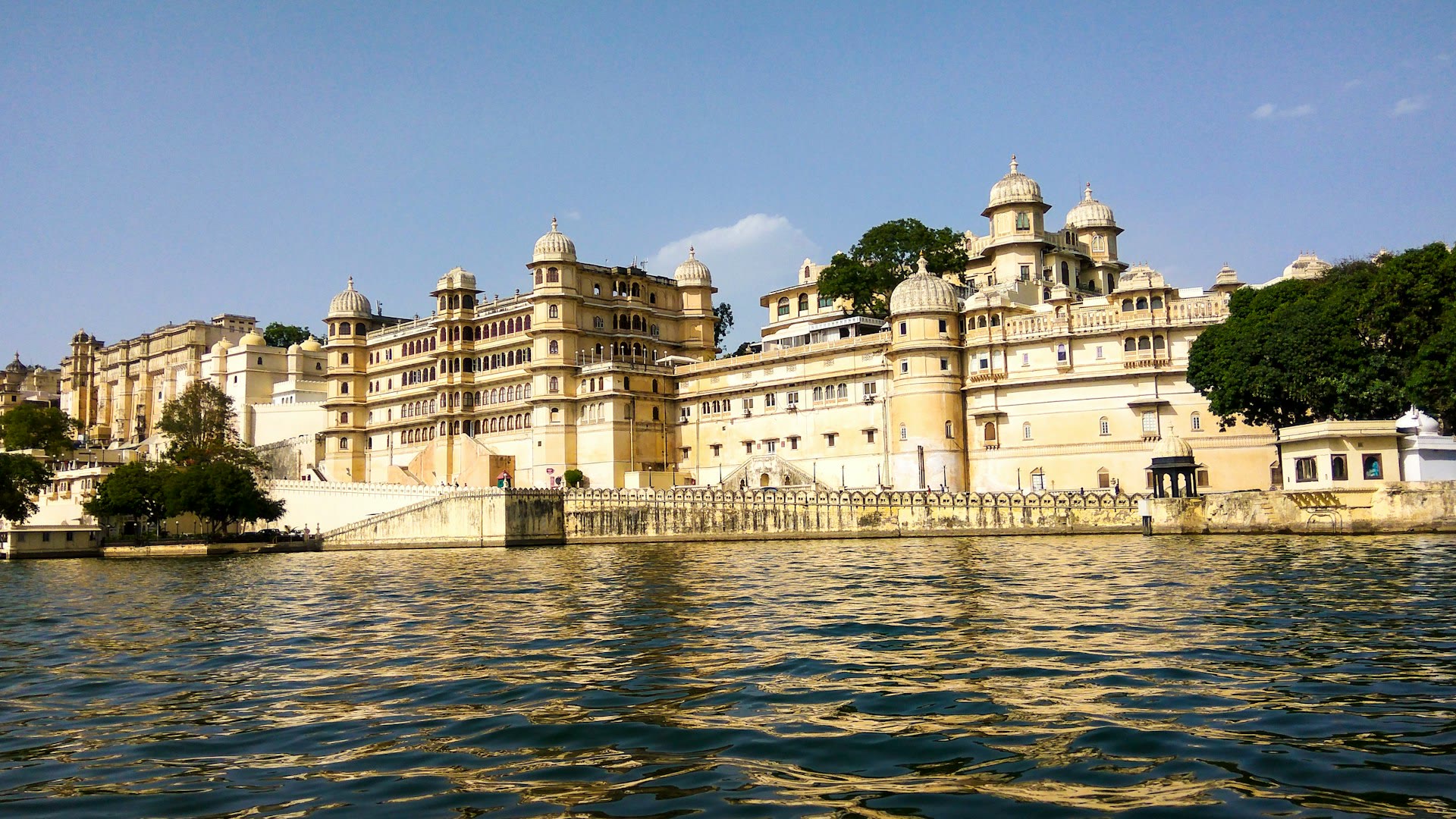
Udaipur City Palace: Exploring Rajasthan's Largest Royal Complex
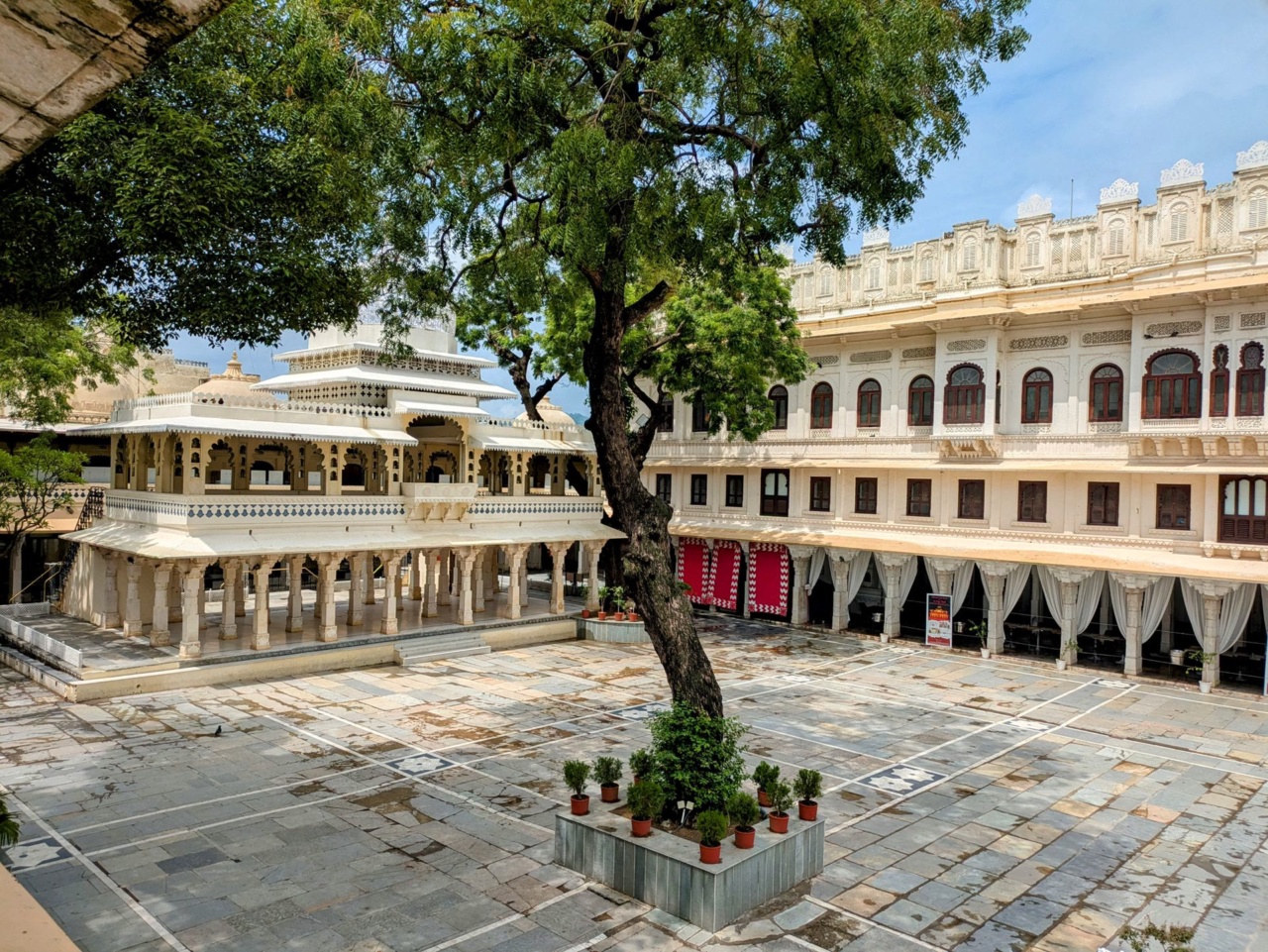
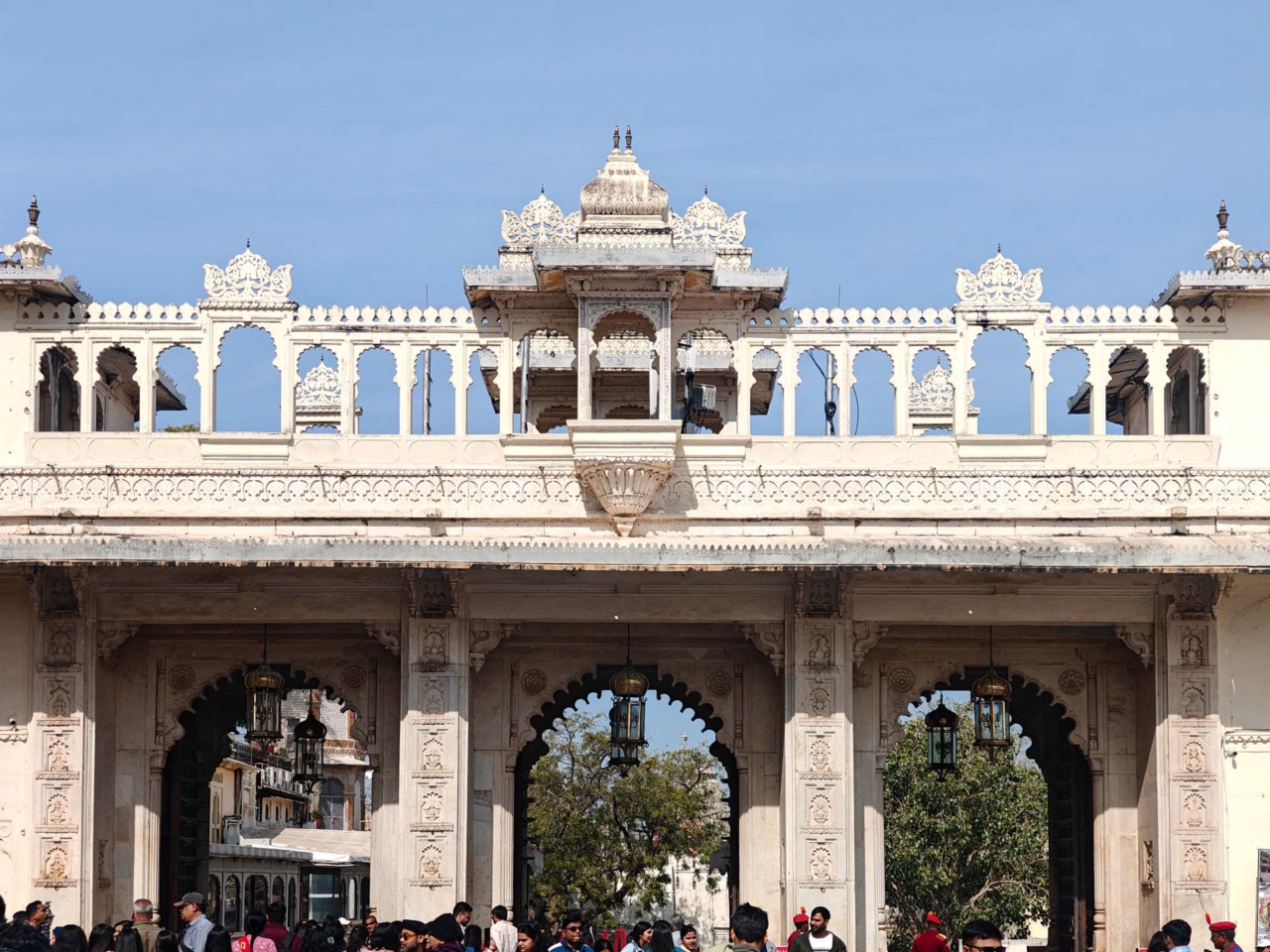
Udaipur's City Palace took nearly 400 years to build. Started by Maharana Udai Singh in 1553, each successive ruler of the Mewar dynasty added wings, courtyards, towers, and gardens, layering century upon century of Rajput architecture into a single sprawling complex. The result is not just the largest palace in Rajasthan - it is a living timeline of royal ambition carved from granite and marble, perched above Lake Pichola with views that have barely changed since the first stones were laid.
What makes City Palace different from India's other royal residences is that it is not a museum frozen in time. Parts of the complex still serve as the residence of the Mewar royal family, while others have been converted into luxury hotels. The sections open to visitors contain an extraordinary collection of art, armor, textiles, and mirrored chambers that reveal how Rajput kings lived, fought, and celebrated across four centuries.
This guide covers what to see inside the palace, how to plan your visit around the various ticket options, and how to combine the palace with a boat ride on the lake that makes the whole setting unforgettable.
What to See Inside City Palace
The palace complex is enormous, covering an area larger than several football fields. It is divided into several interconnected palaces, courtyards, and museums. Here are the highlights worth your time.
The Museum (Main Palace Section)
The City Palace Museum is the core visitor experience and the section covered by your main entry ticket. The route winds through a sequence of rooms and courtyards, each more elaborate than the last. Key highlights include:
- Mor Chowk (Peacock Courtyard) - Three stunning glass mosaic peacocks set into alcoves, each representing a different season. The craftsmanship is extraordinary, with thousands of colored glass pieces creating iridescent feather patterns.
- Sheesh Mahal (Palace of Mirrors) - A chamber entirely covered in mirror work and colored glass that catches and multiplies any light source. Even a single candle flame creates the illusion of a thousand flickering lights.
- Moti Mahal (Pearl Palace) - Decorated with mirror and tile work, this was the hall where the Maharana held private audiences. The acoustics were designed so that whispers at one end could be heard at the other.
- Dilkhush Mahal (Palace of Joy) - Features vibrant wall paintings depicting royal processions, hunts, and festivals. These murals are among the best-preserved examples of Mewar miniature painting at large scale.
- Bhim Vilas - Houses a remarkable collection of miniature paintings from the Mewar school, depicting everything from court scenes to religious narratives.
The museum route takes 1.5 to 2 hours at a comfortable pace. Audio guides are available for an additional fee and add considerable context to rooms that might otherwise blur together.
Crystal Gallery
Housed in the Fateh Prakash Palace wing, the Crystal Gallery contains one of the world's largest private collections of crystal. Maharana Sajjan Singh ordered the entire collection from FC Osler in Birmingham, England, in the 1870s - crystal chairs, tables, beds, sofas, and even a crystal crockery set. The Maharana died before the shipment arrived, and the crates sat unopened for over a century before being displayed. Entry requires a separate ticket at 500 rupees and is well worth it for the sheer absurdity and beauty of the collection.
Vintage and Classic Car Collection
Housed in the former Royal Garage, this collection includes Rolls-Royces, Cadillacs, Mercedes, and other vintage cars once used by the Mewar royals. A 1934 Rolls-Royce convertible and a Cadillac used in the James Bond film Octopussy (which was partly filmed in Udaipur) are the standout pieces. Entry is 330 rupees.
Things to Do
Tickets and Timing
City Palace uses a multi-ticket system that can be confusing. Here is the breakdown:
| Section | Adult Fee | Notes |
|---|---|---|
| Palace compound entry | 50 rupees | Just to enter the outer grounds |
| City Palace Museum | 400 rupees | Main museum route, the essential visit |
| Government Museum | 50 rupees | Separate section with sculptures and inscriptions |
| Crystal Gallery | 500 rupees | Separate wing, worth the extra cost |
| Vintage Car Collection | 330 rupees | Separate building nearby |
Children's tickets are roughly half price. Photography is included in the museum ticket, but tripods are not allowed. If you plan to visit everything, budget around 1,330 rupees for entry fees alone, plus 400 to 700 rupees for a Lake Pichola boat ride.
The palace is open daily from 9:30 AM to 5:30 PM. Arrive as close to opening as possible - the rooms fill up quickly by late morning, making it harder to appreciate the intricate details. The last entry is typically around 4:30 PM.
Lake Pichola and Boat Rides
City Palace would be impressive anywhere, but it is the lake that elevates it to something magical. Lake Pichola stretches below the palace's eastern face, with two island palaces - Jag Mandir and Jag Niwas (now the Taj Lake Palace hotel) - floating on its surface.
Boat Ride Options
Boats depart from the Bansi Ghat jetty at the base of City Palace. Two options are available:
| Ride Type | Adult Fee | Child Fee | Duration |
|---|---|---|---|
| Daytime boat ride | 400 rupees | 200 rupees | 30-45 minutes |
| Sunset boat ride | 700 rupees | 400 rupees | 30-45 minutes |
Both rides circle the lake and pass the Lake Palace and Jag Mandir island. The sunset ride costs more but the golden light on the palace walls and the water is spectacular. Most rides include a stop at Jag Mandir, where you can walk around the island's gardens and small cafe before returning.
Boating operates from 10:00 AM to 5:00 PM for daytime rides. During monsoon season (July-September), water levels may be too high or low for regular service - check at the jetty on the day.
Beyond City Palace: Udaipur's Best Nearby Sights
Udaipur rewards walkers and wanderers. The old city around City Palace is compact enough to explore on foot.
Jagdish Temple
A five-minute walk from City Palace, this 17th-century Vishnu temple features intricate carved pillars and a black stone statue of Vishnu. It is one of Udaipur's most active temples, with prayer ceremonies throughout the day. Free entry.
Bagore Ki Haveli
This restored 18th-century mansion on the waterfront hosts a nightly Rajasthani folk dance and puppet show at 7 PM. Entry is 100 rupees for the haveli during the day, with an additional charge for the evening show. The rooftop offers one of the best views of City Palace illuminated at night.
Sajjangarh (Monsoon Palace)
Perched on a hilltop 5 kilometers west of the city, this 19th-century palace was built as a monsoon retreat and astronomical observation point. The views of Udaipur, the lakes, and the Aravalli Hills at sunset are panoramic. A taxi costs around 300-400 rupees return, or you can ride up by auto-rickshaw for less.
Getting to Udaipur
Udaipur is well connected by air, rail, and road. Maharana Pratap Airport receives direct flights from Delhi, Mumbai, Jaipur, and other major cities. The airport is 22 kilometers from City Palace - a taxi takes about 40 minutes and costs 400-600 rupees.
Trains connect Udaipur to Delhi (12-14 hours), Jaipur (6-8 hours), and Ahmedabad (5-6 hours). Udaipur City railway station is just 3 kilometers from the palace. For travelers exploring Rajasthan by road, Udaipur sits on well-maintained highways connecting it to Jodhpur (5 hours), Jaipur (6 hours), and Mount Abu (3 hours).
Tips for Visiting Udaipur City Palace
- Hire a guide at the gate - Official guides cost 500-800 rupees for the museum tour and transform the experience. Without context, many rooms look similar. A good guide brings the Mewar dynasty's dramatic history to life - betrayals, battles, alliances, and the pride of being the only Rajput kingdom that never submitted to the Mughals.
- Combine palace and boat - Visit the museum in the morning when it is cool and less crowded, then take the sunset boat ride in the late afternoon. The two experiences complement each other perfectly.
- Wear comfortable shoes - The palace involves a lot of walking on stone floors, uneven surfaces, and steep staircases. Sandals work but closed shoes are better.
- Stay in the old city - Guesthouses and hotels in the Lal Ghat and Gangaur Ghat areas put you within walking distance of City Palace and the lake. Many have rooftop restaurants with palace and lake views at a fraction of lakeside hotel prices.
- Visit during Mewar Festival - Held around March or April (dates follow the lunar calendar), this festival celebrates the arrival of spring with processions, cultural performances, and the palace lit up spectacularly at night.
- Best season - October through March is ideal. Summers (April-June) push above 40 degrees Celsius, making outdoor sightseeing exhausting. Monsoon season (July-September) brings lush green hills but occasional flooding around the lake area.
Udaipur consistently ranks among India's most beautiful cities, and City Palace is the reason most travelers come. For more guides to India's palaces, forts, and cultural landmarks, explore GoAsia.cc.
Frequently Asked Questions
The main museum route takes 1.5 to 2 hours at a comfortable pace. Adding the Crystal Gallery, Vintage Car Collection, and a Lake Pichola boat ride extends the visit to 4-5 hours. Most visitors spend a full half-day at the palace and lake combined. Arriving at opening time (9:30 AM) gives you the best experience with fewer crowds.
The main museum entry is 400 rupees for adults. The full experience including compound entry (50 rupees), Crystal Gallery (500 rupees), Vintage Car Collection (330 rupees), and a sunset boat ride (700 rupees) totals around 1,980 rupees per person. Children pay roughly half. A guided tour adds 500-800 rupees split among your group.
From Maharana Pratap Airport (22 km away), a taxi takes about 40 minutes and costs 400-600 rupees. From Udaipur City railway station (3 km away), an auto-rickshaw costs 50-100 rupees and takes 10-15 minutes. The palace is in the heart of the old city, easily walkable from most Lal Ghat and Gangaur Ghat hotels.
Yes, for most visitors it is one of the highlights. The collection of crystal furniture, tableware, and decorative pieces ordered from England in the 1870s is genuinely unique - you will not see anything like it elsewhere in India. The story behind the collection (crates unopened for over a century after the Maharana's death) adds to its fascination.
Arrive at 9:30 AM when the gates open. The museum rooms are quieter, the light through the palace windows is softer, and you avoid the tour groups that arrive from 11 AM onward. Plan the sunset boat ride for late afternoon to see the palace glowing in golden light from the water.
The Lake Palace is a Taj Hotels property and access is restricted to hotel guests and diners with reservations. You cannot visit as a walk-in tourist. However, the Lake Pichola boat ride passes close enough for excellent photographs. Jag Mandir island is accessible via the boat ride and includes a small garden and cafe open to all visitors.
Children generally enjoy the palace, especially the mirror rooms, the vintage car collection, and the boat ride. The museum route involves significant walking on uneven surfaces, so it can be tiring for very young children. Kids under 5 enter free. The Vintage Car Collection tends to be a hit with children of all ages.
Jagdish Temple is a 5-minute walk away and free to enter. Bagore Ki Haveli hosts an excellent Rajasthani folk dance show at 7 PM nightly. Sajjangarh (Monsoon Palace) offers panoramic sunset views from a hilltop 5 km west. The old city lanes around Lal Ghat are perfect for wandering, with rooftop cafes overlooking the lake.