
Contents
- 1. Getting Around Vang Vieng on Foot
- 2. Getting Around Vang Vieng by Bicycle
- 3. Getting Around Vang Vieng by Motorbike or Scooter
- 3.1 Important Safety and Legal Considerations
- 4. Getting Around Vang Vieng by Tuk-Tuk
- 5. Getting Around Vang Vieng by Private Transfer or Van
- 6. Getting Around Vang Vieng by Kayak and Boat
- 7. Getting Around Vang Vieng by Buggy or ATV
- 8. Comparing Your Options
- 9. Practical Tips for Getting Around Vang Vieng
- 10. Popular Routes and Destinations
- 11. Frequently Asked Questions
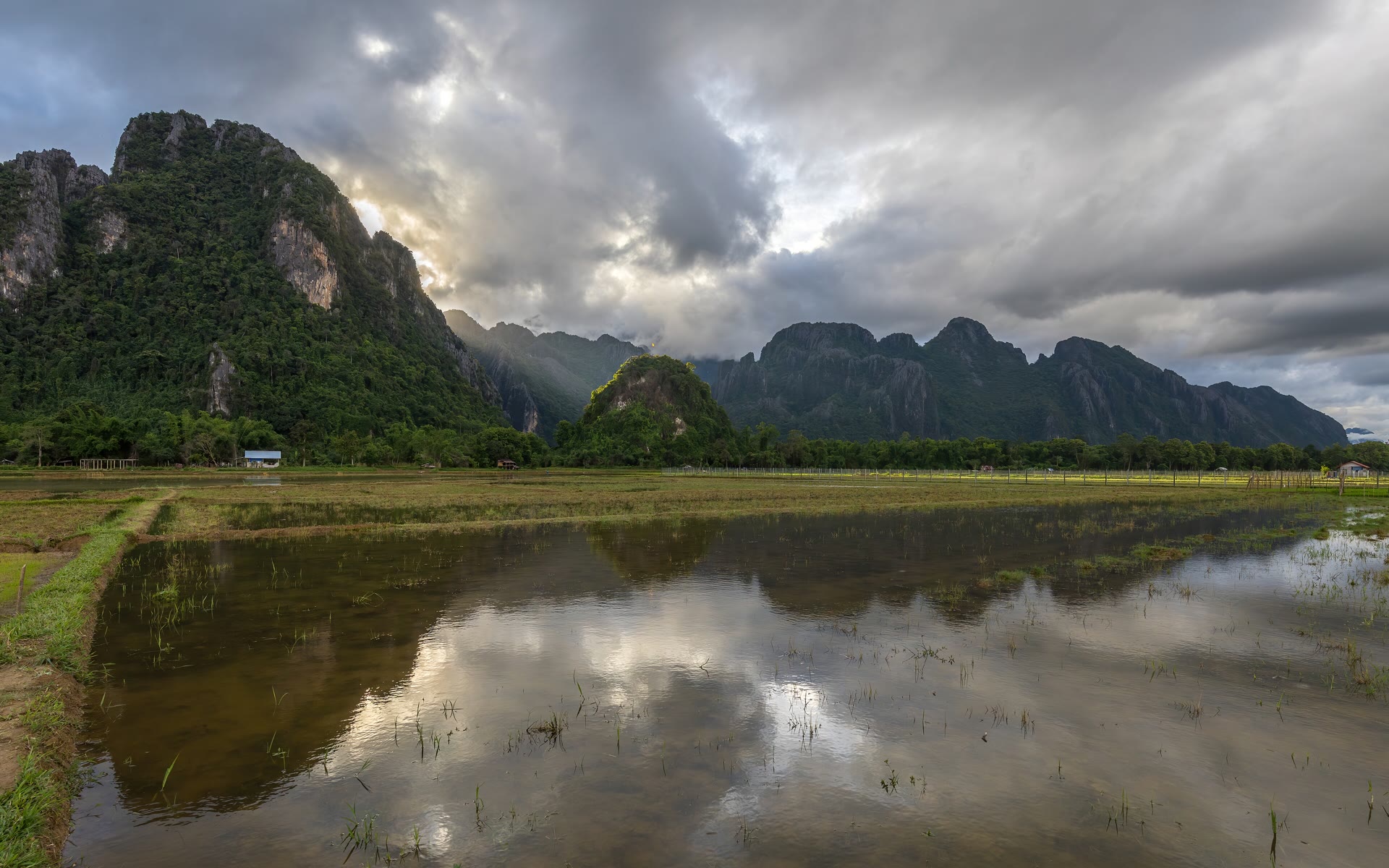
Vang Vieng sits in a narrow valley carved by the Nam Song River, hemmed in by jagged limestone karsts that rise from rice paddies in every direction. The town itself is compact, and most guesthouses, restaurants and tour offices cluster within a few blocks of the riverbank. Step outside and the landscape opens up, with caves, lagoons and viewpoints scattered across the surrounding countryside, some close to town and others a longer ride away on unpaved roads.
This contrast defines how you move around Vang Vieng. Within the town center, your feet are all you need. The Blue Lagoons, caves and viewpoints beyond the town limits require wheels, whether your own rented set or someone else's. Do not count on a public bus system or a ride-hailing app. Transport in Vang Vieng is arranged face to face: you negotiate with a tuk-tuk driver, rent a bicycle from your guesthouse, or rent a motorbike and find your own way.
That simplicity is part of the charm, but a little planning goes a long way. Here is what you need to know about moving around Vang Vieng.
Getting Around Vang Vieng on Foot
Walking is the default mode of transport within Vang Vieng's town center. The main strip, where most restaurants, bars and travel agencies line up, can be covered end to end on foot. Side streets leading to the river or toward the old market are short and flat. If your accommodation is anywhere in the central area, you will rarely need other transport for meals, shopping or nightlife.
The riverside path is pleasant for a stroll at sunset. Carry water, wear a hat and save longer walks for cooler hours. During the rainy season, some unpaved paths near the river can turn muddy and slippery.
Getting Around Vang Vieng by Bicycle
Bicycles are the sweet spot for many travelers in Vang Vieng. They are cheap to rent, need no license and let you explore the countryside at a pace that lets you appreciate the scenery. Many guesthouses and shops along the main road rent simple bicycles. Rental prices vary by shop, so compare a few and agree the price before you ride off.
Bicycles work well for the closer attractions, such as the first Blue Lagoon on a mostly paved road through rice fields. However, some roads turn into rough dirt tracks, especially after rain, and the hills around the more remote lagoons can be punishing on a single-speed bike. If you are not confident on loose gravel or steep inclines, stick to the paved routes or consider a motorbike instead. Always check the brakes and tires before you start.
Bicycle theft is uncommon but not unheard of. Many attractions have informal parking areas where a local watches your bike for a small fee. Use this service rather than leaving your bike unattended.
Getting Around Vang Vieng by Motorbike or Scooter
Renting a motorbike or semi-automatic scooter is the most popular way to explore beyond the town center. It gives you the freedom to reach lagoons, caves and viewpoints at your own pace. Rental shops are everywhere, and prices depend on the bike and the shop. You will usually be asked to leave your passport or a cash deposit. Negotiate this upfront and choose a reputable shop, ideally one recommended by your guesthouse.
Important Safety and Legal Considerations
Check the licensing rules for foreign riders before you rent, and check that your travel insurance covers motorbike riding with your license, because many policies exclude it. Vang Vieng has a history of motorbike accidents among tourists, often involving inexperienced riders on unfamiliar roads, sometimes after drinking. The roads to popular attractions can include loose gravel, potholes, river crossings and wandering livestock. Ride sober, ride slowly and wear the helmet that comes with the rental.
Fuel is sold at petrol stations on the main road and by small roadside shops. Fill up before heading out to remote areas, and carry a charged phone with offline maps, as signage to attractions can be inconsistent.
Getting Around Vang Vieng by Tuk-Tuk
The tuk-tuks in Vang Vieng are converted pickup trucks or three-wheeled vehicles with bench seating. They are the closest thing to a taxi service in town and gather near the old market, the bus station and the main tourist street. Tuk-tuks are the go-to option if you do not want to ride a motorbike yourself or if you travel in a group.
Prices are negotiated in advance, and there are no meters. Drivers often quote per-person rates, which makes tuk-tuks more economical when you share with others, and solo travelers will pay a premium. Some drivers offer half-day or full-day hire for a circuit of several stops. Agree on the itinerary and total price before setting off, and confirm whether entrance fees to attractions are included. Ask your guesthouse what a reasonable fare is for your destination.
Getting Around Vang Vieng by Private Transfer or Van
For longer trips, private transfers and shared vans are available through tour agencies and guesthouses in town. They are mainly used for connections to Vientiane and Luang Prabang, and they are also useful for trailheads or attractions that are too far or too rough for comfortable cycling. For the train from Vientiane or Luang Prabang, see our route guides. Booking through your guesthouse or a reputable agency on the main street is straightforward.
Getting Around Vang Vieng by Kayak and Boat
The Nam Song River is not just scenery; it is a legitimate transport corridor. Kayaking downstream is one of the most iconic Vang Vieng experiences, and while it is primarily recreational, it connects the town to riverside caves, lagoons and villages that are harder to reach by road. Half-day kayak trips organized by tour agencies usually include a drop-off upstream with a paddle back to town. Tubing, the activity Vang Vieng became famous for, follows a similar model: you are driven upstream and float back on an inflated tube, passing riverside bars along the way. Longboats and informal ferry crossings are also available to reach climbing areas and trails on the opposite bank.
Getting Around Vang Vieng by Buggy or ATV
Dune buggies and ATVs are offered by several tour operators along the main strip. They are not everyday transport, but they serve a real purpose for reaching remote caves and viewpoints along tracks that would challenge even a motorbike. While fun, they come with environmental and safety considerations, so choose operators that provide proper safety gear and briefings.
Comparing Your Options
| Mode | How it works | Best For |
|---|---|---|
| Walking | Free | Town center, riverside strolls |
| Bicycle | Rented from guesthouses and shops | Close lagoons, rice field exploration, budget travelers |
| Motorbike/Scooter | Rented from shops, passport or deposit | Full freedom to reach attractions, remote viewpoints |
| Tuk-Tuk | Price negotiated per trip or per person | Groups, non-riders, quick hops to attractions |
| Private Transfer or Van | Booked through agencies and guesthouses | Intercity connections, luggage-heavy travel |
| Kayak/Tube | Organized tours with drop-off upstream | River exploration, reaching riverside caves and bars |
| Buggy/ATV | Guided tours | Remote trails, adventure seekers, rough terrain |
Practical Tips for Getting Around Vang Vieng
Transport here is arranged face to face, through your guesthouse or at one of the tour agencies on the main street. This is part of the charm, but it also means you should carry cash.
- Currency: Most transport is priced in Lao kip, though some tour agencies and transfer services quote in US dollars or Thai baht. Carry small kip notes for tuk-tuks and bicycle rentals, because drivers rarely have change for large bills.
- Offline maps: Download offline maps for the Vang Vieng area before you arrive. Cell signal can be patchy in the countryside, and road signs to attractions are often missing or only in Lao script.
- Crowds: The roads to popular lagoons get busy with tour groups around midday. Head out early or in the late afternoon for a more peaceful experience.
- Rainy season roads: In the rainy season, unpaved roads can become muddy and some river crossings become impassable. Ask locally about current conditions before setting out on a bicycle or motorbike to remote spots.
- Motorbike insurance: Check your travel insurance policy carefully, because many standard policies exclude motorbike riding or require a valid license. Consider additional coverage if you plan to ride.
- Scams to watch for: The most common transport scam is being charged for pre-existing damage on a rented motorbike. Photograph the bike thoroughly before riding off, including close-ups of any scratches, dents or cracked mirrors, and show these photos to the rental staff.
- Language: English is widely spoken in tourist-facing businesses, but tuk-tuk drivers may have limited English. Having your destination written in Lao script or pointed out on a map saves time.
- Night transport: Vang Vieng quiets down at night, and tuk-tuks are scarce after dark. Keep your accommodation central to avoid long walks late at night.
For comparing transport options and planning your routes through Laos, GoAsia.cc can help you weigh costs and travel times across different modes.
Popular Routes and Destinations
Blue Lagoons: The most popular day trip from Vang Vieng. Blue Lagoon 1 is the closest and reachable by bicycle, motorbike or tuk-tuk. Blue Lagoons 2, 3 and 4 are progressively farther and rougher to reach, with the last two best suited to motorbikes or organized tours. Entrance fees at each lagoon are separate from transport costs.
Tham Chang Cave: Just south of the town center, this is an easy walk or a very short tuk-tuk ride along a flat road by the river.
Pha Ngern Viewpoint: Located west of town, the access road is unpaved and steep in places. A motorbike handles it well; a bicycle requires fitness and determination. Tuk-tuks can get you to the base, but the final climb is on foot.
Frequently Asked Questions
Use this guide to compare local transport in Vang Vieng. When bookable tickets are available, the booking tool shows current options and prices.
For the town center, walking is all you need since everything is within a compact area along the river. To explore the surrounding caves, lagoons and viewpoints, renting a motorbike or scooter offers the most freedom. Bicycles work well for closer attractions, while tuk-tuks are ideal for groups or those who prefer not to ride.
Prices are set by rental shops and negotiated with tuk-tuk drivers, so they vary. Ask your guesthouse what a fair price is, compare a few shops and agree the price before you start.
Vang Vieng does not have a formal public transport system. The biggest safety concern is motorbike riding, as roads can be rough, poorly signed and challenging for inexperienced riders. Always wear a helmet, ride sober and check your travel insurance coverage before renting a motorbike.
Do not count on them. Transport is arranged in person, by negotiating with tuk-tuk drivers, renting vehicles from shops or booking through your guesthouse or a tour agency on the main street. Carry cash in small denominations.
The town center is very walkable, with most restaurants, shops and guesthouses clustered within a small area. However, the main attractions such as the Blue Lagoons and caves are outside town and require a bicycle, motorbike or tuk-tuk to reach.
Check the licensing rules for foreign riders before you rent. Many travel insurance policies do not cover motorbike accidents without a valid license, so riding without proper documentation puts you at financial risk if you have an accident.
Guide prices and journey times are indicative, not live quotes. A booked package may include transfers and waiting time as well as the main journey. Check the selected offer, pickup point and current conditions before booking.