Thailand's original beach resort town sits on the Gulf of Thailand just three hours south of Bangkok, blending royal heritage with laid-back seaside charm.
The Thai royal family has been vacationing in Hua Hin since the 1920s, and that legacy still shapes the town's personality. There are no go-go bars lining the main drag, no buckets of cheap cocktails thrust at you from every doorway. Instead you find a long, wind-swept beach backed by seafood restaurants, a night market that locals actually shop at, and a cluster of vineyards in the surrounding hills that nobody expects to find in tropical Thailand.
Hua Hin occupies a sweet spot between accessibility and authenticity. It is close enough to Bangkok for a weekend escape yet far enough from the southern island circuit to attract a different crowd: Thai families on holiday, European retirees who settled here for the golf courses, and travelers who want beach time without the logistical headaches of flights and ferrytransfers. The town itself is compact, walkable in its center, and easy to use as a base for exploring Prachuap Khiri Khan province.
What catches most first-time visitors off guard is the food. Hua Hin punches well above its weight, with a seafood culture driven by the fishing fleet that still docks at the old pier every morning. Night markets here are not tourist theater; they are where locals eat dinner. And because the town caters to long-stay visitors, you will find everything from authentic Thai curry stalls to surprisingly good European bakeries and wine bars.
Orientation and Neighborhoods
Hua Hin stretches along a roughly north-south coastline. The town center clusters around Phetkasem Road (Highway 4), the main artery that runs parallel to the coast about half a kilometer inland. The beach itself runs for several kilometers, with the busiest section near the Hilton and the old fishing pier.
Town Center and Hua Hin Beach
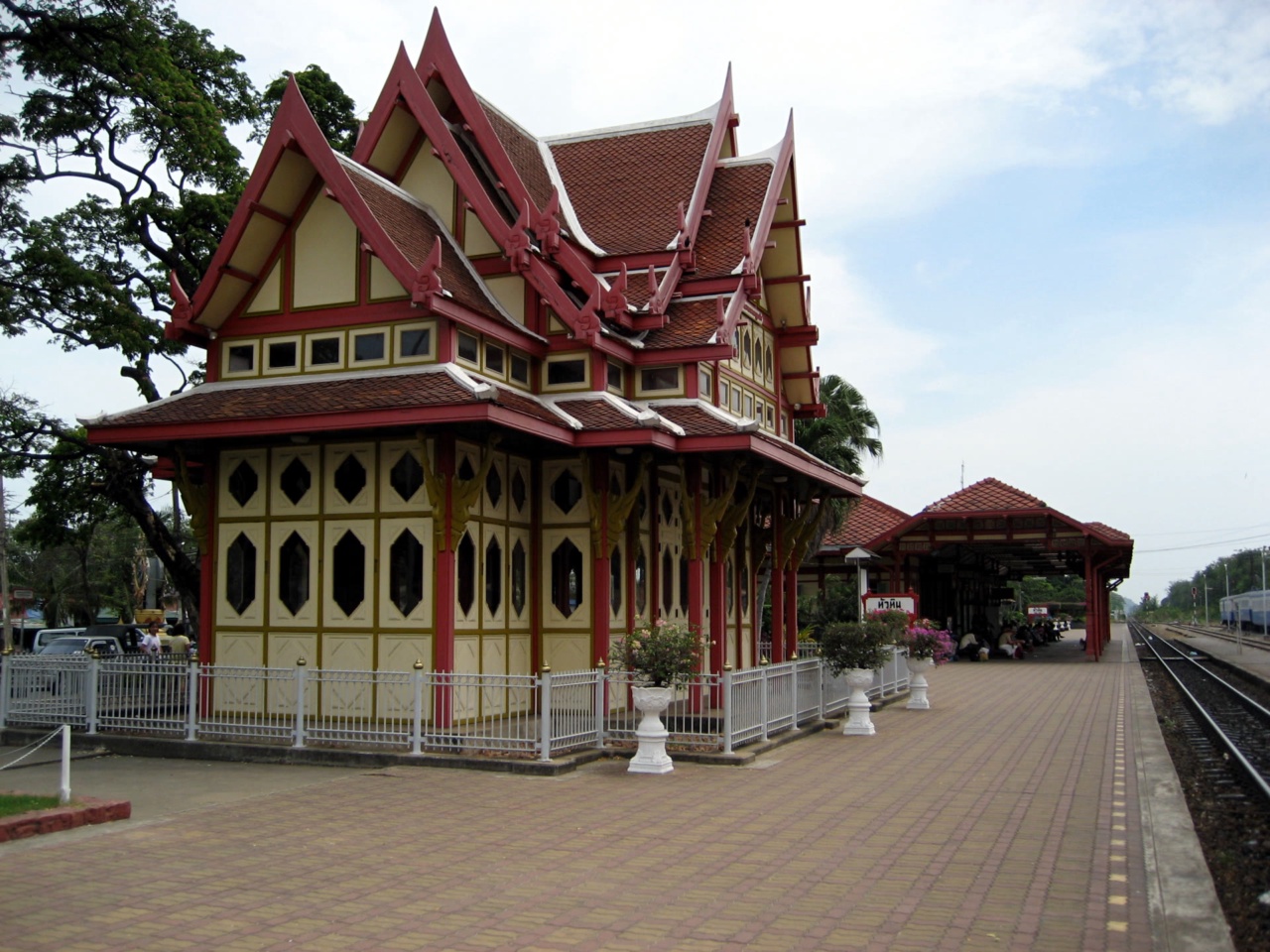
This is where most of the action lives: the night market, the main beach access points, restaurants, and the iconic Hua Hin Railway Station. Staying here puts you within walking distance of food, shopping, and the pier. It suits first-timers and anyone who wants to be able to stroll out the door and find dinner without a motorbike.
About five kilometers south of the center, this quieter stretch of beach sits beneath a hill topped with a temple and a troop of resident monkeys. Hotels here tend to be mid-range to upscale, and the beach is noticeably less crowded. It is a good pick for families and couples who want peace but don't mind a short songthaew ride into town.
North Hua Hin and Cha-Am
Heading north, the coastline transitions into Cha-Am, a beach town popular with Thai weekenders. Large condo developments and all-inclusive resorts line this stretch. It feels more Thai and less international, with fewer Western restaurants but livelier energy on weekends. Budget accommodation is easier to find here.
West of Phetkasem Road
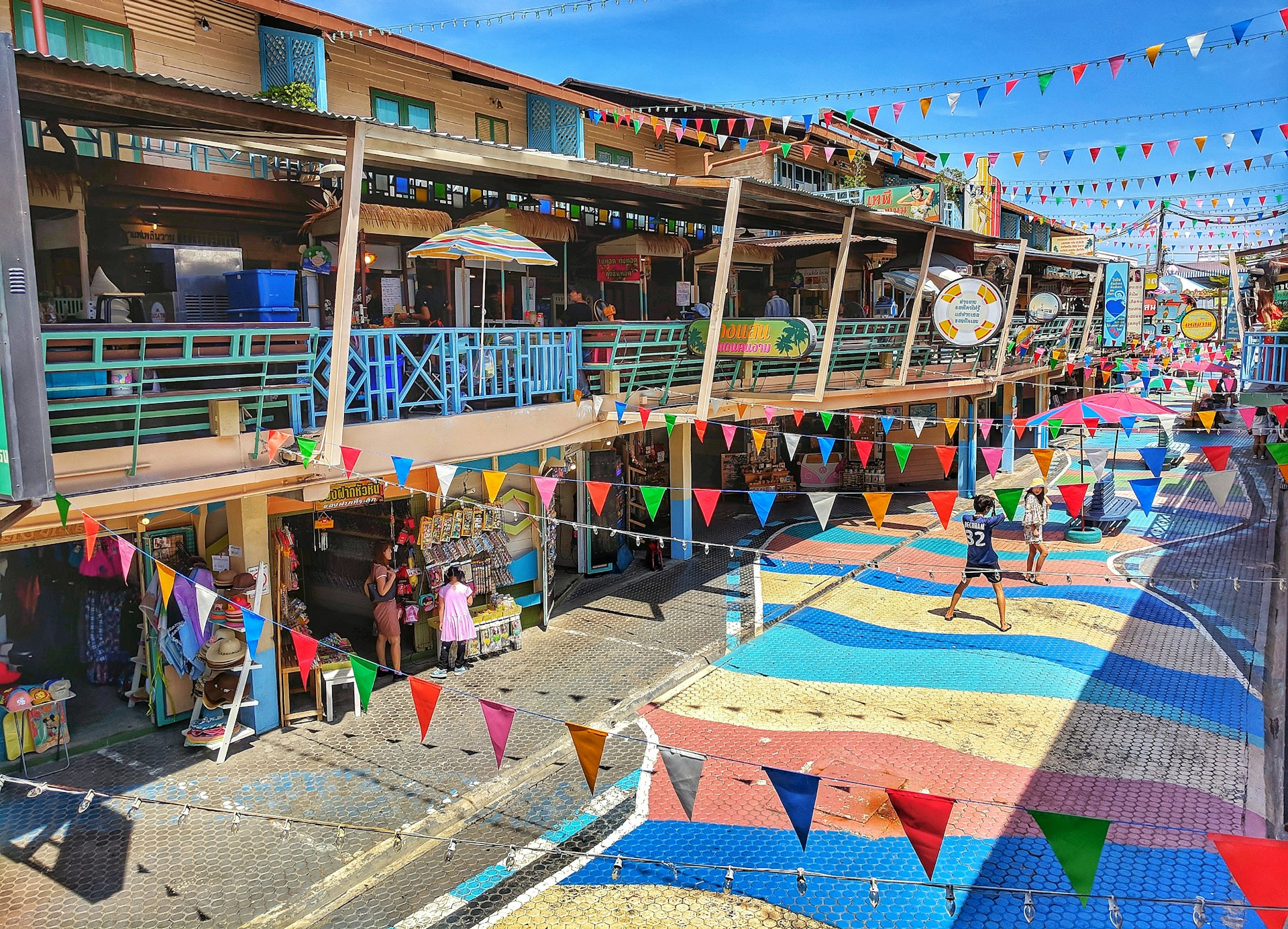
Inland from the main road, you will find local neighborhoods, fresh markets, and the Cicada and Tamarind night markets. This area has a growing number of boutique guesthouses and is where you will stumble on the most authentic local eating.
Things to Do
Offers are only loaded from GetYourGuide after you click. GetYourGuide can then process your IP address and set cookies. Privacy Policy
GetYourGuide partner offers. GoAsia may earn a commission if you book through these offers. Check whether tickets or transfers are included, and follow the attraction's official booking and admission rules.
Best Time to Visit
Hua Hin enjoys a drier climate than much of southern Thailand because it sits in a rain shadow created by the mountains to the west. This means it gets less rainfall than Phuket or Koh Samui during the monsoon months, making it a viable year-round destination.
Season
Months
Weather
Crowds
Prices
Cool and Dry
Nov - Feb
Warm days around 30C, cooler evenings, minimal rain
Intermittent rain, usually short bursts, still plenty of sun
Low
Lower
The cool and dry season from November through February is the most comfortable time to visit. Thai holidays, especially Songkran in mid-April and long weekends, bring a surge of domestic tourists, so book accommodation in advance during those periods. The rainy season is underrated: showers are often brief, hotel rates drop significantly, and the surrounding hills turn lush green.
Check dates for the Hua Hin Jazz Festival if you enjoy live music on the beach; it draws big crowds.
Getting There and Getting Around
Hua Hin does not have a commercial airport, which is part of its charm. Most visitors arrive from Bangkok.
From Bangkok
By car or minivan: The drive takes roughly three hours via Highway 35 and then Highway 4. Minivans depart frequently from Victory Monument and Sai Tai Mai (Southern Bus Terminal) in Bangkok. Expect to pay around $5-8 per person. Private taxis run around $60-80 one way.
By train: Long-distance trains to Hua Hin leave from Krung Thep Aphiwat Central Terminal (Bang Sue Grand), which replaced Hua Lamphong as Bangkok's main long-distance station in January 2023.[1] Special Express No. 43 leaves at 07:30 and reaches Hua Hin's charming colonial-era station at 10:36. Rapid No. 171 (15:10, arriving 18:49) and Special Express No. 37 (16:10, arriving 19:50) are afternoon options.[2] The ride is scenic and unhurried. Check schedules and book tickets through GoAsia.cc for the latest transport options.
By bus: Air-conditioned buses from Bangkok's Southern Terminal cost around $5-7 and take three to four hours depending on traffic.
Getting Around Town
Hua Hin's center is walkable, but to reach Khao Takiab, the night markets south of town, or attractions further afield, you will need wheels. Green songthaews (shared pickup trucks) run along the main road and cost around $0.30-0.50 per ride. Grab works in Hua Hin and is the easiest way to get a fair-price ride; a trip across town typically costs $1-3. Renting a motorbike costs around $6-10 per day and is the most flexible option if you are comfortable riding. Car rentals start around $25 per day.
Top Sights and Experiences
Must-See Attractions
Hua Hin Night Market (Dechanuchit Road): This is the heart of Hua Hin after dark. The narrow street fills with stalls selling grilled seafood, pad thai, mango sticky rice, and cheap clothing. Go hungry, eat your way through, and budget about an hour. It is busiest on weekends but runs nightly.
Khao Takiab (Chopstick Hill): The hilltop temple offers panoramic views of the coastline and the town. The walk up takes about 15 minutes. Watch your belongings around the macaques; they are bold and will grab anything shiny or edible. Free to visit, best in the late afternoon light.
Hua Hin Railway Station: One of the most photographed train stations in Thailand, with its red-and-cream royal waiting room dating to the early twentieth century. It takes just 15 minutes to visit, but it is genuinely charming and still a functioning station.
Cicada Market: Open Friday, Saturday and Sunday from 16:00 to 23:00,[3] this curated night market focuses on art, handmade crafts, live music, and creative food stalls. It is more polished than the Dechanuchit market and worth a visit for the atmosphere alone.
Pala-U Waterfall: About 63 kilometers west of town in Kaeng Krachan National Park, this 11-tiered waterfall is surrounded by dense jungle. The drive takes about an hour and a half. Admission is 300 baht (about $9) for adults.[4] The best time to visit is November to April, when the fall is at its most beautiful.[4]
Hidden Gems
Hua Hin Hills Vineyard (and Monsoon Valley): Yes, Thailand produces wine, and the vineyards outside Hua Hin are the proof. Monsoon Valley offers tastings and tours with views over elephant-dotted hills. The wines are surprisingly drinkable, especially the Colombard and Shiraz.
Rajabhakti Park: A vast park featuring enormous statues of seven Thai kings, this site is deeply meaningful to Thai visitors and offers insight into the country's monarchical history. Located about 15 minutes south of town.
Sam Roi Yot National Park: About an hour south, this coastal park is home to Phraya Nakhon Cave, where a Thai-style pavilion built for a royal visit sits inside a sinkhole illuminated by shafts of sunlight.[5] The hike to the cave takes about 30 minutes and involves some steep steps. Arrive early in the morning when sunlight hits the pavilion directly. Park entry is 200 baht (about $6) for foreign adults.[5]
Overrated Attractions
Hua Hin Beach itself: Honest assessment: the sand is not white, the water is not crystal clear, and vendors can be persistent. It is pleasant for a morning walk or a sunset horseback ride, but do not come to Hua Hin expecting Maldives-level beach aesthetics. The town's appeal lies in everything around the beach.
Santorini Park and Swiss Sheep Farm: These Instagram-bait theme parks outside town are geared entirely toward Thai domestic tourists. Unless you have young children or an ironic sense of humor, skip them. They are overpriced and feel artificial.
Horseback riding on the beach: Iconic in photos, underwhelming in reality. The horses are often tired, the rides are short, and the negotiation process is tedious. If you do it, agree on the price and duration before mounting.
Food and Drink
Hua Hin's food scene revolves around seafood, night markets, and a surprisingly diverse international dining strip. The fishing boats that dock at the pier each morning supply restaurants with squid, prawns, crab, and a rotating catch of the day.
Signature Dishes
Dish
Description
Where to Try
Typical Price
Pla Muek Yang
Grilled squid, often served with a spicy seafood dipping sauce
Night market stalls, beachfront restaurants
$2-5
Kung Ten (Dancing Shrimp)
Live shrimp tossed in lime juice and chili, eaten alive - not for the faint-hearted
Seafood restaurants near the pier
$5-8
Pla Kapong Neung Manao
Steamed sea bass with lime, garlic, and chili - a Gulf of Thailand staple
Any reputable seafood restaurant
$6-12
Khao Kriap Pak Moh
Steamed rice-skin dumplings with sweet radish and pork, a local breakfast favorite
Morning markets
$1-2
Mango Sticky Rice
Sweet sticky rice with ripe mango and coconut cream
Night market dessert stalls
$1.50-2
Where to Eat
Dechanuchit Night Market: The most concentrated eating experience in town. Grab a table at one of the seafood restaurants lining the street, pick your fish from the ice display, and have it cooked to order. A full seafood dinner for two with beer costs around $15-25.
Chatchai Market (Day Market): Best for breakfast and lunch. This covered market near the center sells prepared dishes, fresh fruit, and Thai sweets. Meals cost $1-2.
Soi Bintabaht area: A strip near the Hilton with a mix of Thai and international restaurants. Prices are slightly higher but the quality is consistent. Good for Western comfort food when you need a break from spice.
Cicada Market: Weekend evenings bring creative food vendors selling everything from artisanal ice cream to Japanese-Thai fusion. Expect to pay $3-6 per dish.
Price Ranges
A street food meal costs around $1-3. A sit-down Thai restaurant meal runs $4-8 per person. Mid-range international dining averages $10-20. Upscale beachfront seafood dinners can reach $30-50 per person with drinks. Beer at a bar costs around $2-4 for a large bottle of local brew.
Where to Stay
Budget (Under $25 per night)
Guesthouses and hostels cluster along the streets behind the main beach and near Phetkasem Road. Rooms are basic but clean, often with air conditioning and Wi-Fi. The area around the night market has the densest concentration of budget options. Cha-Am also offers cheaper rooms, especially during the week.
Mid-Range ($25-80 per night)
This is Hua Hin's sweet spot. Boutique hotels and serviced apartments offer pools, breakfast, and good locations for $40-60 per night. The Khao Takiab area has several mid-range resorts with direct beach access. Many properties in this range include kitchenettes, which is useful for longer stays.
Upscale ($80-250+ per night)
Hua Hin has a strong luxury hotel scene. International chains and Thai boutique resorts line the beachfront, many with private beach areas, spas, and multiple restaurants. The area between the town center and Khao Takiab has the highest concentration of luxury properties. Expect to pay $100-200 for a well-regarded resort with pool villas starting higher.
A unique option in Hua Hin is renting a condo. The town has a large stock of vacation condominiums, many with pools and sea views, available on short-term rental platforms. A one-bedroom condo with a pool typically costs $30-60 per night and offers far more space than a hotel room at the same price.
Practical Tips
Safety: Hua Hin is one of Thailand's safest tourist towns. Violent crime against visitors is extremely rare. The main hazards are motorbike accidents (wear a helmet, always), sunburn, and the occasional jellyfish sting during certain months. Watch your belongings around the monkeys at Khao Takiab.
Scams: Jet ski scam operators may try to charge you for pre-existing damage. Inspect any rented equipment carefully and photograph it before use. Tuk-tuk drivers sometimes quote inflated prices; use Grab for transparent pricing.
Payment: Cash is king for markets, street food, and small shops. Most hotels and larger restaurants accept credit cards. ATMs are plentiful but charge a roughly $5-6 fee per withdrawal for foreign cards. Bring a card with no foreign transaction fees if possible.
Tipping: Not expected at street stalls. At sit-down restaurants, rounding up the bill or leaving 10% is appreciated but not mandatory. Hotel staff appreciate small tips of $1-2.
SIM cards: Pick up a tourist SIM at any 7-Eleven or phone shop. AIS, DTAC, and TrueMove all offer data packages. Expect to pay around $5-10 for a week of generous data. 7-Elevens are everywhere and can top up credit.
Language: English is spoken at hotels, larger restaurants, and tourist-facing businesses. At markets and local eateries, English is limited. Learn basic Thai phrases: "sawasdee" (hello), "khop khun" (thank you), and "pet nit noi" (a little spicy). Pointing at menu pictures works well.
Cultural etiquette: Dress modestly when visiting temples (cover shoulders and knees). Remove shoes before entering temples and homes. The Thai royal family is deeply revered; avoid any disrespectful comments about the monarchy, as lese-majeste laws carry severe penalties. Do not touch anyone's head, and do not point your feet at people or Buddha images.
Water: Do not drink tap water. Bottled water costs around $0.20-0.30 and is available everywhere. Ice in restaurants and market stalls is generally made from purified water and is safe.
Day Trips
Phraya Nakhon Cave at Sam Roi Yot
The single best day trip from Hua Hin. Drive about an hour south to Sam Roi Yot National Park, then take a boat or hike over the headland to reach the cave. Inside, a Thai-style royal pavilion sits in a sinkhole, bathed in natural light around mid-morning. Budget half a day. The hike is moderately strenuous with steep stairs.
Kaeng Krachan National Park
Kaeng Krachan National Park lies about 63 kilometers west. Dense jungle, waterfalls, and excellent birdwatching make it worth a full day. Pala-U Waterfall is the most accessible attraction. Serious hikers can arrange multi-day treks. A rented car or hired driver is the easiest way to get here; expect to pay around $40-50 for a driver for the day.
Pranburi
Just 30 minutes south, this quieter coastal area has mangrove forests, a beautiful estuary, and a growing boutique hotel scene. The Pranburi Forest Park has boardwalks through mangroves and is free to visit. It makes a relaxing half-day escape from Hua Hin.
Phetchaburi (Phetburi)
An hour north, this historic town is home to Khao Wang, a hilltop palace complex with panoramic views, and Tham Khao Luang, a cave temple where sunlight streams through a hole in the ceiling onto Buddha statues. Phetchaburi also has a thriving local dessert culture. Easily reached by minivan or train. Budget a full day.
Cha-Am
Only 25 minutes north, Cha-Am is a Thai beach town that feels distinctly different from Hua Hin. The beach is wider and backed by casuarina trees. Seafood restaurants here cater to Thai families and prices are lower. It is worth a visit for lunch and a walk but does not require a full day.
Sample 3-Day Itinerary
Day 1: Town Center and Night Market
Morning: Arrive in Hua Hin, check in, and walk to Chatchai Market for a late breakfast of Thai sweets and fresh fruit. Stroll past the Hua Hin Railway Station for photos.
Afternoon: Head to the main beach for a swim or a walk. Grab a cold drink at one of the beachfront bars and watch the fishing boats come in. If you want a spa treatment, many affordable options line the streets near the beach.
Evening: Spend the evening at the Dechanuchit Night Market. Choose a seafood restaurant, pick your fish from the display, and pair it with a cold Singha. Walk the market stalls for dessert and cheap souvenirs.
Day 2: Khao Takiab, Vineyard, and Cicada Market
Morning: Take a songthaew or Grab to Khao Takiab. Climb the hill to the temple for coastal views, then walk the quieter beach below. Watch out for the monkeys.
Afternoon: Hire a driver or ride a motorbike to Hua Hin Hills Vineyard (Monsoon Valley) for a tasting and lunch with a view. The drive takes about 45 minutes each way through scenic countryside.
Evening: If it is Friday, Saturday, or Sunday, spend the evening at Cicada Market for art, live music, and creative food. Otherwise, explore the Soi Bintabaht restaurant area for a sit-down dinner.
Day 3: Phraya Nakhon Cave Day Trip
Morning: Leave early (by 7:00 AM) and drive to Sam Roi Yot National Park. Take the boat to Phraya Nakhon Cave and aim to be inside by 9:30-10:00 AM for the best light on the pavilion. The hike and cave exploration take about two hours.
Afternoon: On the way back, stop in Pranburi for lunch at a seafood restaurant along the coast or visit the mangrove boardwalk at Pranburi Forest Park.
Evening: Return to Hua Hin for a final sunset walk on the beach. Have dinner at a beachfront restaurant, savoring steamed sea bass with lime as a farewell meal.
Budget Overview
Category
Budget
Mid-Range
Comfort
Accommodation
$10-20
$35-60
$80-150
Food
$8-12
$15-25
$30-50
Transport
$3-5
$8-15
$15-30
Activities
$5-10
$10-20
$20-40
Daily Total
$26-47
$68-120
$145-270
Hua Hin offers excellent value at every budget level. Budget travelers can eat extremely well on street food and night market meals while staying in clean guesthouses. Mid-range visitors will find that $80-100 per day covers a comfortable hotel with a pool, good restaurant meals, and a day trip. At the comfort level, luxury resorts with spas, vineyard visits, and private drivers make Hua Hin feel like a premium destination at a fraction of what comparable experiences cost in Europe or the islands.
Frequently Asked Questions
Is Hua Hin worth visiting?
Absolutely. Hua Hin is ideal if you want a relaxed Thai beach town with excellent food, cultural sights, and easy access from Bangkok without the party scene of the islands. It is particularly good for couples, families, and travelers who appreciate night markets, seafood, and day trips to national parks over nightlife.
How many days do you need in Hua Hin?
Three days is the sweet spot for covering the town center, night markets, Khao Takiab, and a day trip to Phraya Nakhon Cave or Kaeng Krachan. If you want to add vineyard visits, spa days, or explore Phetchaburi, four to five days is comfortable. Weekend visitors from Bangkok often come for two days and leave satisfied.
Is Hua Hin safe for tourists?
Hua Hin is one of the safest tourist destinations in Thailand. Violent crime is very rare. The main risks are motorbike accidents and minor scams like inflated tuk-tuk prices or jet ski damage claims. Use common sense, wear a helmet if riding, and use Grab for transparent transport pricing.
What food is Hua Hin famous for?
Hua Hin is renowned for fresh seafood, especially grilled squid (pla muek yang), steamed sea bass with lime (pla kapong neung manao), and dancing shrimp (kung ten). The Dechanuchit Night Market and Chatchai Day Market are the best places to sample local specialties at low prices.
How do I get from Bangkok to Hua Hin?
The most popular options are minivans from Victory Monument or the Southern Bus Terminal (around $5-8, three hours), trains from Krung Thep Aphiwat Central Terminal (about three to four hours), or private taxis ($60-80). There is no commercial airport in Hua Hin, so all arrivals are by road or rail.
Is Hua Hin expensive?
Hua Hin is very affordable by international standards. Budget travelers can manage on $30-45 per day including accommodation and meals. Mid-range visitors spending $80-120 per day will enjoy comfortable hotels, good restaurants, and activities. It is generally cheaper than Phuket or Koh Samui.
Can you drink tap water in Hua Hin?
No, do not drink tap water in Hua Hin or anywhere in Thailand. Bottled water is cheap and available everywhere, costing around $0.20-0.30. Ice in restaurants is generally safe as it is produced from purified water.
Is Hua Hin good for families?
Hua Hin is one of the best family-friendly destinations in Thailand. The beaches are calm, the town is safe and easy to navigate, and there are plenty of kid-friendly activities including waterparks, night markets, and nature excursions. Many hotels offer family rooms and pools, and the food scene caters to all palates.
What is the best time to visit Hua Hin?
November through February offers the most comfortable weather with warm days, cooler evenings, and minimal rain. The rainy season from June to October brings lower prices and fewer crowds, with showers that are usually brief. Avoid major Thai holiday weekends if you dislike crowds, as domestic tourists flock to Hua Hin.
What should I avoid in Hua Hin?
Skip the Instagram-bait theme parks like Santorini Park and Swiss Sheep Farm unless you have young children. Be cautious with jet ski rentals, as damage scams are a known issue. Avoid riding motorbikes without a helmet or experience, and do not expect a pristine white-sand beach since Hua Hin's shore is pleasant but not postcard-perfect.
Sources and background
Numbers in the text such as [1] refer to these sources.