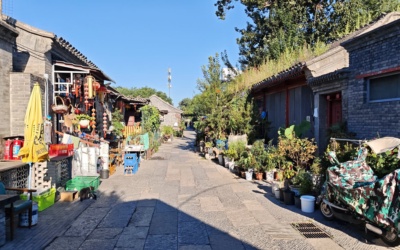
Step through one of Pingyao's six gates and the centuries fall away. Inside the four-kilometer rampart sits a complete Ming and Qing dynasty town: grey brick lanes, timber-framed shopfronts with carved eaves, courtyard homes, and the headquarters of the banks that once moved silver across imperial China. Unlike most Chinese old towns, which survive only as scattered fragments, Pingyao kept its entire urban fabric intact, and that completeness is exactly why UNESCO inscribed it as a World Heritage site.
Located in central Shanxi province, Pingyao is best understood as a living museum of Chinese commerce. In the nineteenth century this small town was a financial capital, home to the country's first draft banks, known as piaohao, which let merchants transfer money over vast distances without hauling silver. The wealth those institutions generated paid for the temples, guildhalls, and grand merchant residences you can still walk into today.
For independent travelers, Pingyao rewards a slower pace. It is compact enough to explore entirely on foot, atmospheric at night when the day-trip crowds thin out, and close enough to a high-speed rail line to slot into a wider Shanxi or Beijing-to-Xian itinerary. This guide covers how to reach it, what the ticket actually buys you, where to focus your time, and the honest tradeoffs of visiting a town that has leaned hard into tourism.
What Pingyao Is and Why It Matters
Pingyao Ancient City is a fully walled town whose street plan, defensive walls, and built environment date largely from the Ming and Qing dynasties, with origins going back far earlier. The walls were rebuilt in their current form in the late fourteenth century, and the grid of streets inside follows a traditional layout organized around a central axis and a network of lanes.
Its historical significance rests on two pillars. First, the architecture: this is one of the most complete surviving examples of a traditional Han Chinese city, preserving residential, commercial, and religious buildings in their original spatial relationships. Second, the financial history: Pingyao was the cradle of China's draft banking system. At its peak the town hosted numerous piaohao whose branches reached across the empire and into trading hubs abroad. The most famous, Rishengchang, is often described as China's first bank and is now open as a museum.
That combination, an intact medieval-style townscape plus a concentrated story about money, merchants, and movement, is what makes Pingyao distinctive. You are not just looking at pretty buildings. You are walking through the physical infrastructure of an early financial network.
Things to Do
How to Get to Pingyao
Pingyao sits in Shanxi province, with the provincial capital Taiyuan as the main gateway to the north. Most international travelers arrive by train, and there are two rail options that matter.
By high-speed train
High-speed services stop at Pingyao Gucheng station, which sits a short distance outside the old city. From major hubs the high-speed network connects Pingyao with Taiyuan in well under an hour, and direct or connecting high-speed services link the area to Beijing and Xian. High-speed rail is the fastest and most comfortable way in, and it makes Pingyao realistic as a stop between Beijing and Xian rather than a dead-end detour. Verify current schedules and station names when you book, since Pingyao has more than one station.
By conventional train
The older Pingyao railway station handles slower conventional trains and is closer to the old city walls, often within walking distance or a very short ride. Slower trains take longer but can be cheaper and sometimes run overnight from distant cities. If you arrive on a sleeper, you reach Pingyao early and gain a near-empty morning in the lanes.
From the station to the walls
From either station, taxis, ride-hailing, and short shuttle or pedicab rides reach the gates quickly. Note that motor traffic is heavily restricted inside the walled core, so you will typically be dropped near a gate and continue on foot. Pack light or use luggage with wheels that can handle stone and brick paving.
The Pingyao Ticket System Explained
Pingyao uses a combined-attraction ticket model that often confuses first-time visitors. Entering the old town itself and walking the main streets is generally free. What you pay for is access to a bundle of ticketed sites: the city wall, the major banks and merchant museums, temples, guildhalls, and historic government offices.
The combined ticket is usually valid for a few days and covers a long list of individual courtyards and museums on a single pass. This structure is efficient if you plan to visit many sites, because buying entries one by one would cost more and waste time. It is less appealing if you only want to wander the streets and climb the wall, in which case you may feel you are paying for attractions you skip.
Because pricing, validity periods, and the exact list of included sites can change, confirm the current ticket price, how many days it covers, and whether your passport is needed for purchase or entry before you go. Bring your passport regardless, as identity documents are commonly required for ticketing and accommodation in China.
Walking the City Wall
The Pingyao city wall is the single most rewarding ticketed experience and the best way to grasp the town's scale and design. The rampart runs roughly six kilometers around the old city, punctuated by watchtowers and pierced by six gates. The layout is sometimes likened to a tortoise, an auspicious symbol of longevity, with the gates representing the head, tail, and legs.
From up top you get a continuous overview of grey-tiled rooftops, courtyard layouts, and the surrounding modern town beyond the walls. The full circuit takes a couple of hours at a relaxed pace, though you can do a shorter section and descend at a different gate. Early morning offers soft light, fewer people, and cooler temperatures in summer.
The wall surface is exposed, so there is little shade. In summer it gets hot, and in winter the wind can be biting. Wear sun protection or layers accordingly, and watch your footing on the older stone and brick.
The Banks, Courtyards, and Museums
The ticketed interiors are where Pingyao's story comes alive. A handful are worth prioritizing even if you have limited time.
Rishengchang, the first draft bank
Often credited as China's pioneering piaohao, Rishengchang is now a museum showing how the draft banking system worked: how transfer notes were issued, how branches communicated, and how the firm guarded against forgery. The courtyards, counting rooms, and strongroom areas give a concrete sense of a nineteenth-century financial operation.
Other banks and exchange houses
Several more former banks and exchange houses are open along the main commercial streets. Visiting two or three is plenty to understand the pattern without repetition. They share a similar courtyard structure, so pick the best-preserved or best-interpreted rather than trying to see them all.
Merchant residences and guildhalls
Wealthy merchant family compounds reveal domestic life: multiple courtyards arranged by hierarchy, carved screens, sleeping platforms, and decorative detailing that signaled status. Guildhalls and temples round out the picture of a town organized around trade and the rituals that supported it.
The county government office and watchtower
The historic yamen, or county administrative office, is one of the larger complexes and shows how imperial bureaucracy functioned at the local level. Watchtowers and the central market street tie the layout together. Together these sites let you reconstruct how administration, commerce, and daily life shared one walled space.
Staying Inside the Walls
One of Pingyao's best decisions for a visitor is to sleep inside the old city. Many courtyard homes have been converted into guesthouses and boutique hotels, often built around traditional layouts with rooms opening onto a central court. Some feature the heated brick kang sleeping platforms typical of northern China, which are a memorable experience in cold months.
Staying inside means you are present for the two best times of day: early morning before the tour groups arrive, and evening after they leave. The atmosphere shifts completely. Lanterns light the lanes, the main streets glow, and the town feels quieter and more cinematic than it does at midday.
The tradeoffs are real. Heritage courtyard rooms can be small, soundproofing between rooms is sometimes poor, and bathrooms in older conversions vary in quality. Heating and air conditioning may be limited depending on the property and season. Read recent reviews, confirm whether the place accepts foreign guests, and check exactly which gate it is near so you can plan your luggage approach. Because motor access is restricted, you may need to walk the final stretch.
Pingyao at Night
After dark, Pingyao trades historical study for atmosphere. The main streets are strung with red lanterns, shops and snack stalls stay open, and the wall and gate towers are often illuminated. Walking the quieter side lanes away from the busiest commercial strip gives you the town at its most evocative.
Local Shanxi food is part of the appeal. The region is known for its vinegar and for a wide variety of noodle and pasta-like dishes, plus hearty regional snacks. Eating where locals eat, off the main tourist drag, generally yields better food and fairer prices. As with any heavily touristed town, the central street can feel commercialized, so wander outward to find calmer corners.
How Much Time to Spend
Pingyao works on several timeframes, and matching your visit length to your interest level avoids both rushing and boredom.
| Time available | What you can realistically do |
|---|---|
| Half day | Walk the main streets, climb one section of the wall, see one bank museum. Enough for a taste, but you miss the night atmosphere. |
| One full day plus a night | Wall circuit, three or four ticketed sites including Rishengchang and a merchant residence, plus evening lanes. The sweet spot for most travelers. |
| Two days | Add more courtyards and museums, slower exploration of back lanes, and optional day trips to nearby sites in Shanxi. Good for history-minded travelers. |
For most independent travelers, one full day with an overnight inside the walls delivers the best balance. You see the headline sites without museum fatigue and experience the town in its calmer hours.
Best Time to Visit
Shanxi has a continental climate with hot summers and cold, dry winters. Spring and autumn are generally the most comfortable seasons for walking the wall and exploring on foot, with milder temperatures and lower humidity. Summer brings heat and stronger sun, which is felt acutely on the exposed wall. Winter is cold and can be harsh, though a snow-dusted Pingyao with steaming food stalls has its own charm if you dress for it.
Crowds peak during major Chinese public holidays, when domestic tourism surges and the main streets become congested. If your dates are flexible, avoid national holiday periods. On any normal day, the morning and evening windows remain the least crowded regardless of season.
Practical Tips for Visiting Pingyao
- Bring your passport everywhere. It is commonly required for buying attraction tickets, checking into accommodation, and sometimes for train station entry. Keep it accessible.
- Set up mobile payment in advance. Cash is increasingly awkward in China, and many vendors expect mobile payment apps. Arrange a working payment method before you arrive, since fixing it on the spot is harder.
- Buy the combined ticket if you want the interiors. If you intend to visit several banks, museums, and the wall, the combined pass is the sensible choice. If you only want to wander and eat, you may not need it at all.
- Plan your luggage approach. Vehicle access inside the walls is restricted. Confirm your guesthouse's nearest gate and be ready to walk or use a permitted small vehicle for the last stretch over uneven paving.
- Wear sturdy, comfortable shoes. The streets and wall are stone and brick, often uneven and occasionally slick. Smooth-soled shoes are a poor choice.
- Eat off the main street. The central commercial strip is convenient but pricier and busier. Side lanes and the modern town outside the walls offer better Shanxi food at local prices.
- Time your wall walk for early or late. Midday on the exposed rampart is hot and crowded in peak season. Morning light is best for photos and comfort.
- Verify operational details before you go. Ticket prices, validity periods, site opening hours, and which station serves high-speed trains can change. Confirm them close to your travel date.
Honest Downsides to Expect
Pingyao is genuinely remarkable, but it is not a hidden gem, and a clear-eyed visitor should know the tradeoffs. The main commercial streets are heavily geared toward tourism, with souvenir shops, snack vendors, and similar storefronts repeating along the route. The town can feel crowded and commercialized at midday, particularly during holidays.
The ticketed sites, while individually interesting, can blur together if you try to see too many, since several banks and courtyards follow comparable layouts. Curate rather than completing the full list. Accommodation in heritage courtyards is atmospheric but variable in comfort, and northern China's seasonal extremes mean the experience changes a lot with the weather.
None of this undermines the visit. It simply means Pingyao rewards travelers who manage their timing, stay overnight, and explore beyond the busiest strip rather than treating it as a quick photo stop.
Fitting Pingyao Into a Wider Trip
Pingyao pairs naturally with Taiyuan to the north, which functions as the regional transport hub and offers onward high-speed connections. Shanxi as a whole holds significant cultural sites, and history-focused travelers often combine Pingyao with other heritage destinations in the province across a multi-day loop.
On a broader China itinerary, Pingyao slots neatly between Beijing and Xian, breaking up a long journey with a distinctive overnight stop rather than another big city. For continued route planning across Shanxi and the rest of the country, GoAsia.cc is a useful resource to map out connections and decide how Pingyao fits your timeline.
Whatever shape your trip takes, give Pingyao at least one overnight. The town that built China's banks earns its reputation most convincingly in the quiet hours, when the day-trippers have gone and the walls glow above empty lanes.
Frequently Asked Questions
One full day with an overnight inside the walls is the sweet spot for most travelers. That gives you time for the wall walk, three or four ticketed sites, and the atmospheric early morning and evening when day-trippers are gone. History enthusiasts can comfortably fill a second day.
Walking the main streets of the old town is generally free. The combined ticket covers a bundle of attractions including the city wall, the banks, merchant residences, temples, and the county office. It is worth buying if you plan to visit several interiors, but less useful if you only want to wander and climb the wall. Confirm the current price and validity before you go.
Most travelers arrive by train. High-speed services stop at Pingyao Gucheng station a short distance from the old city, connecting quickly to Taiyuan and onward to Beijing and Xian. Slower conventional trains use the older Pingyao station closer to the walls. From either station, a short taxi or pedicab ride reaches the gates, after which you continue on foot since vehicle access inside is restricted.
Yes, and it is recommended. Many traditional courtyard homes have been converted into guesthouses and boutique hotels, some with heated brick kang platforms. Staying inside lets you enjoy the quiet morning and lantern-lit evening hours. Confirm the property accepts foreign guests, check recent reviews for comfort, and note the nearest gate for your luggage approach.
Spring and autumn offer the most comfortable walking weather with mild temperatures and low humidity. Summer is hot, which is felt strongly on the exposed wall, and winter is cold and dry. Avoid major Chinese public holidays when domestic crowds peak. On any day, morning and evening are the calmest times.
The main commercial streets are heavily geared toward tourism and can feel crowded at midday, but the town's complete walled townscape and banking history remain genuinely impressive. Staying overnight, exploring side lanes away from the central strip, and timing your wall walk for early or late hours preserve the experience. Curate which museums you visit rather than trying to see them all.
Shanxi is famous for its vinegar and a wide range of noodle and pasta-like dishes, along with hearty regional snacks. For better quality and fairer prices, eat in the side lanes or the modern town outside the walls rather than on the busiest central street. Mobile payment is widely expected, so set up a working payment method before arriving.