Nara Park and Tōdai-ji: deer, tickets and a practical route
Photo: karl sune / Pexels
Contents
- 1. Choose the sights that matter to you
- 2. Meet the deer safely
- 3. What to see at Tōdai-ji
- 4. Separate tickets and a realistic budget
- 5. Opening hours for the actual attraction
- 6. Choose the right station and stop
- 7. Adding Kasugataisha
- 8. Build a flexible walking route
- 9. Photography, belongings and park rules
- 10. Sources and background
- 11. Frequently Asked Questions
Choose the sights that matter to you
Nara Park is a broad sightseeing area, not a single attraction with one ticket. Decide whether you want to watch the deer, step inside Tōdai-ji's Great Buddha Hall or walk on to Kasugataisha. Strolling the park costs nothing, while the halls, museums and gardens each charge their own admission.
Set aside three to four hours for the Great Buddha Hall, some time with the deer, walking and breaks. Add more if you also want Kasugataisha or a museum, and with limited time pick one paid sight rather than rushing through all of them. Check each opening window before you fix the order.
Things to Do
Offers are only loaded from GetYourGuide after you click. GetYourGuide can then process your IP address and set cookies. Privacy Policy
GetYourGuide partner offers. GoAsia may earn a commission if you book through these offers. Check whether tickets or transfers are included, and follow the attraction's official booking and admission rules.
Meet the deer safely
The deer look tame, but they are wild animals. They can charge, bite, kick or gore with their antlers, so do not touch them casually, chase them or let children approach alone. Hinds guarding their young in spring and stags in the autumn rut are especially aggressive.[1]
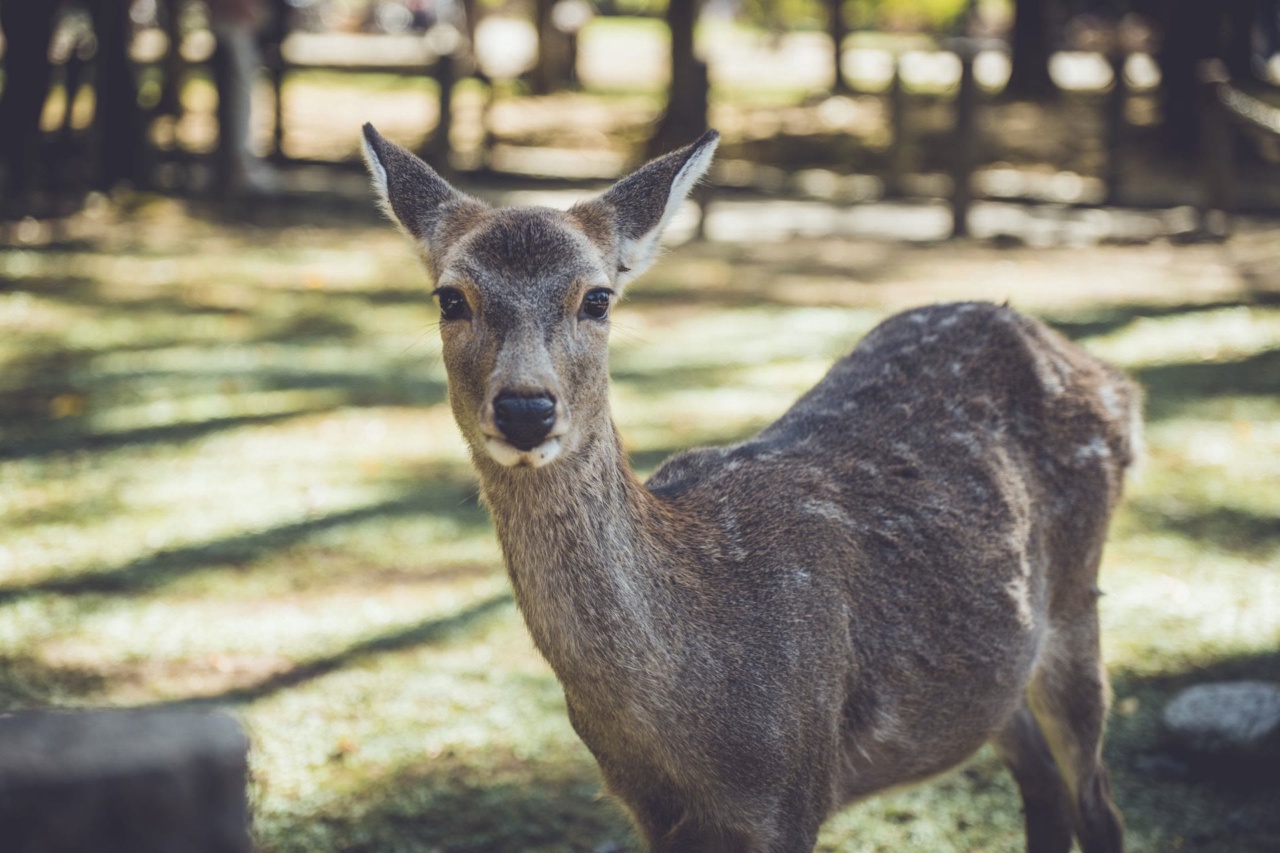
The park bans feeding with anything except the designated shika senbei deer crackers. Bread, sweets, vegetables and leftovers make the deer ill.[1] The deer will eat paper, plastic bags and maps from your hands, and they can hook a bag with their antlers, so hold your belongings firmly. The park has no bins, and swallowed rubbish kills deer, so take all of it home.[1] The deer are a national natural monument.[1] If you walk a dog, keep it on a lead and away from the deer.[2]
What to see at Tōdai-ji
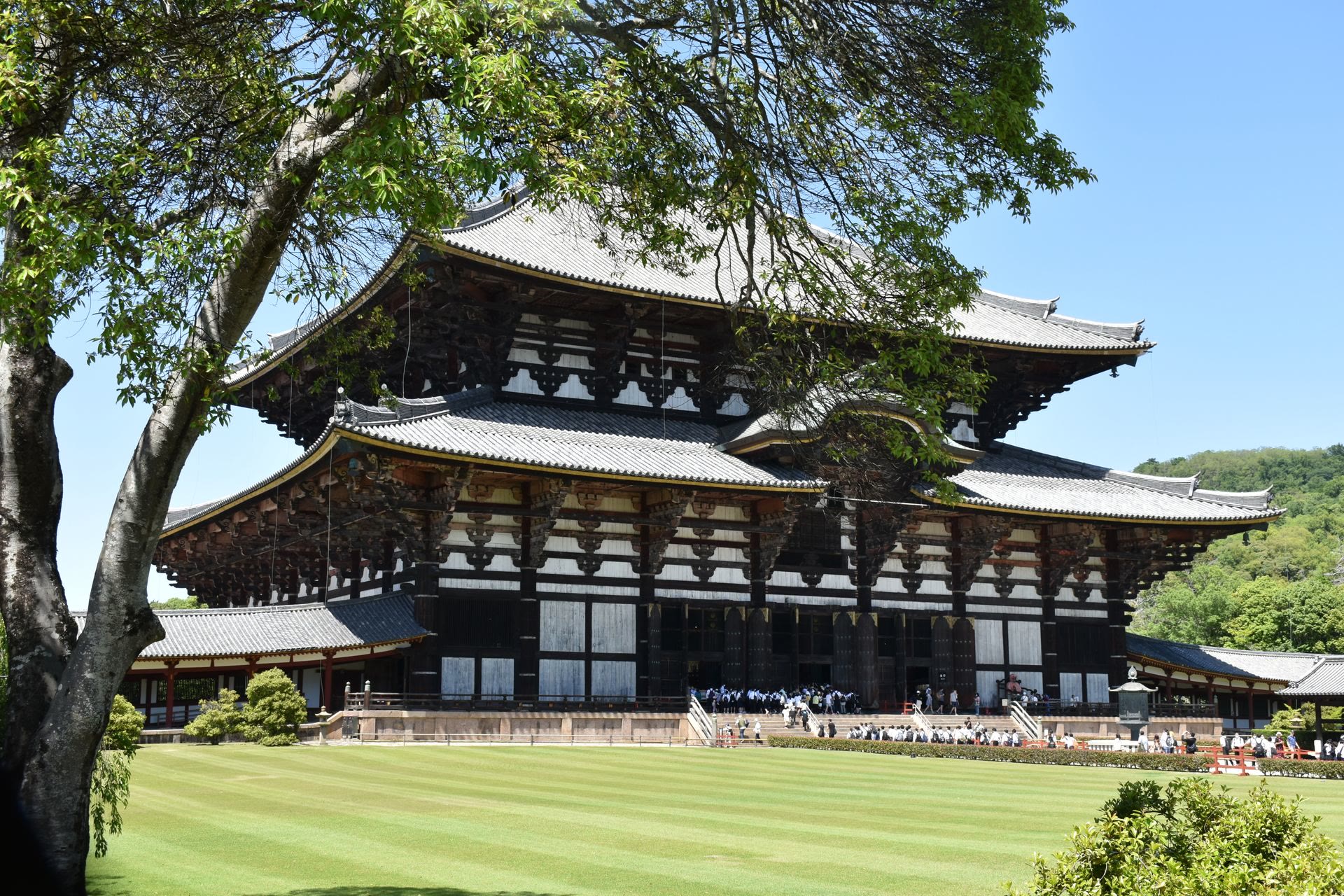
The Great Buddha is Vairocana, an eighth-century National Treasure.[3] The Great Buddha Hall has burned down twice, in 1180 and 1567. The present hall dates from the Edo period and is seven bays wide instead of the original eleven, with the original height and depth. It measures 57 metres wide, 50 metres long and 49 metres high, and Tōdai-ji describes it as the largest wooden structure in the world.[3] Look for the Octagonal Lantern in front of the hall, a National Treasure from the founding of the temple, with celestial musicians on its panels.[3]
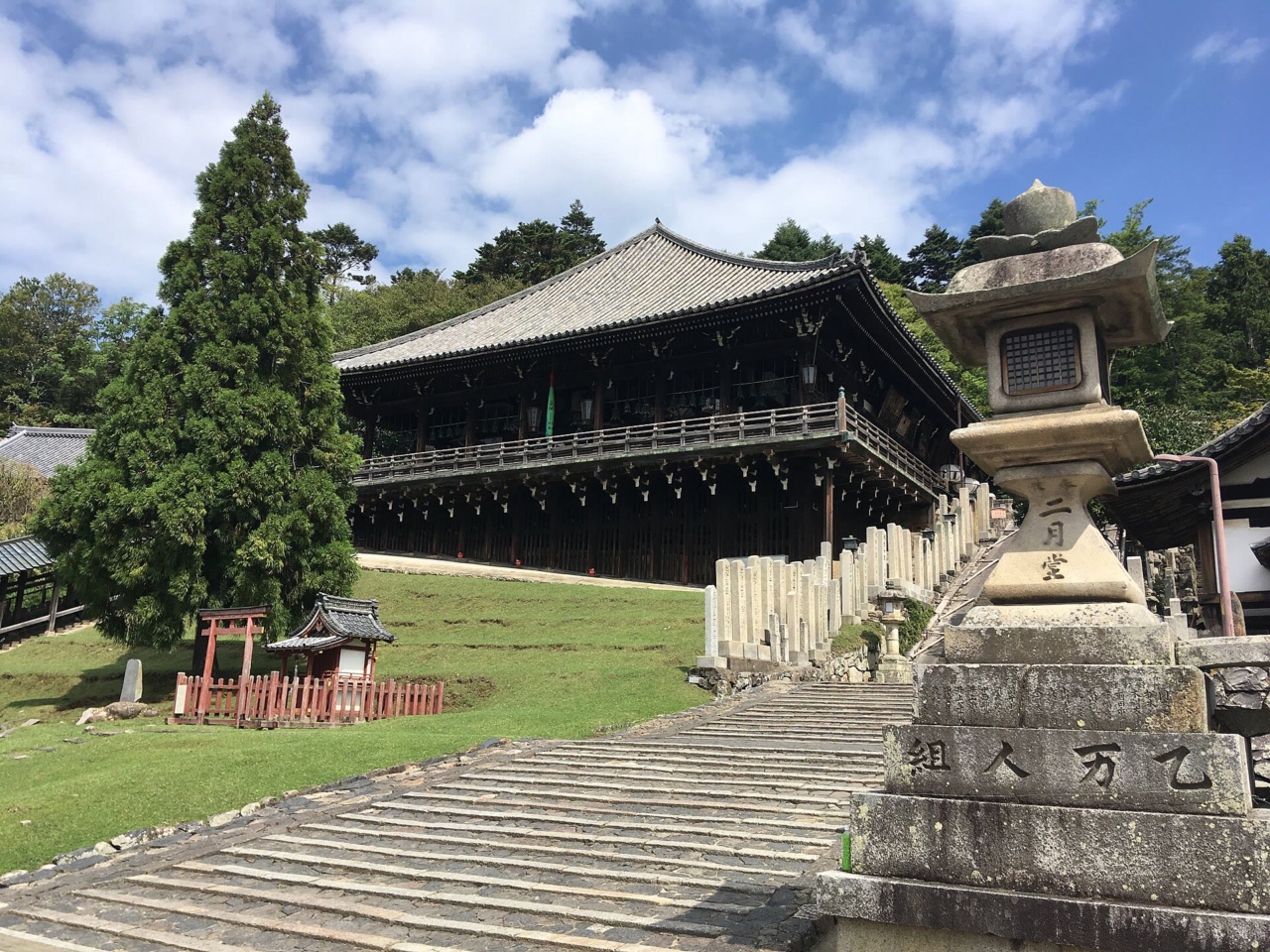
Nigatsu-dō, a short walk uphill, is a National Treasure rebuilt in 1669 after a fire in the middle of its famous Shuni-e ceremony.[4] Photography is not allowed inside.[4]
Separate tickets and a realistic budget
Admission to the Great Buddha Hall is 800 yen for adults and secondary-school pupils aged 13 to 18, and 400 yen for children aged 6 to 12. The joint ticket for the hall and the Tōdai-ji Museum costs 1,200 yen for adults and 600 yen for children aged 6 to 12.[5] Kasugataisha charges 700 yen for special worship in the main sanctuary and 700 yen for the Man'yō Botanical Garden, each on a separate ticket.[6] An adult who visits the Great Buddha Hall and the shrine's main sanctuary pays 1,500 yen in admission.
Opening hours for the actual attraction
The Great Buddha Hall is open from 7:30 to 17:30 from April to October and from 8:00 to 17:00 from November to March.[5] The Tōdai-ji Museum keeps its own hours, opening at 9:30 and closing between 17:00 and 17:30, depending on the season.[5] At Kasugataisha, general worship in the main sanctuary runs from 6:30 to 17:30 from March to October and from 7:00 to 17:00 from November to February.[6] Special worship runs from 9:00 to 16:00 and pauses on certain days for ceremonies.[6]
Choose the right station and stop
Kintetsu-Nara and JR Nara are different stations. From Kintetsu-Nara, Tōdai-ji is about 20 minutes' walk east along Noborioji.[7] From either station, take the city loop bus to the stop Tōdai-ji Daibutsuden / Kasuga Taisha-mae and walk 5 minutes.[7] Kintetsu trains take about 40 minutes from Osaka-Namba and about 50 minutes from Kyoto to Nara.[7] A JR pass does not cover the Kintetsu line. Tōdai-ji has no car park of its own.[7]
Adding Kasugataisha
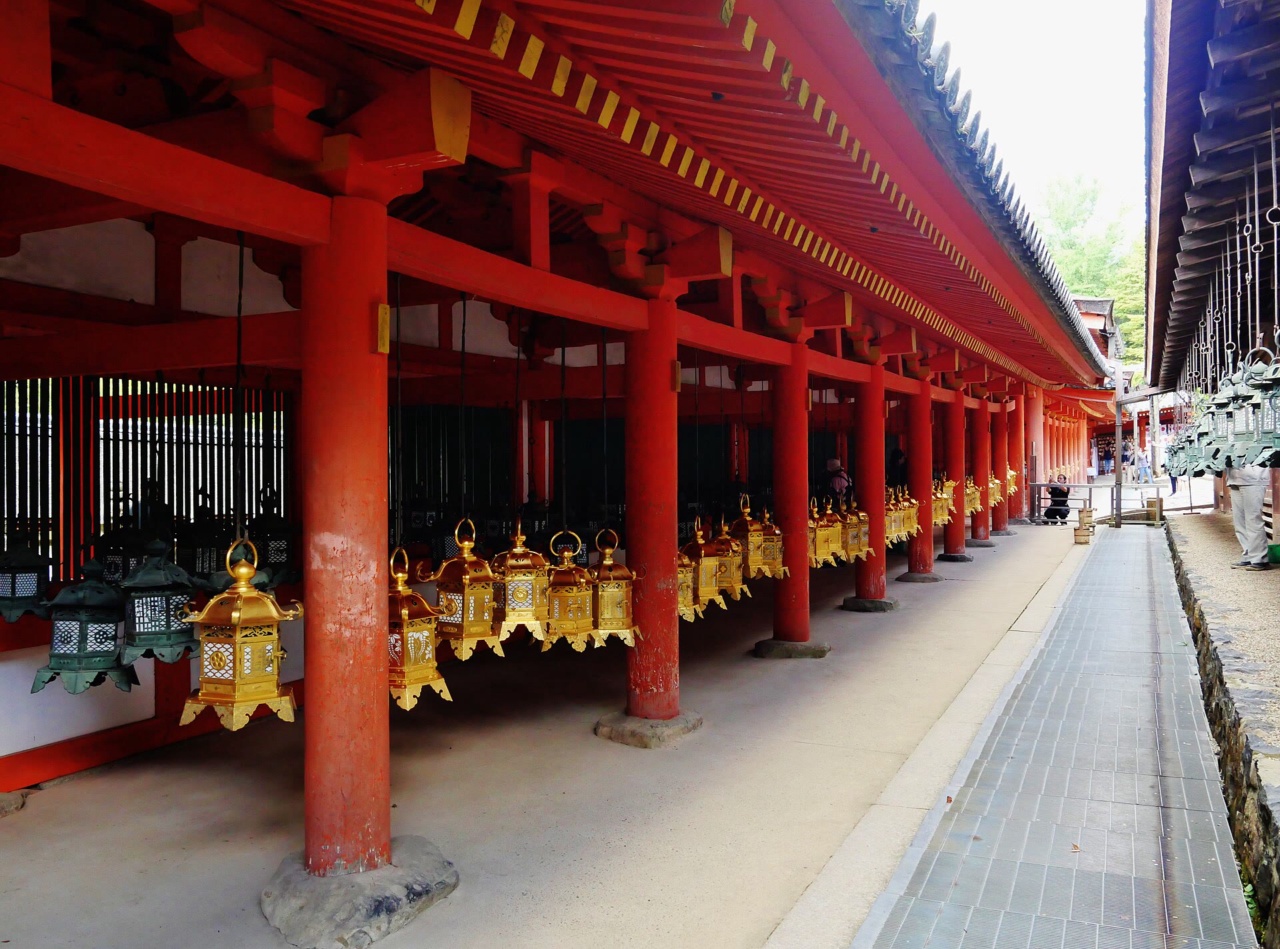
For the main sanctuary of Kasugataisha, take the bus to the Kasuga Taisha Honden stop and walk about 3 minutes. The clockwise city loop bus to Kasugataisha Omotesando runs more often, and the walk from there takes about 10 minutes. From Kintetsu-Nara it is about 25 minutes on foot.[6] The Man'yō Botanical Garden closes on Tuesdays from June to March, except on public holidays, and opens daily in April and May.[6] The shrine does not allow pets.[6]
Build a flexible walking route
A good sequence is Kintetsu-Nara, the Great Buddha Hall, Nigatsu-dō and then Kasugataisha, with a bus or a walk back. Nigatsu-dō involves a climb, so skip it if steps, weather or time are against you. If your remaining time is short, choose either the shrine or a museum or garden, not both.
Cherry trees bloom from late March to early May, depending on the variety and the year, and the maples peak from late November to early December.[2] The park office posts daily photos of the park, so look before you set off. Bring layers, comfortable shoes, water and a bag for your rubbish.
Photography, belongings and park rules
The park has no rubbish bins.[2] Vehicles, including bicycles, are generally banned outside designated areas, so park in the bicycle spaces and walk.[2] Tōdai-ji also forbids pushing a bicycle or motorcycle into its precinct.[7] In the Great Buddha Hall you can take personal commemorative photos, but tripods and group photos are not allowed.[3] Keep your bag secure, keep the paths clear and leave worshippers room to pray.
Sources and background
Numbers in the text such as [1] refer to these sources.
- [1] Nara Prefectural Government: Wild deer safety, permitted feeding, natural-monument protection and waste. Retrieved October 21, 2026.
- [2] Nara Prefectural Government: Park rules, bicycles, dogs, seasonal variation and practical visitor questions. Retrieved October 21, 2026.
- [3] Tōdai-ji: Vairocana, reconstruction of the Great Buddha Hall and photography rules. Retrieved October 21, 2026.
- [4] Tōdai-ji: Nigatsu-dō reconstruction and interior photography prohibition. Retrieved October 21, 2026.
- [5] Tōdai-ji: Great Buddha Hall and museum admission products, ages and seasonal hours. Retrieved October 21, 2026.
- [6] Kasugataisha: Shrine and garden fees, hours, ceremony restrictions, bus stops and pet rules. Retrieved October 21, 2026.
- [7] Tōdai-ji: Temple access: Kintetsu-Nara, city-loop stops and parking restrictions. Retrieved October 21, 2026.
Frequently Asked Questions
The deer are wild animals, even though they are used to people. They can bite, kick, charge and injure with their antlers, especially hinds with young in spring and stags in autumn. Feed them only the designated shika senbei crackers, never bread, sweets or leftovers, and keep your belongings out of their reach.
Walking in Nara Park is free. The Great Buddha Hall costs 800 yen for adults and secondary-school pupils and 400 yen for children aged 6 to 12. The joint ticket with the Tōdai-ji Museum costs 1,200 yen for adults and 600 yen for children aged 6 to 12. At Kasugataisha, special worship in the main sanctuary costs 700 yen and the Man'yō Botanical Garden 700 yen.
The Great Buddha Hall is open from 7:30 to 17:30 from April to October and from 8:00 to 17:00 from November to March. Kasugataisha's main sanctuary is open for general worship from 6:30 to 17:30 from March to October and from 7:00 to 17:00 from November to February.
From Kintetsu-Nara it is about 20 minutes on foot east along Noborioji. From Kintetsu-Nara or JR Nara you can also take the city loop bus to Tōdai-ji Daibutsuden / Kasuga Taisha-mae and walk 5 minutes. Kintetsu trains take about 40 minutes from Osaka-Namba and about 50 minutes from Kyoto to Nara.
It houses Vairocana, an eighth-century National Treasure, in a hall that Tōdai-ji describes as the largest wooden structure in the world. The present hall dates from the Edo period, after fires in 1180 and 1567, and is seven bays wide instead of the original eleven.
Allow three to four hours for the Great Buddha Hall, the deer, walking and breaks. Add time for Kasugataisha or a museum. A good route runs from Kintetsu-Nara to the Great Buddha Hall, Nigatsu-dō and Kasugataisha.
Cherry trees bloom from late March to early May, and the maples peak from late November to early December, but the dates vary by year. Bring layers, comfortable shoes, water and a bag for your rubbish, because the park has no bins. Bicycles are not allowed in the park outside designated areas.