Hiroshima Peace Memorial: Museum, Tickets and Getting There
Photo: Cyndi Perez / Pexels
Contents
Hiroshima asks you to choose how you want to take it in: an open-air walk past the memorials, a museum visit, or both. The park holds the monuments to the victims. The museum tells the story of the bombing through belongings, records and testimony. If you want Miyajima on the same day, plan the museum entry and the ferry first, then fit everything else around them.
History and Memorials
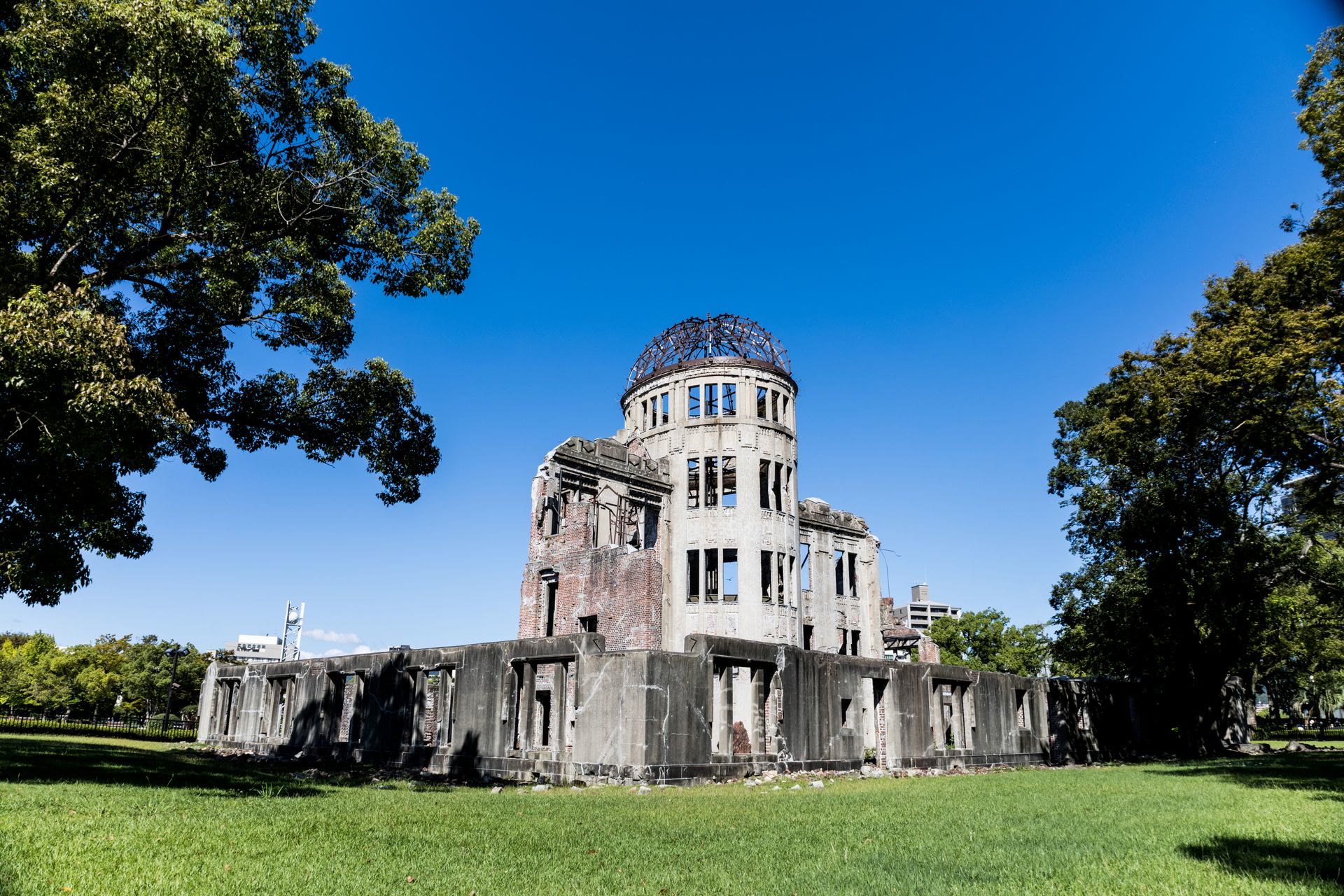
At 08:15 on 6 August 1945, an atomic bomb was dropped on Hiroshima, the first use of a nuclear weapon in war. By the end of 1945, about 40 percent of the city's population had died from it.[1] The Genbaku Dome, the skeleton of the former Hiroshima Prefectural Industrial Promotion Hall built in 1914, is the only structure left standing near the hypocentre, preserved as a ruin in the state it was in right after the explosion.[2] You see it from outside the protective fence.
The Cenotaph was designed by Kenzo Tange and completed on 6 August 1952. A stone chest at its centre holds the register of the names of everyone who died from the bombing, regardless of nationality.[3] The Flame of Peace has burned continuously since 1 August 1964 and will burn until all nuclear weapons have disappeared from the earth.[4] The Children's Peace Monument was completed on 5 May 1958 and remembers the children who died, among them Sadako Sasaki, who was exposed to the bombing at the age of two and died of leukaemia ten years later.[5]
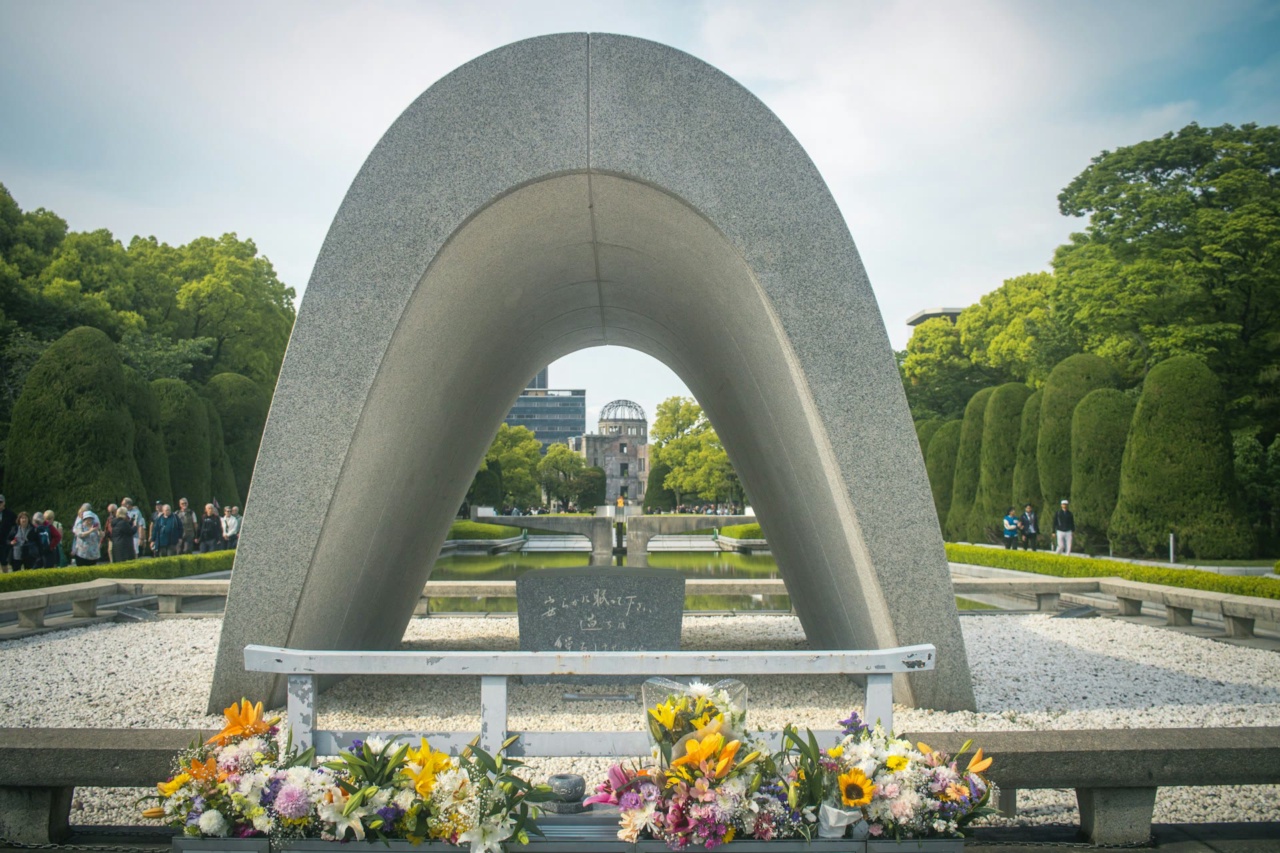
The monument for the Korean victims was moved into the park in July 1999.[6] The Atomic Bomb Memorial Mound holds ashes of victims: of 2,432 urns in the vault in 1955, 824 remain unclaimed and rest there.[7] The park itself was completed on 1 April 1954 and covers about 12 hectares.[8] The foundation's map helps you choose a route through it.
Things to Do
Offers are only loaded from GetYourGuide after you click. GetYourGuide can then process your IP address and set cookies. Privacy Policy
GetYourGuide partner offers. GoAsia may earn a commission if you book through these offers. Check whether tickets or transfers are included, and follow the attraction's official booking and admission rules.
Museum Hours and Booking
The museum is open 07:30-19:00 from March to July and from September to November, 07:30-20:00 in August and 07:30-18:00 from December to February. On 5 and 6 August it stays open until 21:00. Last admission is 30 minutes before closing. It closes on 30 and 31 December.[9] For an exhibition change it is closed from 15 to 20 February 2027.[10]
Buy a web ticket in advance. Same-day tickets can mean a wait, and when the museum is crowded, admission is restricted, so even a web ticket may not get you in at the exact time printed on it. In the early slot from 07:30 to 08:30 and in the evening slots only visitors with a web ticket are admitted: 17:30-19:00 from March to July and from September to November, 18:30-20:00 in August and 16:30-18:00 from December to February. Web tickets can sell out before last admission. At the counter and at the ticket machines you buy tickets between 08:30 and 17:30 (08:30-18:30 in August, 08:30-16:30 from December to February).[10] The early morning and the evening are the calmest times to come.
Admission and Visiting Rules
Admission is JPY200 for adults (college students and up), JPY100 for high school students, and free for junior high school students and younger. Visitors aged 65 or over pay JPY100 on showing their passport. Coin lockers for large bags are on the first floor of the East Building. Photography and video without flash are allowed for personal use, but tripods and selfie sticks are not.[9] The exhibits are moving and heavy, so allow yourself a break afterwards.
Getting to the Park
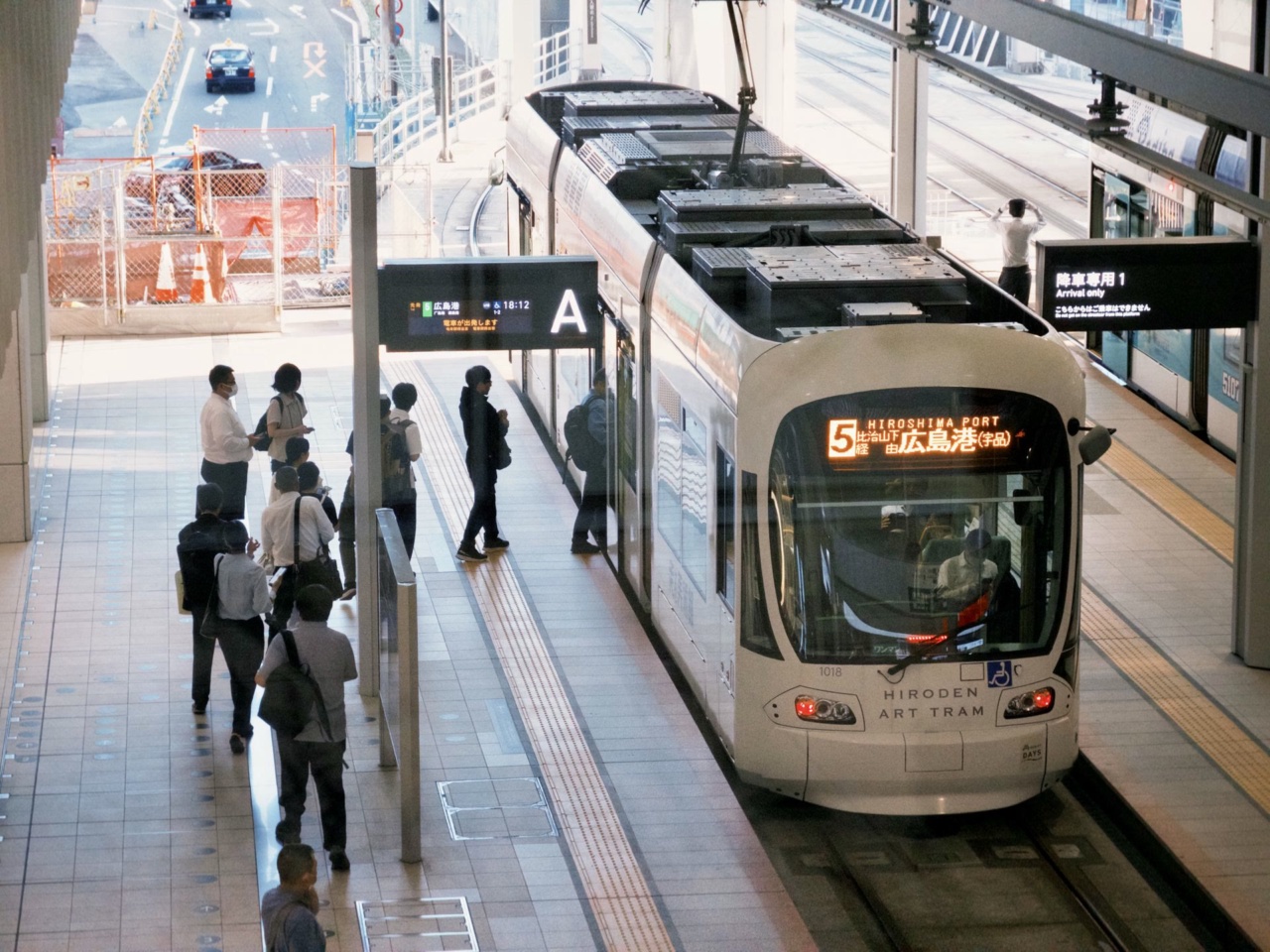
The easiest way from Hiroshima Station is the streetcar: line 2 (towards Miyajima) or line 6 (towards Eba) to Genbaku Dome-mae takes about 25 minutes.[11] The flat fare is JPY240 for adults, paid when you get off by cash or IC card.[12] Bus 24 for Yoshijima from the south exit reaches Heiwa Kinen Koen in about 20 minutes, and the orange or green Meipuru-pu sightseeing loop bus from the Shinkansen exit takes about 17 minutes.[11] A taxi takes about 15 minutes.[11]
The Japan Rail Pass is not valid on Nozomi and Mizuho trains on the Tokaido, Sanyo and Kyushu Shinkansen. Use Hikari, Sakura, Kodama or Tsubame instead.[13] Regional passes have their own rules, so check the train you plan to take with the pass issuer.
Combining Hiroshima and Miyajima
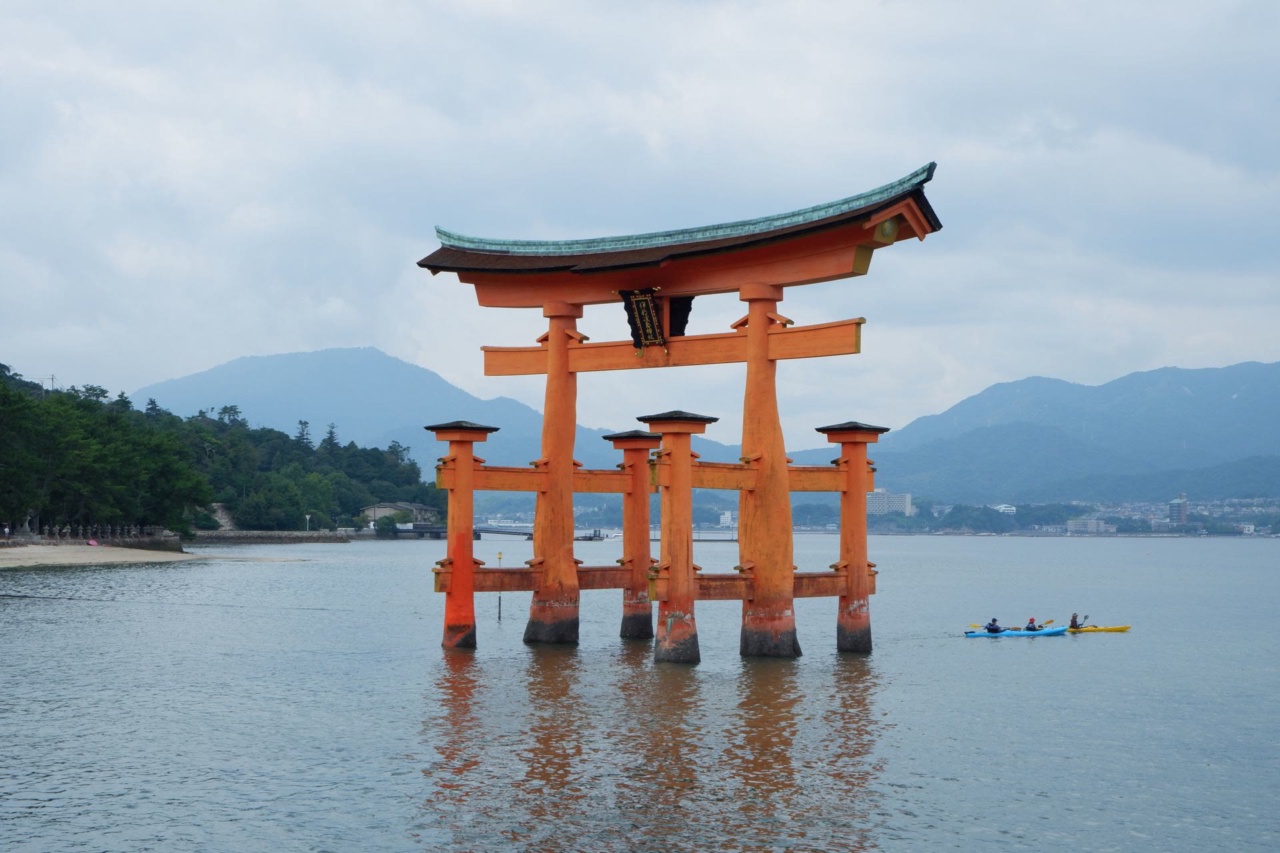
The direct Aqua Net ferry runs from Peace Memorial Park to Miyajima. The adult fare is JPY2,500 one way, JPY2,400 in the other direction, and JPY4,500 return. The fare from the park includes Miyajima's JPY100 visitor tax. Bookings are accepted until the day before boarding, and with a reservation you arrive at the ticket office at least 15 minutes before departure.[14] The Japan Rail Pass covers only the JR West Miyajima ferry, not this direct boat.[13]
Planning Your Time
Give the park and museum two to three hours, and more if you want to read the exhibits closely. Walk the park first, then enter the museum, or the other way round if you come early. Keep the memorial spaces quiet and spend your time looking and listening rather than photographing. If you travel with children, look at the museum's material beforehand and decide together what suits them.
Sources and background
Numbers in the text such as [1] refer to these sources.
- [1] Hiroshima Prefecture: 1945 bombing and estimated deaths by the end of the year. Retrieved October 22, 2026.
- [2] UNESCO World Heritage Centre: Hiroshima Peace Memorial: Dome conservation and meaning. Retrieved October 22, 2026.
- [3] Hiroshima Peace Culture Foundation: Cenotaph history and victim registry: dated counts, not current totals. Retrieved October 22, 2026.
- [4] Hiroshima Peace Culture Foundation: Flame of Peace: 1964 lighting and nuclear abolition symbolism. Retrieved October 22, 2026.
- [5] Hiroshima Peace Culture Foundation: Children's Peace Monument: Sadako and the 1958 memorial. Retrieved October 22, 2026.
- [6] Hiroshima Peace Culture Foundation: Korean victims monument: completion and July 1999 relocation. Retrieved October 22, 2026.
- [7] Hiroshima Peace Culture Foundation: Atomic Bomb Memorial Mound: unclaimed ashes and identification limits. Retrieved October 22, 2026.
- [8] Hiroshima Peace Culture Foundation: Peace Memorial Park map, completion and area. Retrieved October 22, 2026.
- [9] Hiroshima Peace Memorial Museum: Museum hours, admission categories and visitor rules. Retrieved October 22, 2026.
- [10] Hiroshima Peace Memorial Museum: Closure notices, web ticket periods and crowd arrangements. Retrieved October 22, 2026.
- [11] Hiroshima Peace Memorial Museum: Station transport examples and park access. Retrieved October 22, 2026.
- [12] Hiroshima Electric Railway (Hiroden): Streetcar Fares. Retrieved October 15, 2026.
- [13] Japan Rail Pass: Nationwide pass coverage, Nozomi and Mizuho special tickets and Miyajima ferry. Retrieved October 22, 2026.
- [14] Aqua Net Hiroshima: Direct Miyajima boat: adult fares, visitor tax and advance booking conditions. Retrieved October 22, 2026.
Frequently Asked Questions
Both, if you have two to three hours. The park holds the memorials, among them the Genbaku Dome, the Cenotaph, the Flame of Peace and the Children's Peace Monument. The museum explains the bombing through belongings, records and testimony. If you want Miyajima on the same day, book the museum entry and the ferry first.
The museum is open 07:30-19:00 from March to July and from September to November, 07:30-20:00 in August and 07:30-18:00 from December to February. On 5 and 6 August it is open until 21:00. Last admission is 30 minutes before closing. It is closed on 30 and 31 December and from 15 to 20 February 2027 for an exhibition change.
Yes, buy a web ticket in advance. The early slot from 07:30 to 08:30 and the evening slots (17:30-19:00 from March to July and from September to November, 18:30-20:00 in August, 16:30-18:00 from December to February) admit only visitors with a web ticket. When the museum is crowded, admission is restricted, so you may have to wait even with a ticket.
Admission is JPY200 for adults, JPY100 for high school students and free for junior high school students and younger. Visitors aged 65 or over pay JPY100 on showing their passport. Coin lockers for large bags are on the first floor of the East Building. Photography without flash is allowed for personal use; tripods and selfie sticks are not.
Take streetcar line 2 (towards Miyajima) or line 6 (towards Eba) to Genbaku Dome-mae, about 25 minutes, for a flat fare of JPY240. Bus 24 for Yoshijima to Heiwa Kinen Koen takes about 20 minutes, and the Meipuru-pu sightseeing loop bus from the Shinkansen exit about 17 minutes. A taxi takes about 15 minutes.
No. The Japan Rail Pass is not valid on Nozomi and Mizuho trains, so use Hikari, Sakura, Kodama or Tsubame. It covers only the JR West Miyajima ferry, not the direct Aqua Net boat from Peace Memorial Park. That boat costs JPY2,500 one way from the park, including Miyajima's JPY100 visitor tax, and you can book until the day before.
Two to three hours for the park and museum is a good block, more if you want to read the exhibits closely. Early morning and evening are the calmest times at the museum.