Ipoh Old Town: Heritage, Street Art, and Malaysia's Best Food
Ipoh has spent decades in the shadow of Penang and Kuala Lumpur, quietly perfecting its food, preserving its colonial heritage, and cultivating a creative scene that now rivals its more famous neighbors. The capital of Perak state grew wealthy from tin mining in the late 1800s and early 1900s, and the grand colonial buildings, ornate Chinese shophouses, and atmospheric alleyways built with that wealth still define the Old Town today. Walk through Ipoh's streets and you find a city that feels like Penang did fifteen years ago: authentic, unhurried, and absolutely serious about what it serves on a plate.
Ipoh is increasingly recognized as one of Malaysia's essential food destinations, with a culinary tradition rooted in Chinese, Malay, and Indian influences that produces dishes found nowhere else in quite the same form. Add limestone cave temples, a growing street art scene, and heritage buildings that rival anything in Georgetown, and you have a city that deserves far more than a quick stopover between KL and Penang.
Heritage Architecture
Ipoh's Old Town is a living museum of colonial and pre-war architecture. The buildings here reflect the city's multicultural history and its tin-mining wealth, blending Victorian, Moorish, and Chinese design elements in ways unique to the Perak region.
The Railway Station
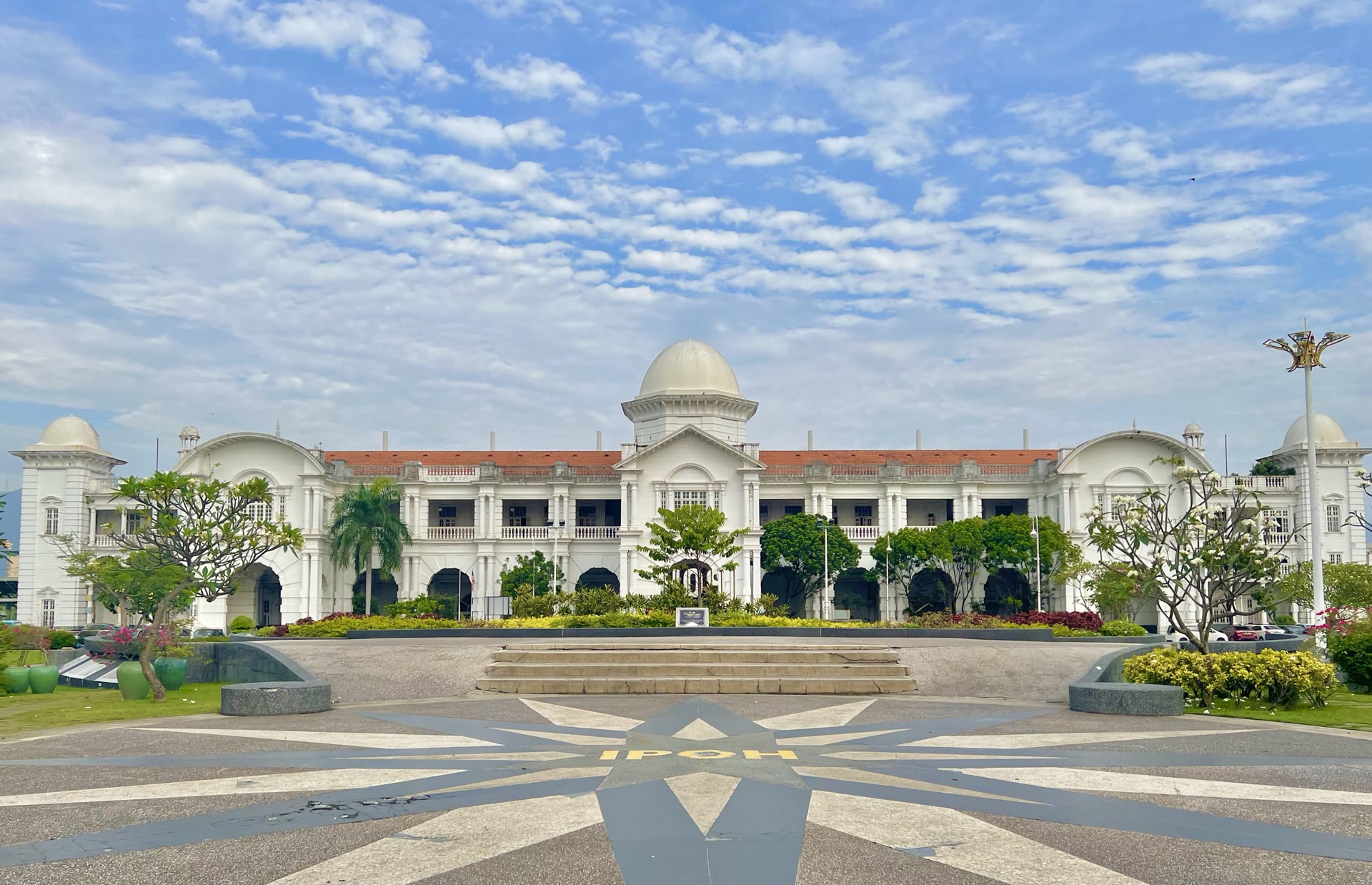
Nicknamed "the Taj Mahal of Ipoh," the railway station is a stunning Edwardian Baroque building with gleaming white domes, arched windows, and a grand entrance hall. Built during the British colonial era, it remains a working station and sets the tone for what the rest of the Old Town delivers architecturally. The Town Hall directly across the road is equally impressive and together they create the most photogenic street corner in the city.
Concubine Lane
The most famous alley in Ipoh's Old Town carries a name rooted in local legend. The narrow lane was supposedly built by a tin mining tycoon to house his wife and mistresses in adjacent shophouses. After decades of neglect, the alley was restored and now thrums with souvenir shops, food vendors, red lanterns, and a steady stream of visitors. It is touristy by Ipoh standards, but the architecture is genuine and the snacks are good.
Heritage Buildings
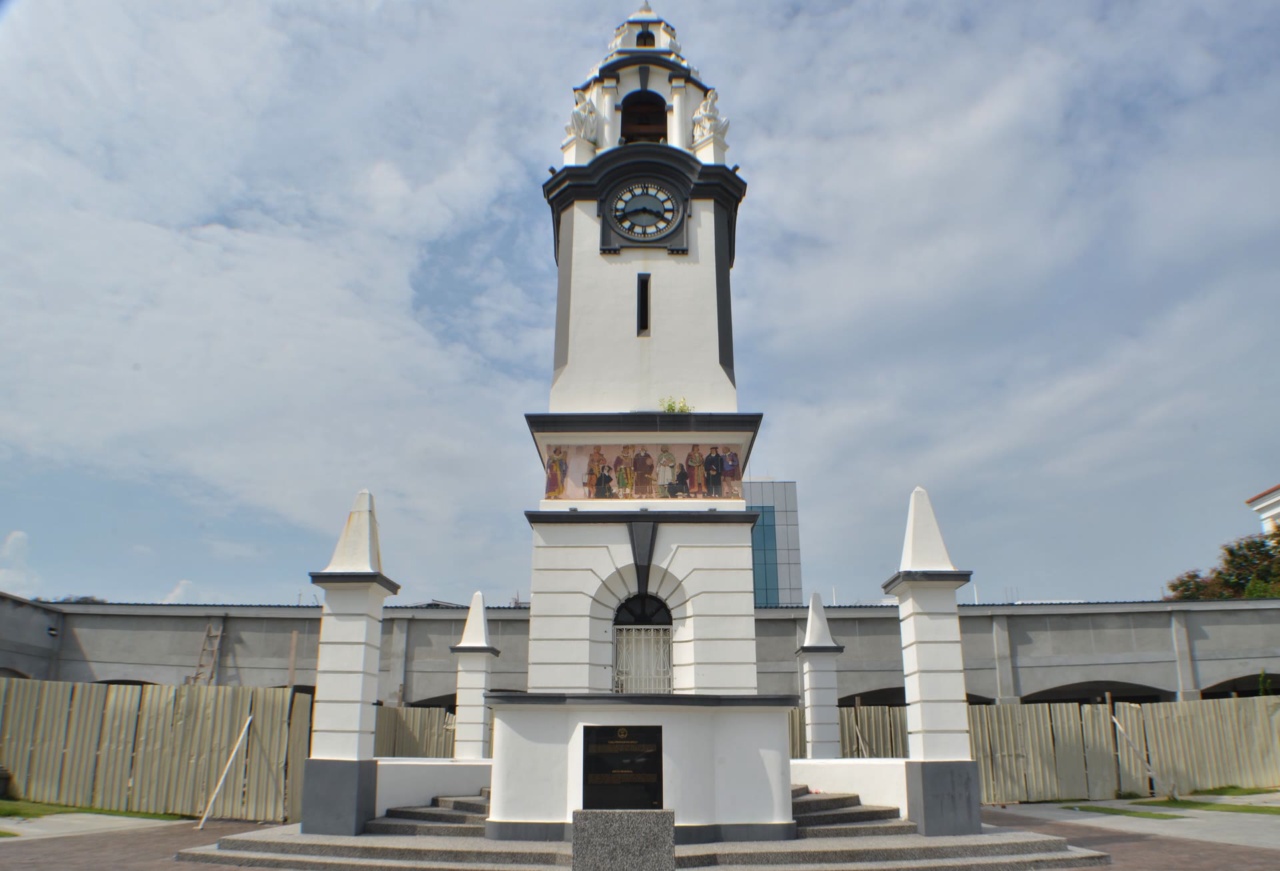
- Birch Memorial Clock Tower - A striking white tower commemorating the first British Resident of Perak, featuring relief panels depicting scenes from Perak's history.
- 22 Hale Street - A beautifully restored heritage house turned museum with artifacts depicting early 20th-century life in Ipoh.
- Han Chin Pet Soo - Malaysia's first Hakka tin miners' club, now a museum telling the story of the Chinese community that built Ipoh's wealth. The building itself, with its intricate tile work and wooden detailing, is as fascinating as the exhibits inside.
- Old Post Office - Another colonial gem near the railway station, part of a cluster of government buildings that showcase the architectural ambition of tin-era Ipoh.
Things to Do
The Food of Ipoh
Ask Malaysians where to eat and many will tell you Ipoh before they mention Penang or KL. The city's food culture runs deep, with recipes passed down through generations at family-run kopitiam (coffee shops) and hawker stalls.
Ipoh White Coffee
The drink that put Ipoh on the culinary map. Ipoh white coffee gets its name from the roasting process, where beans are roasted with palm oil margarine, giving the coffee a smooth, caramelized flavor without the bitterness of traditionally roasted beans. The two legendary rivals are Nam Heong and Sin Yoon Loong, located directly across the street from each other on Jalan Bandar Timah. Order it with condensed milk and pair it with kaya toast or egg tarts.
Must-Try Dishes
| Dish | What It Is | Where to Try |
|---|---|---|
| Ipoh hor fun | Silky flat rice noodles in savory broth with chicken and prawns | Thean Chun, Lou Wong |
| Bean sprout chicken | Poached chicken with crisp, fat bean sprouts unique to Ipoh | Tauge Ayam Lou Wong, Ong Kee |
| Tau fu fah | Silken tofu pudding with sweet syrup, served warm | Funny Mountain Soya Bean |
| Kaya puffs | Flaky pastry filled with sweet coconut jam | Sin Eng Heong |
| Nasi kandar | Rice with various curries and side dishes, Indian-Muslim style | Nasi Kandar Ayam Merah |
| Salt-baked chicken | Whole chicken baked in a crust of coarse salt | Aun Kheng Lim |
Ipoh's bean sprouts deserve special mention. Fed by the mineral-rich water from the surrounding limestone hills, they grow unusually fat and crunchy, with a sweetness not found in regular sprouts. This local ingredient elevates the simple bean sprout chicken dish into something memorable.
Street Art
Following Penang's success, Ipoh invited Lithuanian artist Ernest Zacharevic to create a series of murals in the Old Town. His works here include a three-dimensional trishaw sculpture and several wall paintings that interact with the surrounding architecture. Since then, local and international artists have added dozens more murals and installations throughout the Old Town.
Mural Art Lane is the main concentration, but pieces are scattered across side streets and back alleys, rewarding wanderers who look up and around corners. Market Lane and Wife Lane (next to Concubine Lane) also feature charming artworks and decorated facades.
Cave Temples
Ipoh sits in a valley surrounded by dramatic limestone karst hills, and several of these hills contain spectacular cave temples that should not be missed.
Sam Poh Tong
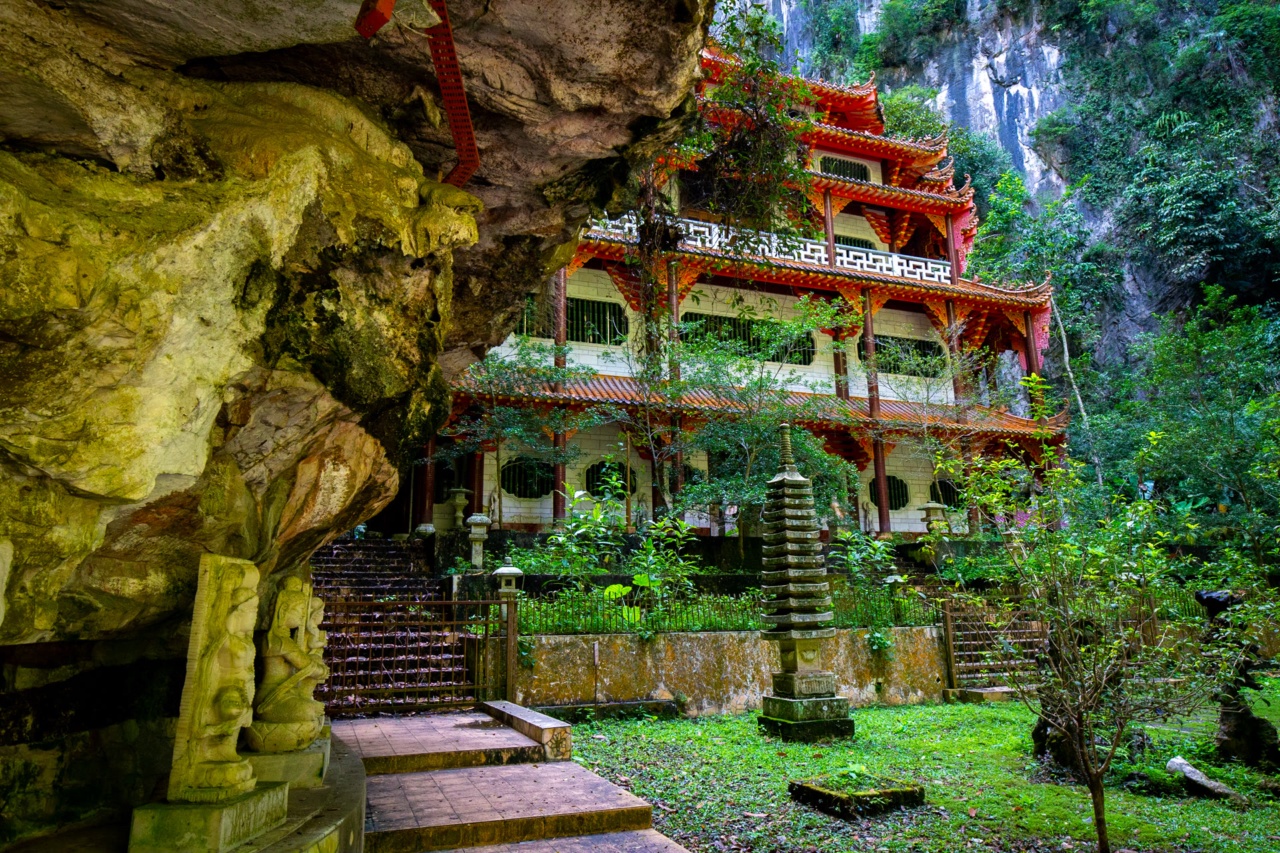
The oldest cave temple in the Ipoh area, Sam Poh Tong features a massive cavern decorated with Buddhist statues, incense-blackened walls, and stalactites dripping from the ceiling. A garden at the rear of the cave, enclosed by towering limestone walls, creates a peaceful courtyard atmosphere.
Kek Lok Tong
Arguably the most beautiful of Ipoh's cave temples, Kek Lok Tong opens from a cavernous interior filled with golden Buddha statues into a meticulously manicured Zen garden backed by sheer limestone cliffs. The contrast between the dark, cool cave and the sunlit garden is breathtaking. Entry is free.
Perak Cave Temple
Home to one of the largest cave paintings of Buddha in Malaysia, Perak Cave Temple requires a climb up 385 steps but rewards the effort with impressive religious art and views from the upper cave.
Getting to Ipoh
Ipoh sits roughly halfway between Kuala Lumpur and Penang, making it a natural stop on any north-south journey through Peninsular Malaysia.
| From | Transport | Duration | Cost |
|---|---|---|---|
| Kuala Lumpur | ETS train | 2.5 hours | RM 25-45 |
| Penang | ETS train | 1.5 hours | RM 15-30 |
| KL / Penang | Bus | 3-4 hours | RM 20-35 |
| KL / Penang | Car | 2-3 hours | Toll + fuel |
The ETS (Electric Train Service) is the most comfortable option and drops you at the magnificent Ipoh Railway Station right in the heart of the Old Town. The Old Town is compact and walkable, though Grab is useful for reaching the cave temples on the outskirts.
For more Malaysian food trails and city guides, explore GoAsia.cc.
Tips for Visiting Ipoh Old Town
- Come hungry. Ipoh is a food city first. Plan your meals around specific dishes and restaurants rather than fitting food around sightseeing. Many of the best kopitiam close by early afternoon.
- Explore on foot. The Old Town is compact and best appreciated at walking pace. The heritage buildings, street art, and food stalls are all within a comfortable walking radius of the railway station.
- Visit the cave temples. Do not skip these in favor of staying in the Old Town all day. Sam Poh Tong and Kek Lok Tong are among the most impressive religious sites in Malaysia and are only a short Grab ride from the center.
- Stay overnight. Ipoh has a growing collection of boutique hotels in restored heritage shophouses. Staying a night lets you experience both the morning kopitiam culture and the quieter evening atmosphere when the day trippers leave.
- Visit on a Sunday for the flea market. Memory Lane hosts a weekly flea market where vendors sell vintage goods, antiques, and collectibles. The market adds energy and character to the Old Town on Sunday mornings.
- Try both coffee shops. Nam Heong and Sin Yoon Loong have a friendly rivalry. Regulars swear by one over the other. Try both and decide for yourself.
- Bring cash. Many traditional kopitiam and hawker stalls are cash only. Small bills are useful as change can be scarce at busy food stalls.
Frequently Asked Questions
Ipoh combines stunning colonial heritage architecture, atmospheric cave temples carved into limestone hills, a thriving street art scene, and what many Malaysians consider the best food in the country. The Old Town's restored shophouses, kopitiam culture, and unhurried pace offer an authentic Malaysian experience without the crowds of Penang or KL.
Most of Ipoh's attractions are free, including the street art, heritage buildings, and Kek Lok Tong cave temple. Food is remarkably affordable, with coffee from RM 2, hor fun from RM 6, and a full meal rarely exceeding RM 15. The ETS train from KL costs RM 25 to 45. Ipoh is one of the most budget-friendly destinations in Malaysia.
The ETS train is the best option, taking 2.5 hours from KL and 1.5 hours from Penang, arriving at Ipoh's stunning railway station in the heart of the Old Town. Buses take 3 to 4 hours. Driving is about 2 hours from either city via the North-South Highway.
The essentials are Ipoh white coffee at Nam Heong or Sin Yoon Loong, bean sprout chicken at Lou Wong, silky hor fun at Thean Chun, tau fu fah at Funny Mountain, and kaya puffs at Sin Eng Heong. Ipoh's fat, crunchy bean sprouts are unique to the area thanks to the mineral-rich limestone water.
A full day covers the Old Town heritage walk, street art, food highlights, and one or two cave temples. An overnight stay is recommended to experience the morning kopitiam culture and evening atmosphere. Two days allow a more relaxed pace with time for all the cave temples and deeper food exploration.
The main cave temples are Sam Poh Tong (the oldest, with a garden courtyard), Kek Lok Tong (the most beautiful, with a manicured Zen garden), and Perak Cave Temple (featuring one of Malaysia's largest cave Buddha paintings). All are carved into the dramatic limestone karst hills surrounding the city and are a short Grab ride from the Old Town.
Yes, the Old Town is very compact and best explored on foot. The railway station, Concubine Lane, heritage buildings, street art, and most kopitiam are all within a comfortable walking radius. You will need a Grab or taxi to reach the cave temples, which are on the outskirts of the city about 10 to 15 minutes by car.
Ipoh white coffee is made from beans roasted with palm oil margarine, which creates a smooth, caramelized flavor without the bitterness of traditional roasting. Served with condensed milk, it has a distinctively sweet, creamy taste. The two most famous shops, Nam Heong and Sin Yoon Loong, face each other across the same street and have been rivals for decades.