Killing Fields Phnom Penh: Visiting Choeung Ek Genocidal Centre
Between 1975 and 1979, the Khmer Rouge regime systematically murdered an estimated two million Cambodians - roughly a quarter of the country's population. Choeung Ek, a former longan orchard 15 km south of Phnom Penh, was the largest of more than 300 killing fields scattered across Cambodia. Today it stands as a memorial and museum, a place where the sheer scale of what happened becomes impossible to look away from.
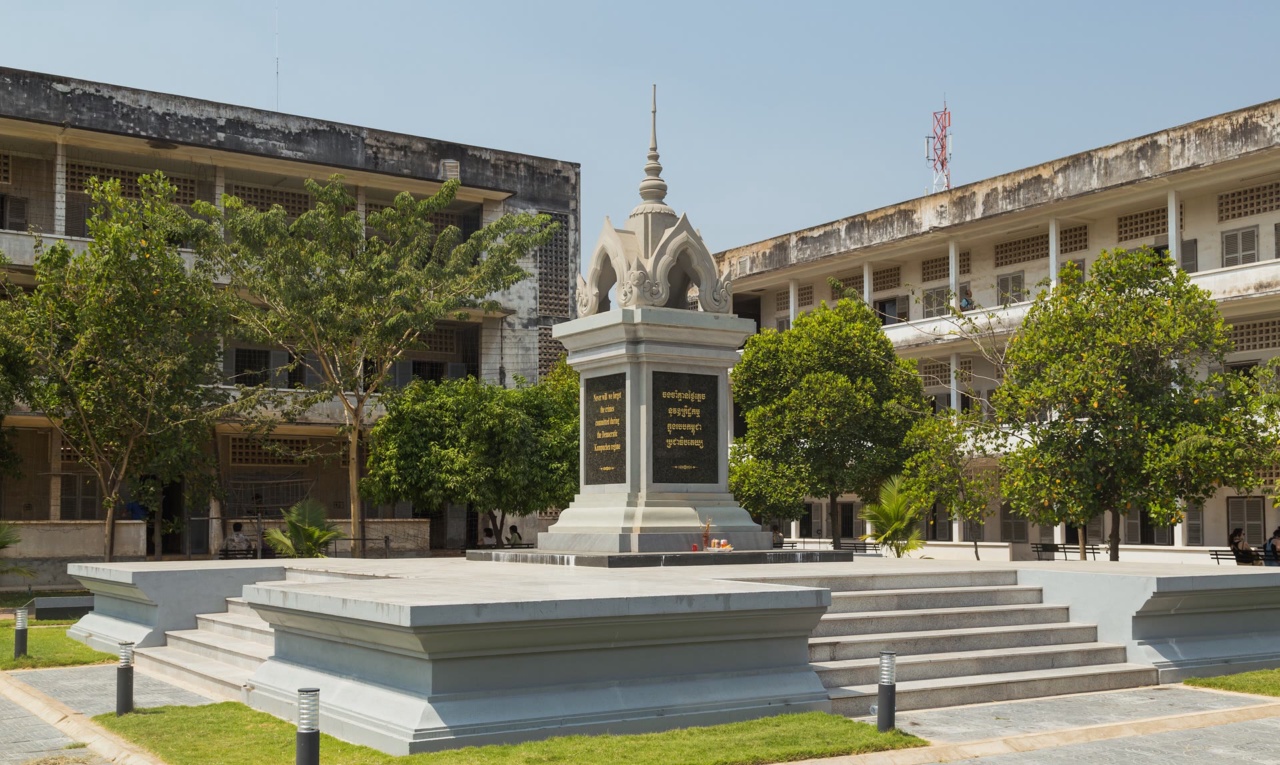
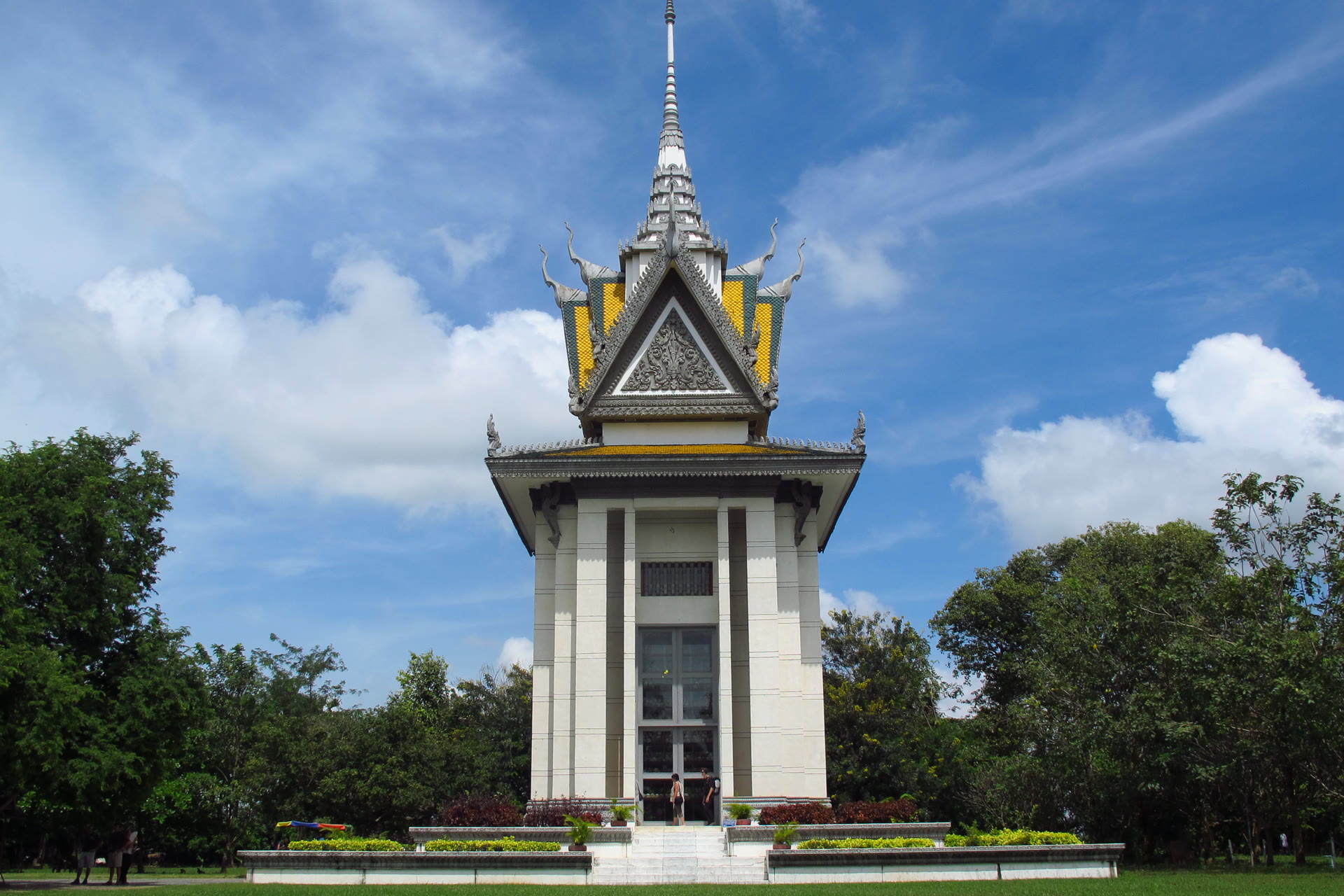
Visiting Choeung Ek is not a comfortable experience. It is not meant to be. The remains of 8,985 people were exhumed from mass graves here, and more than 8,000 skulls are displayed behind glass panels in the memorial stupa at the center of the site. Fragments of bone and cloth still surface from the earth after heavy rains. This is a place that demands something of its visitors - patience, respect, and a willingness to confront one of the darkest chapters in modern history.
Most visitors combine Choeung Ek with Tuol Sleng (S-21), the former high school in central Phnom Penh that the Khmer Rouge converted into a torture prison. Together, these two sites tell a complete and devastating story. Understanding what happened here is not optional for anyone who wants to truly understand Cambodia - its resilience, its warmth, and the weight that this country still carries.
What Happened at Choeung Ek
During the Khmer Rouge years, prisoners from Tuol Sleng and other detention centers across the country were transported to Choeung Ek in covered trucks, typically at night. They were told they were being relocated. Instead, they were led to the edges of mass graves, blindfolded, and executed. Bullets were considered too expensive, so the killers used agricultural tools, sharpened bamboo, and the trunks of palm trees.
An estimated 17,000 people were killed at this single site. The victims included men, women, children, infants, intellectuals, former government officials, monks, and ethnic minorities. Many had been tortured into false confessions at S-21 before being sent here. Of the roughly 20,000 people imprisoned at S-21, only seven survived.
After the fall of the Khmer Rouge, 129 mass graves were discovered at Choeung Ek. Of these, 43 remain undisturbed. The site was preserved as a memorial, and the Buddhist stupa filled with skulls was erected in 1988 to honor the victims.
Things to Do
What You Will See
The Memorial Stupa
The centerpiece of Choeung Ek is the 17-level glass memorial stupa. Inside, more than 8,000 skulls are arranged on shelves behind clear acrylic panels, organized by age and sex. Many bear visible fractures and holes from the instruments used to kill them. The stupa is both a Buddhist shrine and a monument to remembrance. Visitors are asked to remove their shoes before entering.
The Mass Graves
A walking path leads visitors around the excavated mass graves, now sunken rectangular depressions in the earth surrounded by grass. Signs at each grave describe what was found - the number of bodies, whether they were headless, whether the victims were women or children. One grave contained 450 bodies. The ground around the graves is uneven, and after the rainy season, bone fragments, teeth, and scraps of clothing still work their way to the surface. Staff collect these remains regularly and add them to the memorial.
The Killing Tree
One of the most harrowing sites is a large tree near a mass grave of women and children. This is where executioners killed infants and small children by striking them against the trunk. The tree is now draped in memorial bracelets left by visitors. No amount of reading prepares you for standing in front of it.
The Magic Tree
A tall tree near the entrance was used to hang loudspeakers that blared revolutionary music and propaganda to mask the screams of those being executed. The tree still stands, marked by a sign explaining its grim purpose.
The Audio Guide
The audio guide included with admission is one of the best-produced museum audio tours in Southeast Asia. Available in 16 languages, it leads visitors through the site with a combination of historical narration, survivor testimony, and accounts from former Khmer Rouge guards. One of the most chilling segments features Him Huy, a former guard and executioner at Choeung Ek, describing the methods used to kill prisoners.
The audio guide takes about 60 to 90 minutes to complete at a normal pace. It is designed to be followed in order, with numbered stops corresponding to locations throughout the site. Using it transforms the visit from a walk through a field into a deeply personal and educational experience. Do not skip it.
Tuol Sleng Genocide Museum (S-21)
Most visitors pair Choeung Ek with Tuol Sleng, and this is the recommended approach. Visiting S-21 first provides the context that makes Choeung Ek even more powerful.
Tuol Sleng was a high school that the Khmer Rouge converted into Security Prison 21, the regime's primary interrogation and torture facility. The classrooms were divided into tiny cells or left as large rooms where prisoners were shackled to iron beds. Thousands of mugshot photographs of prisoners line the walls - men, women, and children staring into the camera with expressions that range from terror to blank resignation.
Admission to Tuol Sleng is $5, with an additional $3 for the audio guide (also highly recommended). The museum is located in central Phnom Penh on Street 113, easily accessible by tuk-tuk. It is open daily from 8:00 AM to 5:00 PM.
How to Get There
By Tuk-Tuk
The most common way to visit both sites is by hiring a tuk-tuk for a half day. A tuk-tuk driver who takes you to both Tuol Sleng and Choeung Ek, waits at each location, and returns you to your hotel typically charges between $15 and $25 for the entire trip. Negotiate the price before departing and confirm that the driver understands you want to visit both sites.
By Tour
Organized tours are available through most hotels, guesthouses, and booking platforms. A typical guided half-day tour costs around $18 per person including transport, guide, water, and snacks, with entrance fees paid separately. The Phnom Penh Hop On Hop Off shuttle service runs morning departures at 8:00 AM and afternoon departures at 1:30 PM, with hotel pickup included.
By Motorbike or Taxi
Ride-hailing apps like Grab and PassApp operate in Phnom Penh and can take you to Choeung Ek for a few dollars. A Grab ride from the city center to Choeung Ek costs roughly $4 to $6 one way. The return can be trickier since drivers are less available at the site, so arranging a tuk-tuk for the round trip is often more reliable.
Practical Information
| Detail | Choeung Ek | Tuol Sleng (S-21) |
|---|---|---|
| Admission | $6 (includes audio guide) | $5 (audio guide $3 extra) |
| Opening hours | 8:00 AM - 5:30 PM daily | 8:00 AM - 5:00 PM daily |
| Time needed | 60 - 90 minutes | 60 - 90 minutes |
| Location | 15 km south of central Phnom Penh | Central Phnom Penh, Street 113 |
| Payment | Cash only (USD or riel) | Cash only (USD or riel) |
Tips for Visiting the Killing Fields
This is a memorial site, not a tourist attraction. How you prepare and conduct yourself matters.
- Visit Tuol Sleng first. The S-21 museum provides essential context about the Khmer Rouge's system of arrest, interrogation, and execution. Seeing the prison first makes the killing fields far more impactful. Start your morning at Tuol Sleng, then continue to Choeung Ek.
- Dress respectfully. Cover your shoulders, back, and knees. Sleeveless tops, crop tops, and short shorts are not permitted. This is both a memorial and a Buddhist site, and the dress code is enforced.
- Use the audio guide. It is included with your Choeung Ek admission and is genuinely excellent. Without it, the site is a field with some signs. With it, every stop becomes a story that stays with you.
- Allow enough time. Budget at least four hours for both sites combined, including transport. Rushing through either one diminishes the experience and is disrespectful to the memory of the victims.
- Go early in the morning. The site is less crowded and the heat is more manageable before midday. Starting at Tuol Sleng at 8:00 AM gives you a quiet, reflective start before tour groups arrive.
- Prepare emotionally. The content is graphic and deeply upsetting. The skulls, the photographs, the killing tree, and the audio testimonies are confronting. It is normal to feel overwhelmed. Take breaks if needed.
- Do not touch or take anything. Bone fragments and cloth that surface from the ground must not be disturbed. Respect the site as you would any cemetery or sacred place.
- Talk to Cambodians about it. Many Cambodians alive today lost family members during the Khmer Rouge era. If your tuk-tuk driver or guesthouse host wants to share their family's experience, listen. These personal connections add a dimension that no museum can provide.
The Killing Fields are not easy to visit, but they are essential. Cambodia's recovery from the Khmer Rouge era is one of the most remarkable stories of resilience in modern history, and understanding what the country survived makes every other experience in Cambodia richer and more meaningful. For more on Cambodia's must-visit destinations, GoAsia.cc has guides covering the country from Angkor to the coast.
Frequently Asked Questions
The Killing Fields refer to Choeung Ek Genocidal Centre, located 15 km south of Phnom Penh. It was the largest execution site used by the Khmer Rouge regime, where an estimated 17,000 people were killed between 1975 and 1979. Today it serves as a memorial with a stupa containing over 8,000 skulls recovered from mass graves on the site.
Choeung Ek admission is $6, which includes the audio guide. Tuol Sleng costs $5, with an optional audio guide for $3 extra. Both accept cash only in USD or Cambodian riel. A tuk-tuk for both sites runs $15 to $25 for the half day.
Hire a tuk-tuk for a half day and start at Tuol Sleng in central Phnom Penh at opening time (8:00 AM). Spend about 90 minutes there, then have your driver take you to Choeung Ek, about 30 to 40 minutes away. The entire circuit takes roughly four to five hours including transport and time at both sites.
Visit Tuol Sleng (S-21) first. The prison museum explains the systematic process of arrest, interrogation, and forced confession that preceded execution. Understanding what prisoners endured at S-21 makes the Killing Fields visit far more powerful and contextually complete.
Absolutely, and it is included with your admission fee. The audio guide features survivor testimonies, historical narration, and accounts from a former guard. It transforms the visit from a walk through a field into a deeply moving experience. Plan 60 to 90 minutes to complete the full tour at a thoughtful pace.
Cover your shoulders, back, and knees. The dress code prohibits sleeveless shirts, crop tops, skin-tight clothing, and shorts above the knee. This applies to both Choeung Ek and Tuol Sleng. Bring a scarf or light cover-up if your regular travel clothes are too revealing.
This is a personal decision that depends on the child's age and maturity. The content is graphic - skulls are displayed openly, and the audio guide describes execution methods in detail. Most families with younger children skip these sites or visit only Tuol Sleng, which is confronting but less viscerally disturbing than Choeung Ek.
There are over 300 killing field sites across Cambodia, but Choeung Ek is the largest and best-preserved memorial. Other notable sites include Phnom Sampeau near Battambang, which has killing caves and a memorial. Choeung Ek remains the most visited and most thoroughly documented site for understanding the genocide.