Plan your Indonesia van travel with this guide covering shuttle routes, comfort classes, booking tips, and what to expect on board across the archipelago.
Indonesia's sprawling archipelago, with its volcanic peaks, terraced rice paddies, and winding coastal roads, is stitched together at the local level not by trains or planes but by vans. From the cramped but cheerful angkot minivans that rattle through Javanese cities to the air-conditioned shuttle vans ferrying surfers between Balinese beach towns, van travel is woven into the daily rhythm of Indonesian life. For travelers willing to embrace a slower, more immersive pace, hopping into a van opens up corners of the country that bigger transport simply cannot reach.
Riding a van in Indonesia is more than a way to get from A to B. It is a front-row seat to the country's landscapes and social fabric, where chickens may share the aisle with schoolchildren, where the driver's favorite dangdut playlist sets the soundtrack, and where a stranger might hand you a bag of fried bananas just because you look hungry.
The Van Network in Indonesia
Indonesia's van network is vast but decentralized, operating under a patchwork of local names, operators, and customs that vary from island to island. The most common form is the travel van (often simply called "travel"), a door-to-door or point-to-point shuttle service using minivans or multi-purpose vehicles. These services connect cities and towns across Sumatra, Java, Bali, Lombok, Flores, and Sulawesi, often filling gaps where buses are infrequent or train lines do not exist.
On Sumatra, travel vans are a common way to travel between towns such as Medan, Bukittinggi, and Padang along mountainous roads. In Bali, shared and private shuttle vans serve the tourist corridor between Kuta, Ubud, Sanur, and Amed.[1] On Flores, vans and minibuses are a common way to travel along the Trans-Flores Highway between Labuan Bajo and Ende, passing through some of Indonesia's most dramatic scenery.
Major operators include Perama Tour, a tourist shuttle operator serving Bali and Lombok towns such as Senggigi,[1] and many regional companies. In cities, the angkot (angkutan kota) system provides fixed-route minivan transport, though these are being gradually supplemented by ride-hailing apps in larger urban areas.
Classes and Comfort Levels
Van travel in Indonesia falls into roughly three tiers of comfort, and choosing the right one can make or break your journey.
Type
Vehicle
Air Conditioning
Best For
Angkot / Public Minivan
Large shared minivan
Rarely
Short urban or peri-urban hops
Travel Van (Standard)
Shared minivan or MPV
Usually yes
Intercity routes, budget travelers
Private / Tourist Shuttle
Small group vehicle
Yes
Tourist corridors, comfort seekers
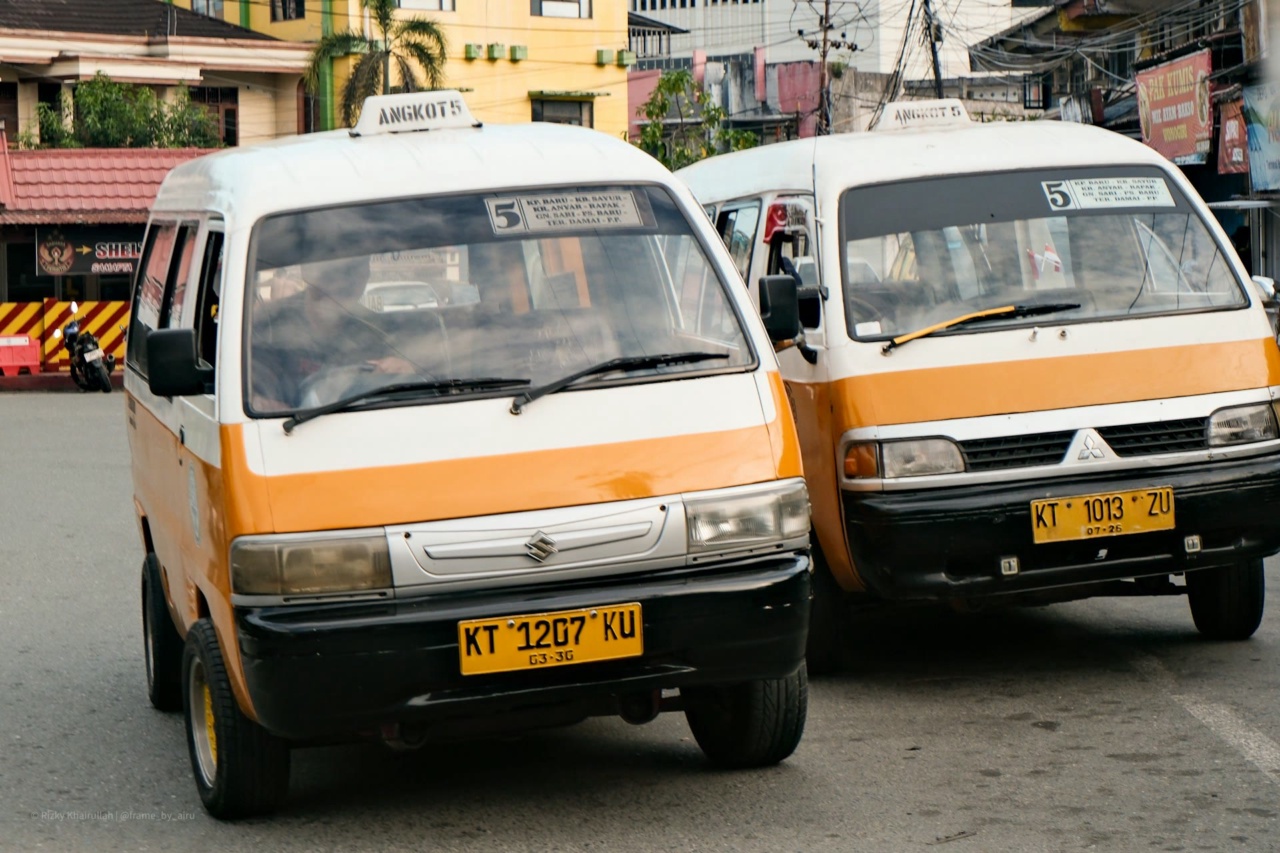
Angkot minivans are the most basic option: open windows, bench seating, no fixed schedule. They depart when full and stop anywhere a passenger waves them down. They are incredibly affordable but best suited for short distances.
Orange angkot minivans on a street in IndonesiaPhoto: Airu / Unsplash
Standard travel vans offer a significant step up. Typical vehicles include Toyota Avanza, Innova, or Mitsubishi L300 minivans, usually with air conditioning and reasonably padded seats. Legroom can be tight, especially in the rear rows, so requesting a front seat is a smart move. These services typically pick you up from your hotel or a central meeting point and drop you at your destination.
Tourist shuttle vans operated by companies like Perama or booked through travel agencies tend to use newer vehicles, offer more reliable departure times, and sometimes include a bottle of water. They cost more but provide a smoother, more predictable experience.
Booking and Tickets
How you book depends on the type of van. For angkot, there is no booking at all - you simply flag one down on the street and pay the driver or conductor directly in cash. For intercity travel vans, you have several options:
Walk-in booking: Visit a travel van office (agen travel) in town. These are found near bus terminals, markets, or main roads in most Indonesian cities. You can usually book a seat for the same day or the next morning.
Phone or WhatsApp: Many local operators accept bookings via phone call or WhatsApp message. Your guesthouse or hotel reception can often arrange this for you.
Online platforms: Aggregator websites and apps let you search and compare van shuttle services across popular routes. GoAsia.cc is a useful starting point for comparing travel van options alongside other transport modes for your Indonesian itinerary.
Advance booking is recommended for popular tourist routes (especially Bali shuttles and the Flores corridor) and during Indonesian holidays like Lebaran, when domestic travel surges and seats can vanish days in advance.[2] For less touristed routes, booking the evening before is usually sufficient.
Payment is predominantly cash for local operators, though tourist shuttles and online bookings increasingly accept credit cards or bank transfers. Always carry smaller denomination rupiah notes, as drivers rarely have change for large bills.
What to Expect on Board
The van experience in Indonesia is defined by proximity - to other passengers, to the landscape, and to the unpredictable realities of Indonesian roads. Journeys that look short on a map can take far longer than expected due to narrow mountain roads, frequent stops, and the occasional goat crossing.
On scenic routes like the Trans-Flores Highway or the road from Medan to Lake Toba, the views are extraordinary: volcanic calderas, jungle-draped valleys, and turquoise coastlines unfold outside the window. Drivers often stop at scenic viewpoints or roadside warungs (food stalls) for breaks, giving you a chance to stretch your legs and grab a plate of nasi goreng or a cup of kopi tubruk.
Luggage is typically stored on a roof rack or in the rear cargo area. Keep valuables and essentials in a small daypack on your lap. Most vans do not have Wi-Fi or charging ports, so bring a portable power bank and download entertainment or maps offline before departure.
Air conditioning, when available, tends to run at full blast. Indonesians often prefer the van ice-cold, so bringing a light layer is wise even in tropical heat. Motion sickness is common on winding mountain roads, particularly in Sumatra and Flores - sit near the front and have medication handy if you are prone to it.
Culturally, van travel is a social experience. Indonesians are famously friendly and curious, and sharing a van often leads to conversations, shared snacks, and impromptu language lessons. A few words of Bahasa Indonesia - terima kasih (thank you), berapa? (how much?), di mana? (where?) - go a long way toward building rapport.
Tips for Van Travel in Indonesia
Negotiate before boarding angkot: Ask a local or your hotel about the standard fare for your route before getting in. Overcharging tourists is not rampant but does happen, especially in tourist areas.
Depart early: Many travel vans leave in the morning. Early departures mean cooler temperatures, less traffic, and arrival before dark - important on roads without streetlights.
Expect delays: Indonesian van services often wait until the vehicle is full before departing. Build buffer time into your itinerary and avoid booking onward connections too tightly.
Bring snacks and water: While roadside stops are common, they are not guaranteed. Carry enough water and light food for the journey, especially on longer routes.
Watch for holiday surges: During Lebaran (Eid al-Fitr) travel demand surges across the country,[2] and around Christmas in Christian-majority areas like Flores and Nyepi in Bali, van services can be packed too. Book well ahead and expect higher fares.
Use ride-hailing for urban trips: In Jakarta, Surabaya, Medan, Makassar, and other major cities, ride-hailing apps such as Gojek and Grab offer rides that are often more comfortable and transparent in pricing than angkot for getting around town.[3]
Confirm the route: Some travel van services make multiple detours to pick up or drop off passengers. Confirm with the driver or agent whether the service is direct or multi-stop so you can plan accordingly.
Stay safe on mountain roads: If your driver is going too fast on winding roads, it is perfectly acceptable to politely ask them to slow down. Your safety matters more than arrival time.
Sources and background
Numbers in the text such as [1] refer to these sources.