Vietnam's misty highland retreat sits at 1,500 meters in the Central Highlands, offering cool pine-scented air, French colonial charm, and some of the country's most adventurous outdoor activities.
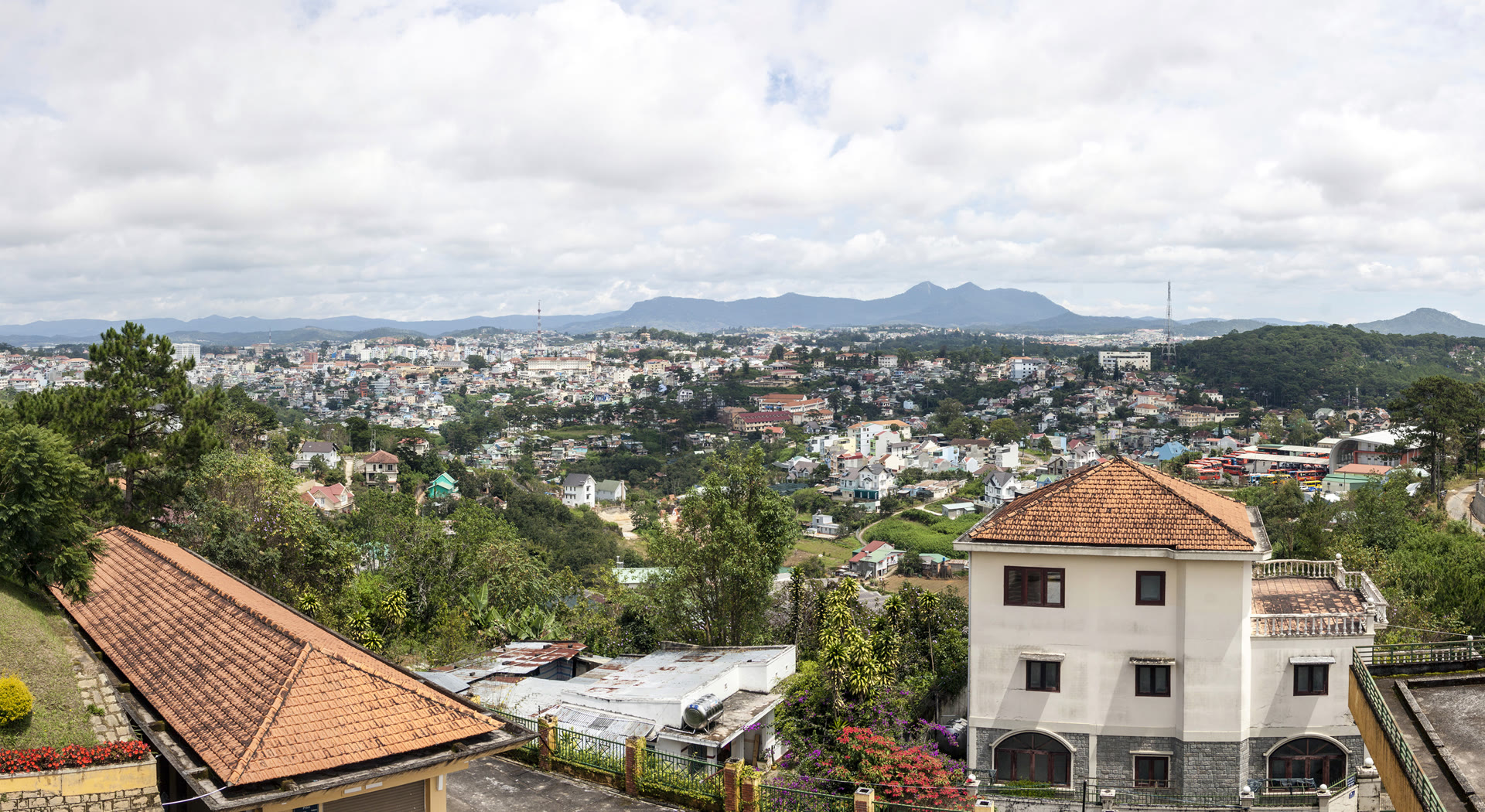
The first thing you notice stepping off the bus in Da Lat is the air. After weeks of sweating through Ho Chi Minh City or the coastal lowlands, the cool mountain breeze hits like a gift. Pine trees line the hillsides, mist rolls through valleys in the early morning, and the temperature rarely climbs above 25 degrees Celsius. Vietnamese honeymooners have known this for decades, calling Da Lat the "City of Eternal Spring" and the "City of Love" with equal affection.
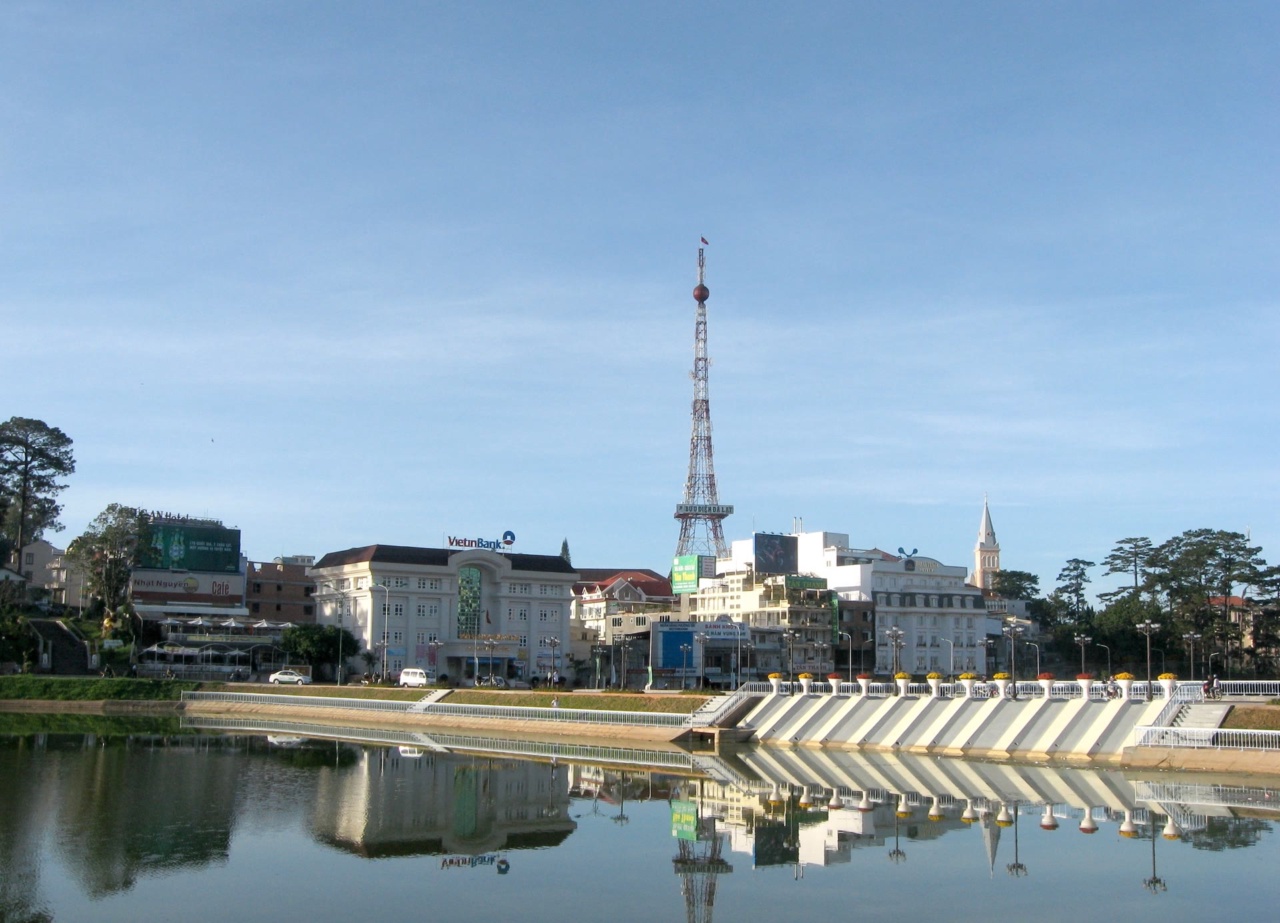
Built as a hill station by the French in the early twentieth century, Da Lat still carries that colonial DNA in its architecture, its wide boulevards, and the vaguely European feel of its central lake. But this is no museum piece. The city pulses with a young, creative energy fueled by coffee culture, adventure tourism, and a night market that transforms the center every evening. Canyoning down waterfalls, mountain biking through pine forests, and exploring abandoned buildings have replaced the sedate pleasures of the colonial era.
Da Lat also happens to sit in one of Vietnam's most productive agricultural zones. The cool climate supports strawberry farms, artichoke fields, avocado orchards, and some of the best coffee plantations in the country. This agricultural abundance feeds directly into the local food scene, which punches far above its weight for a city of roughly 400,000 people.
Whether you arrive from the coast or fly in from Hanoi, Da Lat rewards at least three days. It is a city best explored slowly, with a warm jacket in your bag and an appetite for both adventure and quiet contemplation.
Orientation and Neighborhoods
Da Lat sprawls across a series of hills surrounding Xuan Huong Lake, the heart of the city. The lake serves as your primary landmark, with most hotels, restaurants, and attractions within a few kilometers of its shores.
Central Da Lat (around Xuan Huong Lake): This is where you will find the famous night market, the main commercial streets, and the densest concentration of hotels. It is the most convenient base, walkable to many sights, and ideal for first-time visitors.
Ward 3 and the Coffee District: Southwest of the lake, the streets climbing into the hills host many of Da Lat's best specialty coffee shops and boutique homestays. This area feels quieter and more residential, appealing to travelers who want atmosphere over convenience.
Tuyen Lam Lake Area: About seven kilometers south of the center, this area around the larger lake offers resort-style accommodation surrounded by pine forests. Great for couples seeking seclusion but requires a motorbike or taxi to reach restaurants and sights.
North Da Lat (toward the flower farms): Budget guesthouses and homestays cluster along the roads heading north toward the agricultural areas. Staying here puts you closer to nature but further from nightlife and dining.
The city is hilly enough that walking between neighborhoods can be tiring. Most visitors either rent a motorbike, use a ride-hailing app, or arrange tours to connect the scattered attractions.
Things to Do
Offers are only loaded from GetYourGuide after you click. GetYourGuide can then process your IP address and set cookies. Privacy Policy
GetYourGuide partner offers. GoAsia may earn a commission if you book through these offers. Check whether tickets or transfers are included, and follow the attraction's official booking and admission rules.
Best Time to Visit
Da Lat's elevation means it never gets truly hot, but the seasons still matter for trip planning.
Season
Months
Weather
Crowds
Prices
Dry Season
November - March
Cool and clear, 15-24C, occasional fog
Moderate to high
Moderate
Transition
April - May
Warming, some rain, wildflowers bloom
Low
Low
Rainy Season
June - October
Afternoon downpours, lush greenery, 17-25C
Low (except July-Aug)
Low
Peak Holiday
Late December - early January, Lunar New Year
Cool and dry
Very high (domestic tourists)
High
The sweet spot is November through March, when skies are clearest and temperatures are pleasantly cool. Pack layers, as mornings and evenings can drop to 10-15 degrees Celsius. The rainy season is not a dealbreaker since storms usually pass within an hour or two, and the landscape turns brilliantly green. Avoid Lunar New Year (Tet) and Vietnamese public holidays unless you book well in advance, as Da Lat is one of the most popular domestic vacation destinations and prices can double.
The Da Lat Flower Festival, held roughly every two years, transforms the city center with elaborate floral displays and is worth catching if your dates align.
Getting There and Getting Around
Lien Khuong Airport is about 30 kilometers from the city center.[1] Vietnam Airlines lists flights from Ho Chi Minh City in 55 minutes and from Hanoi in 2 hours 5 minutes, with one or two flights a day on each route.[1] From the airport you can take a taxi, a bus from the main gate or a motorbike.[1] Grab also works at the airport and is usually the most transparent option.
Many travelers arrive by bus from Ho Chi Minh City, Nha Trang, or Mui Ne. FUTA Bus Lines lists the Ho Chi Minh City to Da Lat route at 310 km, 8 hours and VND 300,000.[2] The bus ride from Nha Trang is famously scenic, winding through mountain passes. You can check bus routes and schedules on GoAsia.cc for the most current options.
Getting around the city: Renting a motorbike is the most popular and practical option, costing around $5-8 per day for an automatic scooter. The hilly terrain and occasional fog require caution, especially for inexperienced riders. Grab is widely available and affordable, with most rides within the city costing $1-3. Walking is pleasant around the lake and central area but impractical for reaching waterfalls and outlying attractions. There is no public bus network worth relying on for tourists.
Top Sights and Experiences
Must-See Attractions
Canyoning with Dalat Adventure Tours: Da Lat's signature adrenaline experience involves rappelling down waterfalls, cliff jumping into natural pools, and sliding down rock chutes in the jungle outside the city. Half-day trips cost around $35-50 per person and are suitable for beginners. This is genuinely one of the best adventure activities in all of Southeast Asia and should not be missed if you have any appetite for thrills.
Da Lat Night Market: Every evening, the streets around the central market transform into a dense, aromatic maze of food stalls, clothing vendors, and flower sellers. The real draw is the food, from grilled rice paper (banh trang nuong) to strawberry smoothies to sizzling Vietnamese pizza. Allow at least an hour to graze your way through. Arrive around 6 PM before the biggest crowds.
Bao Dai Summer Palace: The last Vietnamese emperor's highland retreat is a surprisingly modest Art Deco building with original furnishings and personal artifacts. The palace offers genuine historical insight into Vietnam's final monarchy. Entry costs around $1.50 and you need about 45 minutes.
Xuan Huong Lake: The city's centerpiece is best enjoyed on an early morning walk or a late afternoon stroll when mist hangs over the water. You can rent a swan pedal boat for around $3-5, which is cheesy but oddly charming. The lakeside path connects several parks and the Da Lat Flower Garden.
Langbiang Mountain: About 12 kilometers north of the city, this twin-peaked mountain offers the best panoramic views in the region. You can take a jeep to the lower peak (around $5 per person) or hike to the higher peak (roughly two to three hours round trip, moderate difficulty). Go early morning for the clearest views.
Hidden Gems
Elephant Waterfall (Thac Voi): Located about 30 kilometers southwest of Da Lat, this powerful waterfall is less touristed than the closer options. You can scramble down mossy rocks right to the base of the falls, which feels genuinely wild. The access path is slippery, so wear proper shoes.
Da Lat Train Station: This gorgeous Art Deco station from the 1930s is one of the most photogenic buildings in Vietnam. A short tourist train runs about seven kilometers to the village of Trai Mat, passing through pine forests and vegetable farms. The ride costs around $3 and takes about 30 minutes each way.
Specialty Coffee Exploration: Da Lat is the capital of Vietnamese arabica coffee, and a new wave of specialty roasters has transformed the scene. Seek out small roasteries in Ward 3 and along Bui Thi Xuan street where you can taste single-origin pour-overs for around $2-3. This is a world apart from the condensed-milk-laden ca phe sua da of the lowlands.
Abandoned Quarry Lake (Ho Tuyen Lam area): Several flooded former quarries in the hills south of town have become unofficial swimming and photography spots. Ask locals or your homestay host for directions, as these are not on any tourist map.
Overrated Attractions
Crazy House (Hang Nga Guesthouse): This Gaudi-inspired building gets enormous hype, but the reality is a cramped, confusing maze with steep stairs, crowds of selfie-takers, and an entry fee of around $3. It is architecturally interesting for about 20 minutes, but many visitors leave feeling underwhelmed. Worth a quick look if you are nearby, but do not build your day around it.
Valley of Love (Thung Lung Tinh Yeu): This kitschy park aimed at Vietnamese honeymooners features heart-shaped topiary, paddle boats, and costumed photo opportunities. Unless you find genuine joy in posing with giant fiberglass swans, skip it. The entry fee of around $3 buys you little of substance.
Datanla Waterfall: The waterfall itself is modest, and the main draw is a touristy alpine coaster ride. It is fine for families with kids but overpriced and overcrowded for adult travelers seeking nature. The canyoning experience is a far superior way to experience Da Lat's waterfalls.
Food and Drink
Da Lat's food scene is exceptional, drawing on the cool-climate produce that grows nowhere else in Vietnam and a local culinary tradition shaped by both highland culture and French colonial influence.
Signature Dishes
Dish
Description
Where to Try
Typical Price
Banh Trang Nuong
Grilled rice paper topped with egg, scallion, dried shrimp, and chili sauce - Da Lat's iconic street snack
Night market stalls
$0.50-1
Banh Can
Tiny crispy rice cakes cooked in clay molds, served with dipping sauce and various toppings
Morning stalls near the central market
$1-2 for a set
Banh Mi Xiu Mai
Baguette served alongside a bowl of meatballs in tomato sauce - a French-Vietnamese fusion unique to Da Lat
Shops along Ngo Quyen and Phan Dinh Phung streets
$1-1.50
Lau Ga La E
Chicken hotpot with e leaves, a fragrant herb that grows in the highlands
Hotpot restaurants on the outskirts of town
$5-8 for two people
Nem Nuong
Grilled pork sausage wrapped in rice paper with herbs and vegetables
Dedicated nem nuong restaurants throughout the city
$2-3
Avocado Ice Cream
Creamy, rich, and made from locally grown avocados, often blended with condensed milk
Night market and dessert shops
$0.75-1.50
Artichoke Tea
A mildly sweet herbal tea made from locally grown artichokes, served hot or cold
Tea shops and the central market
$0.50-1
The night market is the epicenter of Da Lat street food. Start with banh trang nuong and work your way through grilled corn, soy milk, strawberry jam crepes, and skewered meats. For sit-down meals, the streets radiating from the central market offer everything from pho to hotpot. The area around Truong Cong Dinh street has developed into a small restaurant row with Vietnamese, Korean, and Western options.
Budget meals at local eateries cost around $1-3. A mid-range restaurant dinner runs $5-10 per person. Upscale dining exists but is limited; expect to pay $15-25 at the handful of higher-end spots, which often feature French-Vietnamese fusion menus.
Coffee deserves special mention. Beyond the specialty roasters, Da Lat is home to weasel coffee (ca phe chon), made from beans that have passed through civet cats. The authentic version is expensive (around $5-10 per cup) and ethically questionable due to caged civet farming. Stick to the excellent arabica pour-overs instead.
Where to Stay
Budget (under $15 per night): Da Lat has an outstanding hostel and homestay scene. Dorm beds in clean, social hostels near the center cost $5-8. Private rooms in family-run homestays, often with mountain views and homemade breakfast, run $10-15. The area north of the lake and along Phan Dinh Phung street has the highest concentration of budget options.
Mid-Range ($20-60 per night): Boutique hotels and well-designed homestays dominate this bracket. Many occupy French-era villas that have been tastefully renovated, offering atmospheric rooms with fireplaces or balconies overlooking pine forests. Ward 3 and the streets south of the lake are particularly good hunting grounds for these properties.
Upscale ($60-150+ per night): Several resort properties sit around Tuyen Lam Lake and in the hills surrounding the city, offering spa facilities, golf courses, and secluded forest settings. The Ana Mandara Villas complex occupies restored French colonial villas and is the most distinctive luxury option. A handful of newer boutique properties in the center offer design-forward rooms at the lower end of this range.
Da Lat also has a unique accommodation type: the greenhouse homestay. Several properties in the agricultural areas north of the city let you sleep in or adjacent to actual greenhouses, surrounded by flower farms. It is a quirky, photogenic experience that costs around $15-30 per night.
Practical Tips
Da Lat is one of the safest cities in Vietnam for tourists. Violent crime is extremely rare, and the relaxed highland atmosphere extends to personal security. That said, keep standard precautions in mind.
Motorbike safety: The biggest risk in Da Lat is motorbike accidents. Hilly roads, morning fog, and unfamiliar terrain catch out many travelers. Wear a helmet, drive slowly on descents, and avoid riding at night if possible.
Petty theft: Phone snatching is uncommon here compared to Ho Chi Minh City, but keep valuables secure at the night market where crowds are dense.
Weather preparedness: Temperatures can drop sharply in the evening, especially from November to February. Bring a warm jacket or buy one cheaply at the night market. Rain can arrive suddenly, so carry a light poncho.
Payment: Cash is king in Da Lat. Most street food vendors, small restaurants, and local shops only accept Vietnamese dong. ATMs are plentiful around the lake area. Mid-range and upscale hotels accept cards, but carry cash for daily expenses. Tipping is not expected but appreciated at restaurants serving tourists; rounding up the bill is sufficient.
Internet and SIM cards: Wi-Fi is reliable at most hotels and cafes. A local SIM card with data costs around $3-5 from Viettel, Mobifone, or Vinaphone shops and provides excellent coverage throughout the city and surrounding highlands.
Language: English is spoken at hotels, tour agencies, and some restaurants in the tourist center, but far less widely than in Ho Chi Minh City or Hanoi. Learning a few Vietnamese phrases goes a long way. Google Translate's camera function is invaluable for menus and signs.
Cultural notes: Da Lat is conservative compared to Saigon. Dress modestly when visiting pagodas or temples, covering shoulders and knees. The city has a strong domestic tourism culture, so you may be the only foreigner at many attractions, which is part of the charm. Vietnamese tourists are generally friendly and may want photos with you.
Day Trips
Elephant Waterfall and Linh An Pagoda (30 km southwest, 45 minutes by motorbike): Combine the powerful Elephant Waterfall with the nearby pagoda featuring a massive Happy Buddha statue. The waterfall is best visited in the morning before tour groups arrive. Half a day is sufficient for both.
Ta Nung Pass and Golden Valley (west of the city): This scenic mountain pass offers dramatic views of the Central Highlands. Continue to the Golden Valley for a quieter waterfall experience and pine forest walks. The road itself is half the attraction, winding through coffee plantations and minority villages.
Bidoup Nui Ba National Park (north of the city, allow about 1.5 hours each way): This national park of about 70,000 hectares is the core zone of the UNESCO-recognized Langbiang Biosphere Reserve and protects montane forests home to rare birds and primates.[3] Guided treks range from easy nature walks to challenging full-day hikes. Entry costs around $3 plus guide fees. This is the best option for serious hikers and birdwatchers.
Pongour Waterfall (50 km south, 1 hour): One of the most impressive waterfalls in the region, Pongour is a wide, multi-tiered cascade surrounded by forest. It is less developed than closer waterfalls, which is both its appeal and its limitation. Visit during or just after the rainy season for maximum flow.
K'Ho Minority Villages (various locations, 15-40 km): Several K'Ho ethnic minority communities in the surrounding highlands welcome visitors. Some offer coffee farm tours, traditional weaving demonstrations, and homestay experiences. Go with a local guide who has genuine community connections rather than a large tour operator.
Sample 3-Day Itinerary
Day 1: City Center and Culture
Morning: Start with banh can breakfast near the central market. Walk around Xuan Huong Lake in the cool morning air, then visit the Da Lat Flower Garden (about one hour, entry around $1.50). Continue to the Da Lat Train Station for photos and optionally take the short train to Trai Mat village.
Afternoon: Visit Bao Dai Summer Palace for historical context, then explore the Crazy House for a quick 20-minute walk-through. Head to a specialty coffee shop in Ward 3 for an afternoon pour-over and some downtime.
Evening: Dive into the night market. Eat banh trang nuong, try the avocado ice cream, browse the stalls, and soak up the atmosphere. End with a warm soy milk from a street vendor as the mountain air cools.
Day 2: Adventure Day
Morning: Join a half-day canyoning trip (book the day before through a reputable operator). You will spend four to five hours rappelling waterfalls, cliff jumping, and scrambling through jungle. Lunch is usually included.
Afternoon: Return to town for a late lunch of banh mi xiu mai. Rest at your hotel, or if energy permits, rent a motorbike and ride to one of the scenic viewpoints south of the city around Tuyen Lam Lake.
Evening: Book a table at a hotpot restaurant for lau ga la e (chicken hotpot with e leaves), ideally one on the outskirts where the mountain views complement the meal. The communal, slow-paced dining style is perfect after an active day.
Day 3: Nature and Day Trip
Morning: Rise early and ride to Langbiang Mountain. Hike to the upper peak for panoramic sunrise views over the highlands (start by 6 AM for the best light). The hike takes about 1.5 hours up.
Afternoon: Drive to Elephant Waterfall, scramble down to the base, and visit Linh An Pagoda nearby. On the return, stop at a roadside coffee farm for a tour and tasting.
Evening: Final night market run for any dishes you missed. Pick up artichoke tea and local coffee as souvenirs from the market vendors. Many overnight buses depart Da Lat in the evening, so you can head out after dinner if needed.
Budget Overview
Category
Budget
Mid-Range
Comfort
Accommodation
$5-10
$20-40
$60-120
Food
$5-8
$10-18
$20-35
Transport
$3-5 (motorbike rental)
$5-10 (Grab rides)
$15-25 (private car/driver)
Activities
$5-10
$15-35
$40-60
Daily Total
$18-33
$50-103
$135-240
Da Lat is remarkably affordable even by Vietnamese standards. Budget travelers can eat well, stay comfortably, and see the main sights for under $30 per day. The biggest single expense is likely the canyoning trip, which is worth every dollar. Souvenirs like locally grown coffee, artichoke tea, dried fruits, and strawberry jam are cheap and make excellent gifts.
Frequently Asked Questions
Is Da Lat worth visiting?
Absolutely. Da Lat offers a completely different experience from the rest of Vietnam, with cool mountain weather, outstanding food, world-class canyoning, and a charming colonial atmosphere. It is especially rewarding if you have been traveling through the hot lowlands and need a refreshing change of pace.
How many days do you need in Da Lat?
Three days is the sweet spot for covering the main sights, doing a canyoning trip, and exploring the food scene without rushing. If you want to add serious hiking in Bidoup Nui Ba National Park or spend more time exploring coffee farms, four to five days is ideal.
Is Da Lat safe for tourists?
Da Lat is one of the safest cities in Vietnam. Violent crime against tourists is virtually unheard of, and even petty theft is less common than in larger cities. The main safety concern is motorbike accidents on the hilly, sometimes foggy roads.
What food is Da Lat famous for?
Da Lat is famous for banh trang nuong (grilled rice paper), banh can (mini crispy rice cakes), banh mi xiu mai (baguette with meatballs in tomato sauce), and chicken hotpot with local e leaves. The city is also known for avocado ice cream, artichoke tea, and high-quality arabica coffee.
Is Da Lat cold at night?
By Vietnamese standards, yes. Evening temperatures can drop to 10-15 degrees Celsius between November and February, and even in warmer months nights are noticeably cool. Bring a jacket or sweater, though cheap warm clothing is readily available at the night market.
Can you drink tap water in Da Lat?
No, tap water is not safe to drink anywhere in Vietnam, including Da Lat. Stick to bottled water, which costs around $0.25-0.50 from convenience stores. Most hotels provide complimentary bottles daily.
How do I get from Ho Chi Minh City to Da Lat?
You can fly from Ho Chi Minh City to Lien Khuong Airport in about 55 minutes with Vietnam Airlines. Alternatively, the bus takes about 8 hours, and FUTA Bus Lines lists the route at VND 300,000. The bus ride passes through scenic highland terrain.
Is the Crazy House in Da Lat worth visiting?
It is architecturally quirky and worth a quick 20-minute walk-through if you are nearby, but many visitors find it overhyped and overcrowded. Do not plan your day around it. The canyoning experience, Langbiang Mountain, or a coffee farm visit are all more rewarding uses of your time.
Do I need a motorbike to get around Da Lat?
A motorbike is the most convenient way to explore, especially for reaching waterfalls and viewpoints outside the center. However, Grab is widely available and affordable for those uncomfortable riding on hilly roads. The central area around the lake is walkable for dining and the night market.
What is the best neighborhood to stay in Da Lat?
Central Da Lat near Xuan Huong Lake is best for first-time visitors who want walkable access to the night market, restaurants, and transport. Ward 3, in the hills southwest of the lake, suits travelers seeking quieter boutique homestays and proximity to the specialty coffee scene.
Sources and background
Numbers in the text such as [1] refer to these sources.