Bamboo Train Battambang: Norry history and visit planning
Contents
- 1. First choose the actual boarding site
- 2. A transport idea before a tourist attraction
- 3. How a Norry works
- 4. Arrange the outward and return transfer together
- 5. Work out the full price and time
- 6. Check the platform before boarding
- 7. Choose a workable time and prepare
- 8. Give Battambang more than a ride stop
- 9. Sources and background
- 10. Frequently Asked Questions
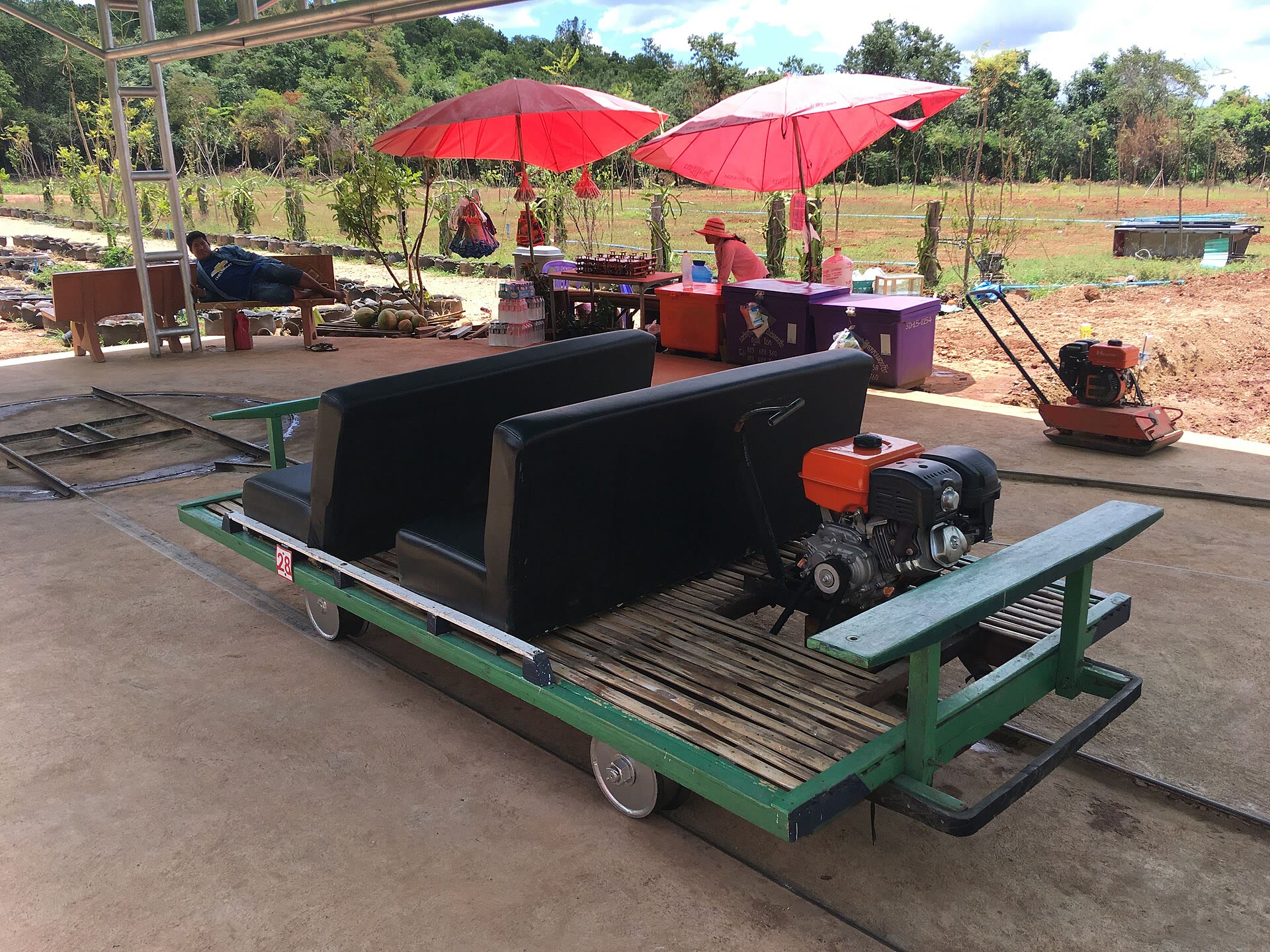
Battambang’s bamboo train, or Norry, is a small motorised platform on railway wheels, not an ordinary passenger train. It suits travellers interested in ingenious local transport and an open-air ride. Before arranging it, settle three things: the exact boarding point, what the quoted ride includes, and how you will get back to town.
First choose the actual boarding site
The older railway experience and the attraction near Phnom Banan are different destinations. A 2022 local report describes the Ou Dambong to Ou Sralau railway route[1]; Cambodia’s Ministry of Information documented a tourist ride near Phnom Banan in 2019.[2] Confirm the selected site’s operation for your date before travelling.
Ask your accommodation or the operator for a current map pin and the site name. Check whether the offer means the older railway route or the Banan attraction before agreeing a transfer. Compare the actual journey from your accommodation and any nearby visit you want to add; that makes the location choice useful for your whole outing.
Things to Do
Offers are only loaded from GetYourGuide after you click. GetYourGuide can then process your IP address and set cookies. Privacy Policy
GetYourGuide partner offers. GoAsia may earn a commission if you book through these offers. Check whether tickets or transfers are included, and follow the attraction's official booking and admission rules.
A transport idea before a tourist attraction
The Norry’s story is rooted in rural journeys, not just sightseeing. Local reporting describes people and goods travelling on these improvised vehicles during the 1980s and 1990s.[1] Original field reports show passengers travelling with vegetables and fruit for sale.[3] The bamboo platform also gave rise to the name “Flying Bed”, a useful way to picture its low, flat shape.[1]
Russ Juskalian’s original Smithsonian reportage, published in 2011, follows Norries carrying passengers, produce and other freight between communities. It records reused parts and makeshift engineering on the older railway.[3] That history explains the design, but does not describe the equipment or permissions of every present-day tourist vehicle.
How a Norry works
The basic arrangement is a flat bamboo or wooden platform, metal wheels and a small engine. In Smithsonian’s historical account, the removable platform rests on two separate axle assemblies. A belt transfers power from the engine to the rear axle, and the driver tensions it by shifting the engine with a lever.[3] These details describe the reported older design, not a specification for every modern vehicle.
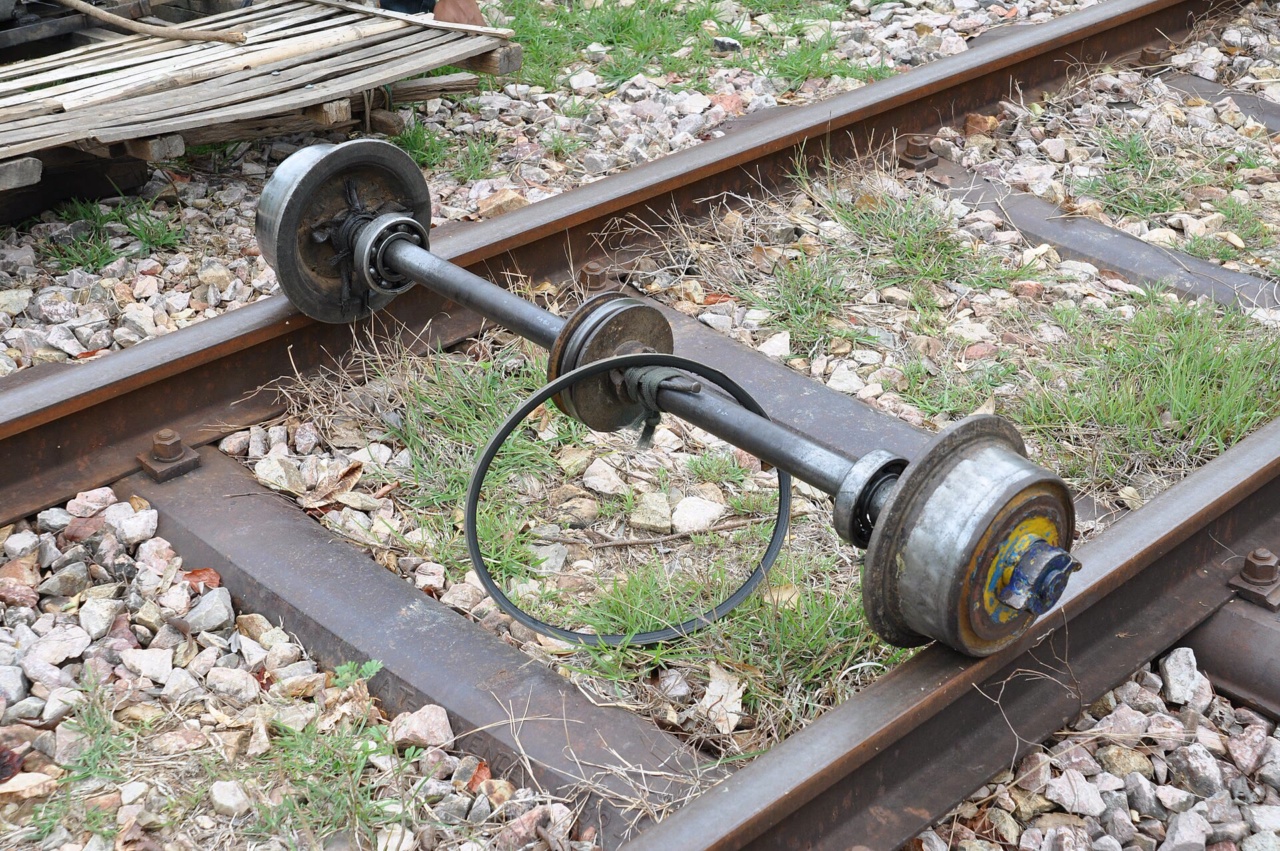
This separable construction explains the famous passing manoeuvre: crews can lift the platform and wheel assemblies off a single track, let another Norry pass and reassemble them.[3] Historical reports describe different right-of-way conventions,[1] and the manoeuvre is not part of every tourist ride. Let the crew handle equipment and follow their instructions if passengers must step off.
Arrange the outward and return transfer together
For a tuk-tuk or car from Battambang, show the exact boarding pin and request a quote for the vehicle and your whole group. Agree whether the driver waits, where you will meet afterwards and whether the same price covers the return. A drop-off fare and a waiting round trip are different purchases.
If adding other stops, list them before setting off and agree the order, waiting allowance and final destination. Leave margin after your arrival in Battambang rather than tying the ride to a tight onward connection. The Norry experience is separate from an intercity bus or regular railway journey.
Work out the full price and time
Ask whether the ride price is per person or for a whole platform, whether it is shared or private, and whether a minimum group size applies. Confirm any child or other admission categories, accepted currency and payment methods. Add the actual return transfer and any separate entry charges to your budget; old online amounts are not a current tariff.
Before paying, establish the route, turnaround point, any stop, riding time, waiting time and expected finish. Check opening, last departure and booking arrangements for that particular site and date. Allow time for both transfers and boarding, not just the minutes spent moving on the track.
Check the platform before boarding
An open platform can involve vibration, engine noise and a low seating position. Inspect the seating and boarding arrangement with the operator, ask about restraints and capacity, and consider every traveller’s needs. With children or anyone who finds low seats or stepping up difficult, discuss suitability before buying the ride.
Do not treat popularity as a safety guarantee. Decline if the equipment, weather or boarding arrangement is unsuitable. Keep hands and feet where the crew directs, secure bags and loose items, and take photographs without leaning over the edge or distracting the driver. Never enter railway tracks independently to look for a Norry.
Choose a workable time and prepare
Use the confirmed operating slot and the day’s forecast to choose a time. An earlier visit may fit your preference for avoiding midday sun, but neither quiet tracks nor ideal photographic light is guaranteed. Allow for rain, delays and the return journey when making a later plan.
Bring drinking water, sun protection and footwear suited to boarding. Ask about shade and facilities at the chosen site rather than assuming they are available along the route. Prepare the agreed payment and a backup; do not rely on finding an ATM or making a particular electronic payment there.
Give Battambang more than a ride stop
If your confirmed boarding point is near Banan, ask separately about visiting the historical site and any additional admission, walking or transport involved. A ride ticket does not automatically include a temple visit. Prefer a manageable outing to a list of stops that leaves no time to enjoy them.
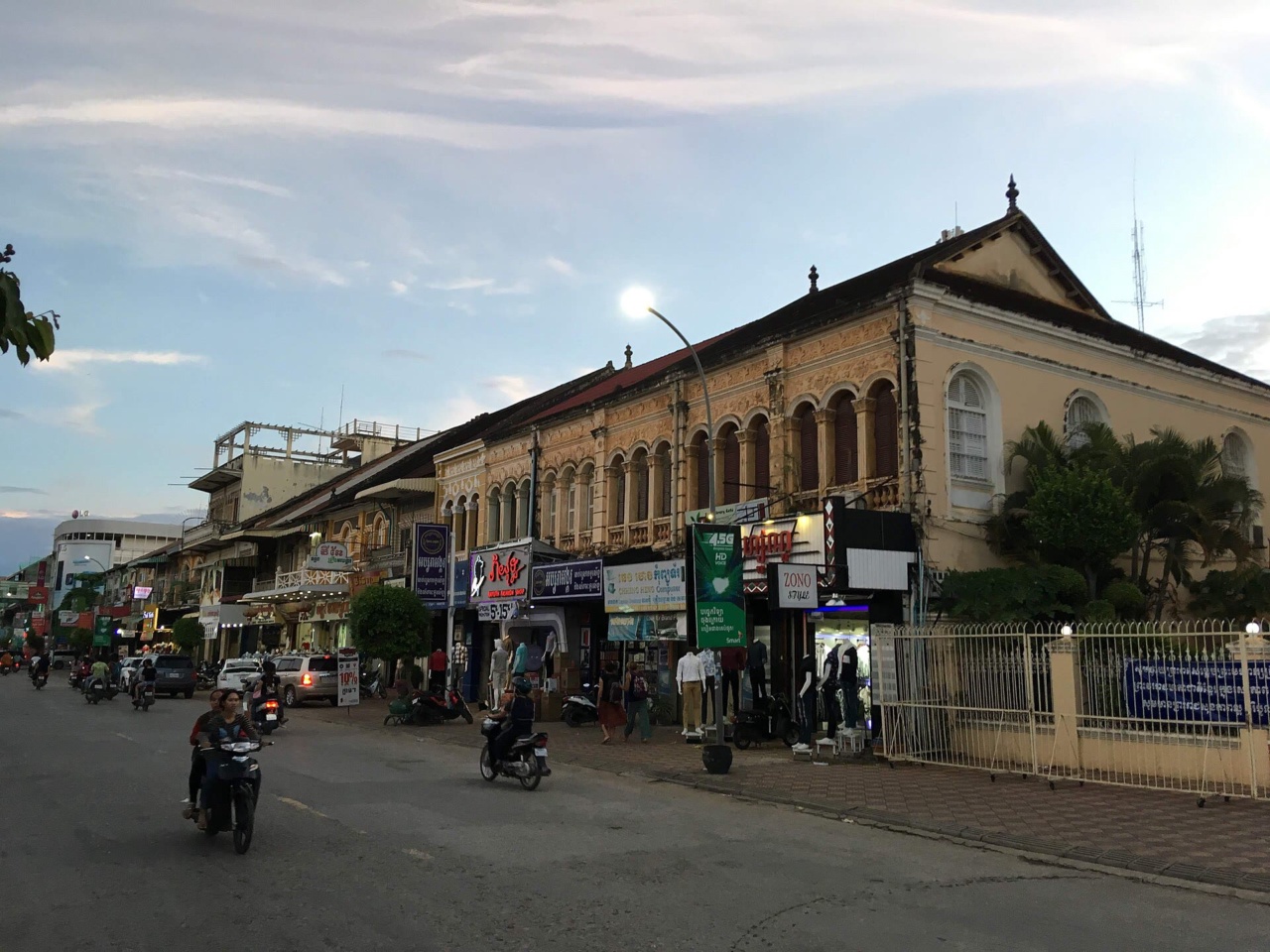
Battambang itself offers another kind of exploration: local reporting highlights its mix of French Protectorate-era buildings, 1960s architecture and older landmarks.[1] A city walk and a meal can complement the railway story without requiring another distant transfer. The Norry is worth choosing for its construction and history, not for a promised top speed.
Sources and background
Numbers in the text such as [1] refer to these sources.
- [1] Cambodianess, Long Ton: Battambang flying beds: original May 2022 report on Norry history and the Ou Dambong route. Retrieved October 24, 2026.
- [2] Cambodia Ministry of Information, Agence Kampuchea Presse: Norry ride near Phnom Banan: original AKP report from April 2019. Retrieved October 24, 2026.
- [3] Smithsonian Magazine, Russ Juskalian: Catching the Bamboo Train: original reportage on transport and removable Norry construction. Retrieved October 24, 2026.
Frequently Asked Questions
Confirm the exact site and your date with a current local operator. Dated accounts describe the older Ou Dambong route and the separate Banan attraction, but do not prove that both are operating today.
Get the current quote for your chosen site. Ask whether it is per person or per platform, shared or private, and add the return transfer and any separate entry charges.
Arrange a tuk-tuk or car using a confirmed boarding map pin. Agree the group price, waiting time, pickup point after the ride and return destination before leaving.
Start with confirmed operation and the actual boarding pin. Compare the journey from your accommodation, the offered route and seating, and any nearby visit you want to add. A Banan outing can include a separately arranged historical-site visit.
Check the actual platform, seating, restraints, capacity and boarding procedure with the operator. Consider your group’s needs, especially children’s, and do not board if the equipment or conditions are unsuitable.
Build the schedule from the agreed route, stops, waiting and finish time. Add the outward transfer, boarding and return journey, with a buffer before any onward connection.
Historical accounts describe crews lifting a Norry’s platform and wheel assemblies off a single track, then putting it back after the other passes. This manoeuvre is not guaranteed on your ride.
Choose within the confirmed opening and departure times, using the forecast and your tolerance for sun or rain. Leave enough time for the return and avoid expecting a guaranteed quiet or golden-light slot.