Itsukushima Shrine and Miyajima: tides, tickets and a practical day plan
Contents
- 1. Choose the kind of island day you want
- 2. Use actual tide height, not simply high or low tide
- 3. Compare shrine tickets and seasonal opening
- 4. Choose your ferry and include the visitor tax
- 5. Decide whether the ropeway suits your visit
- 6. Allow a real hiking day for Mount Misen
- 7. Respect the deer and leave a workable return plan
- 8. Sources and background
- 9. Frequently Asked Questions
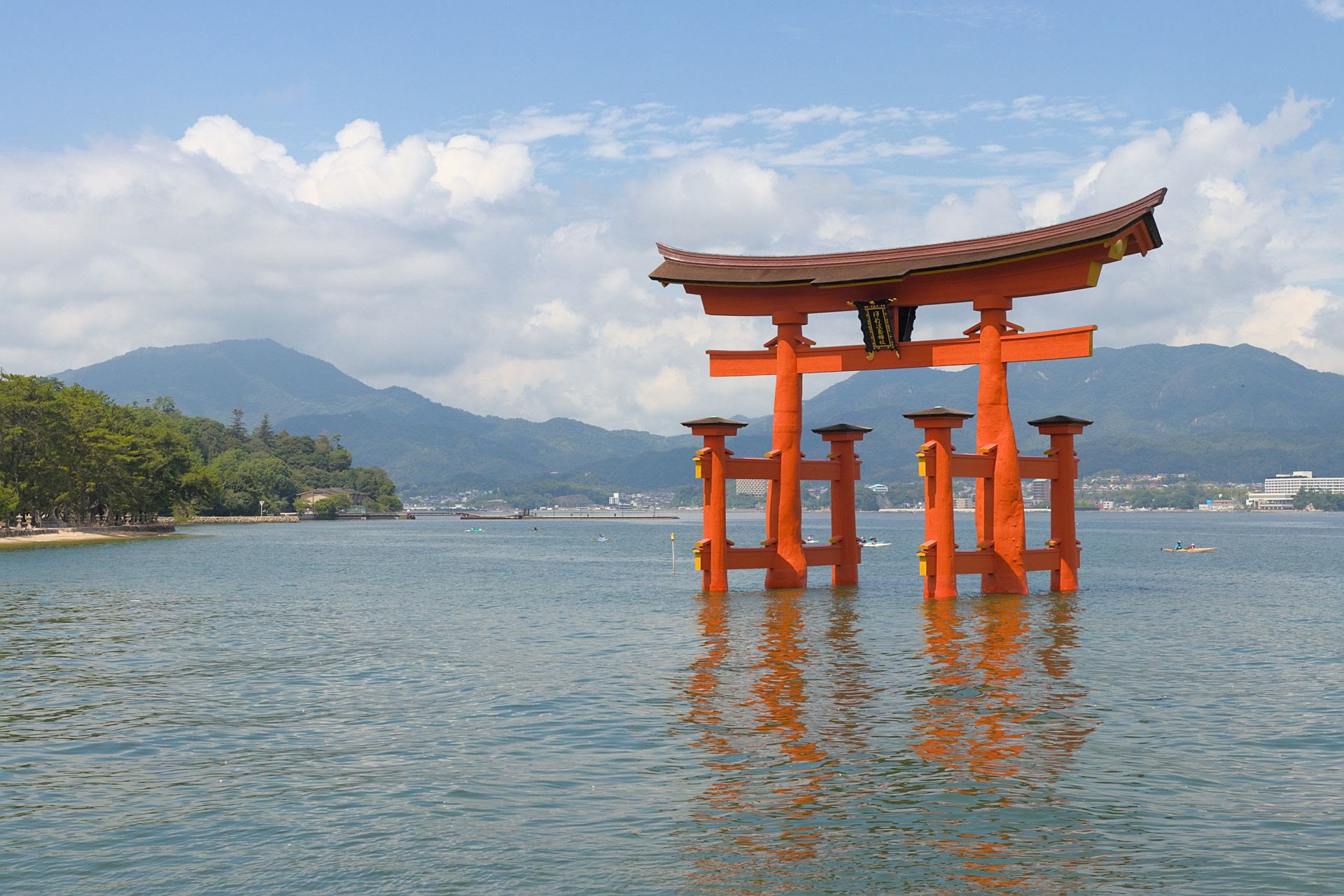
Come to Miyajima for the shrine and the Great Torii, and add Mount Misen only if you have the time and the legs for it. Itsukushima's halls and walkways stand over the water at the tide line, so the tide decides whether they seem to float or stand above the sand. The shrine, the ferry and the Misen ropeway are separate visits with separate tickets.
Start with the tide and the shrine's closing time for your date, then pick your ferry. Leave several hours for an unhurried waterfront visit and a full day if you want to climb Misen.
Choose the kind of island day you want
| Your priority | A practical focus | What changes your plan |
|---|---|---|
| Shrine and Torii | Waterfront walk and shrine during opening hours | Tide height, closing time and your ferry |
| Mountain views with less ascent on foot | Ropeway towards Shishiiwa, then decide on the summit walk | Weather, queues and the last descent |
| Hiking Mount Misen | One of the three official trails | Steep steps, water and descent time |
| Mobility support or a stroller | Plan the pier, the corridors and boarding in advance | Floor gaps in the shrine corridors, stairs at Motoyasu pier[1][2] |
Tradition dates the shrine's foundation to 593. Taira no Kiyomori rebuilt it in 1168 in the palace style of the Heian court, and UNESCO inscribed it as World Heritage in 1996.[3] It is still a place of worship, so follow the visitor routes and staff guidance and do not climb or touch the buildings or the Torii.
Things to Do
Offers are only loaded from GetYourGuide after you click. GetYourGuide can then process your IP address and set cookies. Privacy Policy
GetYourGuide partner offers. GoAsia may earn a commission if you book through these offers. Check whether tickets or transfers are included, and follow the attraction's official booking and admission rules.
Use actual tide height, not simply high or low tide
The shrine appears to float when the water rises above 250 cm, and you can walk out towards the Torii when it falls below 100 cm. A high tide alone does not guarantee the floating view, and a low tide alone does not guarantee the walk.[4] Pick your date in the Miyajima Tourism Association's tide table. Its figures are for Hiroshima Port, and the tide at Itsukushima arrives slightly earlier.[4]
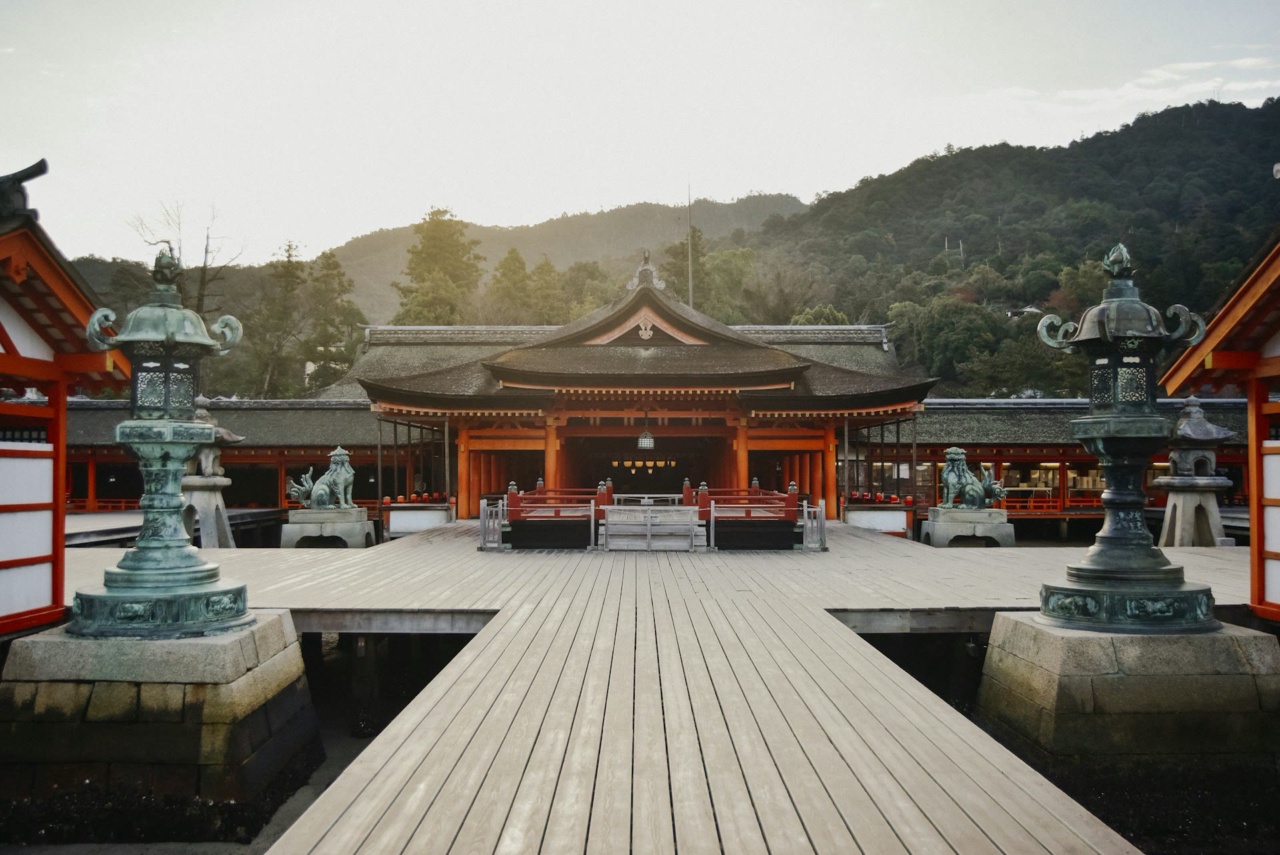
Obey posted access restrictions whatever the prediction says. A view from the water's edge after the paid shrine closes does not mean the interior is open.
Compare shrine tickets and seasonal opening
| Individual ticket | Adult, JPY | High school, JPY | Elementary or junior high, JPY |
|---|---|---|---|
| Itsukushima Shrine | 300 | 200 | 100[1] |
| Treasure Hall only | 300 | 200 | 100[1] |
| Shrine plus Treasure Hall | 500 | 300 | 150[1] |
These are individual rates per person. The combined ticket is sold only at the shrine entrance. Senjokaku is separate: 100 JPY for adults and 50 JPY for elementary or junior-high pupils. Bring yen, because the shrine, the Treasure Hall and Senjokaku do not take credit cards. The corridor floors have gaps that catch heels, so wear flat shoes.[1]
The shrine is open 06:30 to 18:00 from 1 March to 14 October; 06:30 to 17:30 from 15 October to 30 November and from 4 January to the end of February; and 06:30 to 17:00 in December. At New Year, 1 January is 00:00 to 18:30, and 2 and 3 January are 06:30 to 18:30. The Treasure Hall opens 08:00 to 17:00 and Senjokaku 08:30 to 16:30.[1] Arrive with enough time rather than just before closing.
Choose your ferry and include the visitor tax
From the mainland, take the JR Sanyo Line to Miyajimaguchi station or the Hiroden streetcar to Hiroden-Miyajimaguchi, then the ferry crossing of about 10 minutes, then walk to the shrine.[5] Two companies run the crossing: JR Miyajima Ferry and Matsudai Kisen.[6] The shrine has no parking of its own.[5]
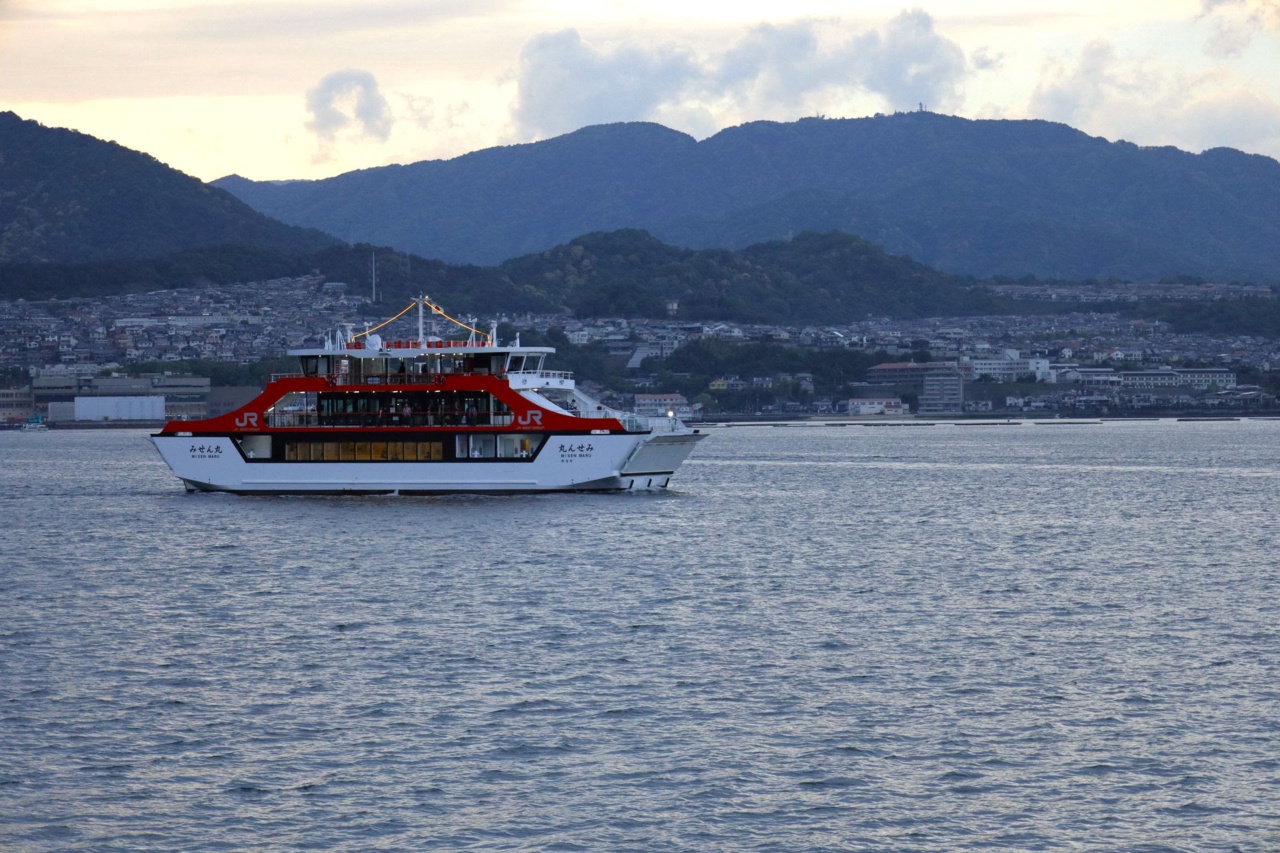
The JR ferry costs 200 JPY for adults and 100 JPY for children aged 6 to 11 each way.[7] Matsudai charges 200 JPY one way or 400 return from junior-high age, and 100 or 200 for elementary pupils.[8] Preschool children travel free, one or two per paying passenger depending on the operator.[7][8] A Japan Rail Pass covers the JR ferry but not Matsudai.[9]
Visitors pay a visitor tax of 100 JPY per entry to the island (500 JPY covers a year), added to the ferry fare. Preschool children, school-trip groups and holders of disability handbooks are exempt.[10] A rail pass does not waive it.[9]
The Hiroshima World Heritage Sea Route is a direct boat from Motoyasu Pier near the Peace Park to Miyajima's Pier 3. It takes about 45 minutes and slips down the Hiroshima rivers before it crosses the bay. Adults pay 2,400 JPY one way or 4,400 return, elementary pupils 1,200 or 2,200, plus the 100 JPY island tax on the way to Miyajima. Tides can cancel sailings or change the river route, so check the timetable for your date. Reserve by the day before, or buy a same-day ticket at the pier if seats are left. Pay by cash or credit card; transport IC cards are not accepted. Each boat has one wheelchair space, so ask in advance, and the Motoyasu pier is reached by about eight steps.[2]
Decide whether the ropeway suits your visit
A ropeway climbs from Momijidani Station towards Shishiiwa, and the summit of Misen is a walk beyond the upper station. The Momijidani trail starts beside the lower station and has a junction where you can turn off to Shishiiwa.[11] Before you go, look at the ropeway's current operating notice, because service pauses for maintenance and weather.
Allow a real hiking day for Mount Misen
| Official trail | Ascent, including breaks | What to expect |
|---|---|---|
| Daishoin | About 1.5 to 2 hours | Many stone steps[11] |
| Momijidani | About 1.5 to 2 hours | Gentler first section, steeper stairs later[11] |
| Omoto | About 2 to 2.5 hours | Forest, large rocks and many junctions[11] |
Misen is 535 m high, the island's highest peak, and every trail climbs from sea level. The tourism association recommends only these three official trails, because people slip and get lost every year. Add the descent to the ascent times. Wear proper walking shoes, since heels and sandals slip, and carry water: the summit observatory sells none. The observatory is open 10:00 to 16:00, and the summit toilets are few and busy. Watch for wasps and mamushi vipers on the trail.[11]
Respect the deer and leave a workable return plan
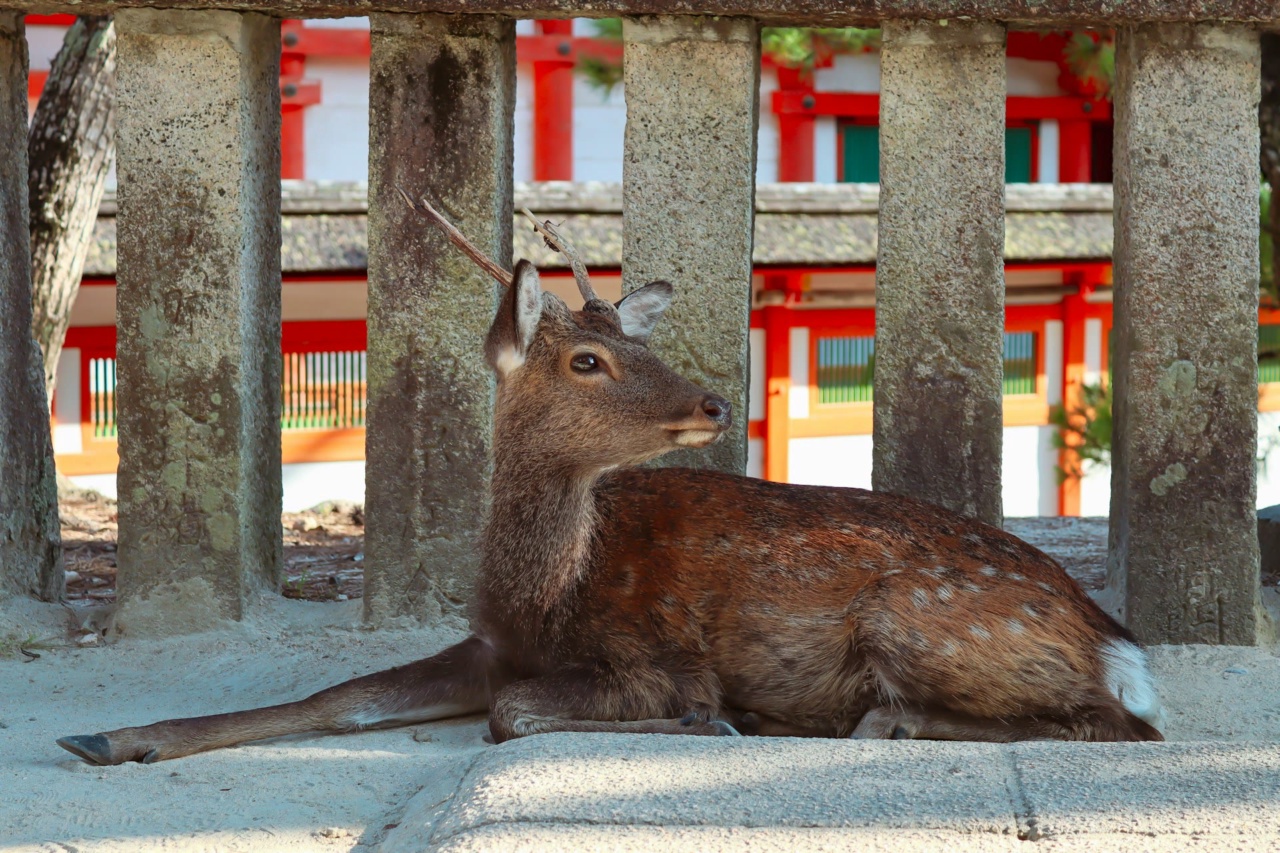
About 500 wild deer live on Miyajima, around 200 of them in the town. Do not feed them. Keep food, tickets, paper and plastic out of their reach and take your rubbish away, because swallowed plastic and treated paper can kill them.[12] Staying overnight lets you see the shrine and the streets after the day trippers leave, though ferry times and shrine hours still set your rhythm. Our Japan travel overview helps with the wider journey.
Sources and background
Numbers in the text such as [1] refer to these sources.
- [1] Itsukushima Shrine: Itsukushima Shrine: individual tickets, seasonal hours and floor gaps. Retrieved October 22, 2026.
- [2] Aqua Net Hiroshima: Hiroshima World Heritage Sea Route: fares, piers, reservations and tidal cancellations. Retrieved October 22, 2026.
- [3] Itsukushima Shrine: Itsukushima Shrine: traditional foundation and historical rebuilding. Retrieved October 22, 2026.
- [4] Miyajima Tourism Association: Miyajima tidal guidance: actual height thresholds and date selection. Retrieved October 22, 2026.
- [5] Itsukushima Shrine: Itsukushima Shrine: ferry access and absence of shrine parking. Retrieved October 22, 2026.
- [6] Miyajima Tourist Association: Access. Retrieved October 15, 2026.
- [7] JR Miyajima Ferry: JR Miyajima Ferry: current Japanese ordinary fare table and separate visitor tax. Retrieved October 22, 2026.
- [8] Miyajima Matsudai Kisen: Miyajima Matsudai Kisen: ordinary fares, visitor tax and payment conditions. Retrieved October 22, 2026.
- [9] Japan Rail Pass (JR Group): Conditions for use - JAPAN RAIL PASS. Retrieved October 19, 2026.
- [10] Hatsukaichi City: Hatsukaichi City: Miyajima visitor tax and exemptions. Retrieved October 22, 2026.
- [11] Miyajima Tourism Association: Mount Misen hiking routes: Omoto, route times and precautions. Retrieved October 22, 2026.
- [12] Miyajima Tourism Association: Miyajima animals: wild deer and respectful visitor conduct. Retrieved October 22, 2026.
Frequently Asked Questions
Individual shrine tickets cost 300 JPY for adults, 200 for high-school students and 100 for elementary and junior-high pupils. Shrine plus Treasure Hall is 500, 300 or 150 respectively, sold at the shrine entrance. Senjokaku, ferry fares and the visitor tax are separate.
The shrine opens at 06:30 and closes at 18:00 from 1 March to 14 October; at 17:30 from 15 October to 30 November and from 4 January to the end of February; and at 17:00 in December. New Year has separate hours.
No. You can walk out to the Torii when the water level is below 100 cm, and the shrine looks like it floats above 250 cm. Look up your date in the tourism association's tide table, which uses Hiroshima Port, and follow posted access restrictions.
An eligible JR pass covers the JR ferry fare, but the 100 JPY Miyajima visitor tax is still due unless you are exempt. The pass does not cover Matsudai Kisen or the direct Peace Park boat.
Yes. The Hiroshima World Heritage Sea Route runs from Motoyasu Pier to Miyajima Pier 3 in about 45 minutes. Adults pay 2,400 JPY one way or 4,400 return, plus the island tax. Tides can cancel or reroute sailings. Reserve by the previous day or buy a same-day ticket at the pier if seats remain.
No. It climbs to the Shishiiwa area, and the summit is a further walk. If you want to hike, the Momijidani trail is the most beginner-friendly of the three official routes.
Going up takes 1.5 to 2 hours on the Daishoin or Momijidani trail and 2 to 2.5 hours on the Omoto trail, including breaks. Allow extra time for the descent, bring water and wear proper shoes.
Do not feed the wild deer, and keep paper, plastic and food away from them. A night on the island gives you quieter streets once the day trippers leave, but the shrine still closes in the evening.