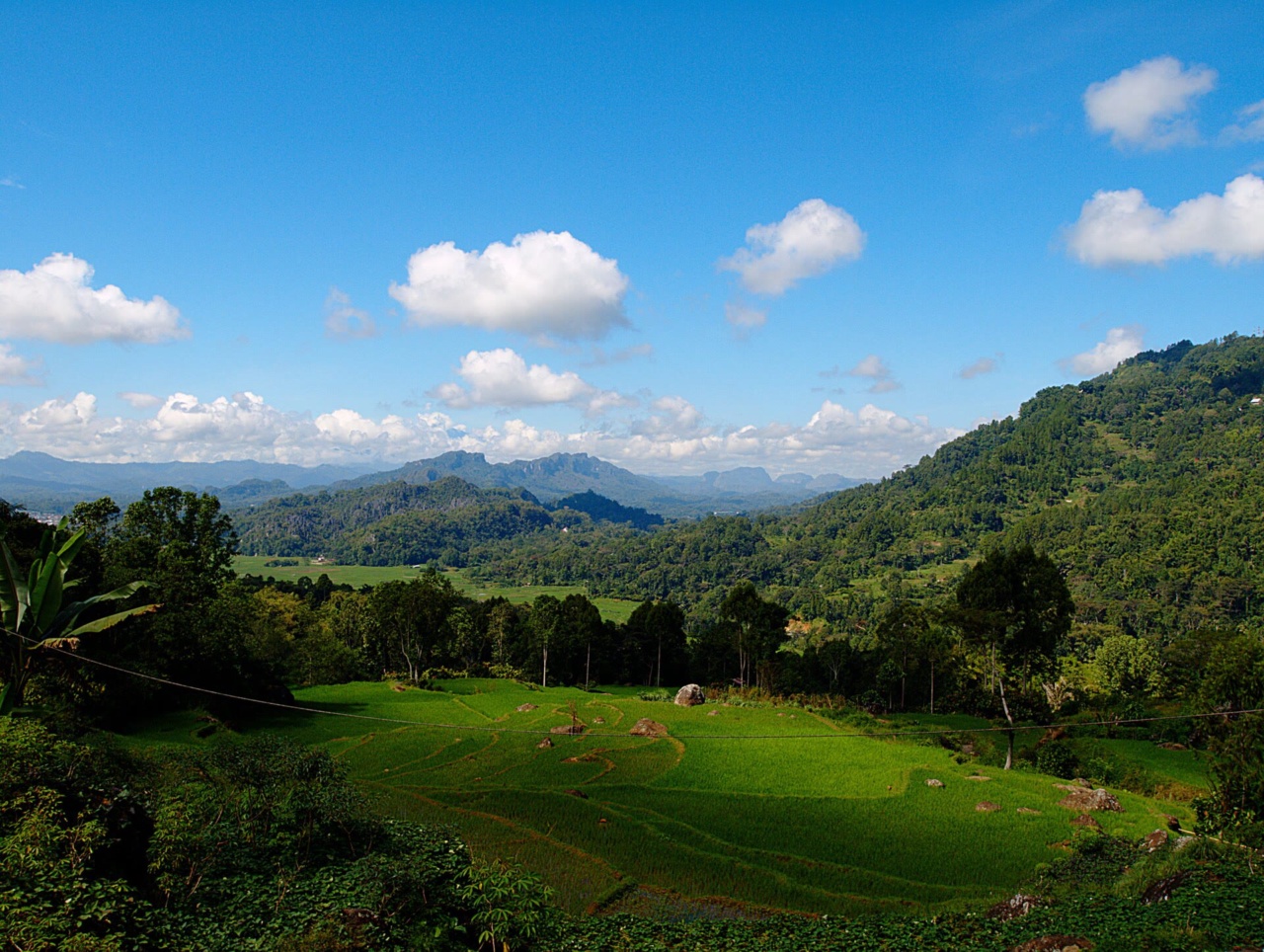
In the highlands of South Sulawesi, the Torajan people have built an entire culture around honoring the dead. Tana Toraja is a place where funerals are not somber, quiet affairs but grand multi-day festivals involving hundreds of guests, buffalo sacrifices, and feasting that can cost a family their entire savings. The deceased are kept at home for weeks, months, or even years while the family prepares for a ceremony worthy of their loved one's status. To outsiders, it sounds macabre. To the Torajans, it is the most important event in a person's existence.
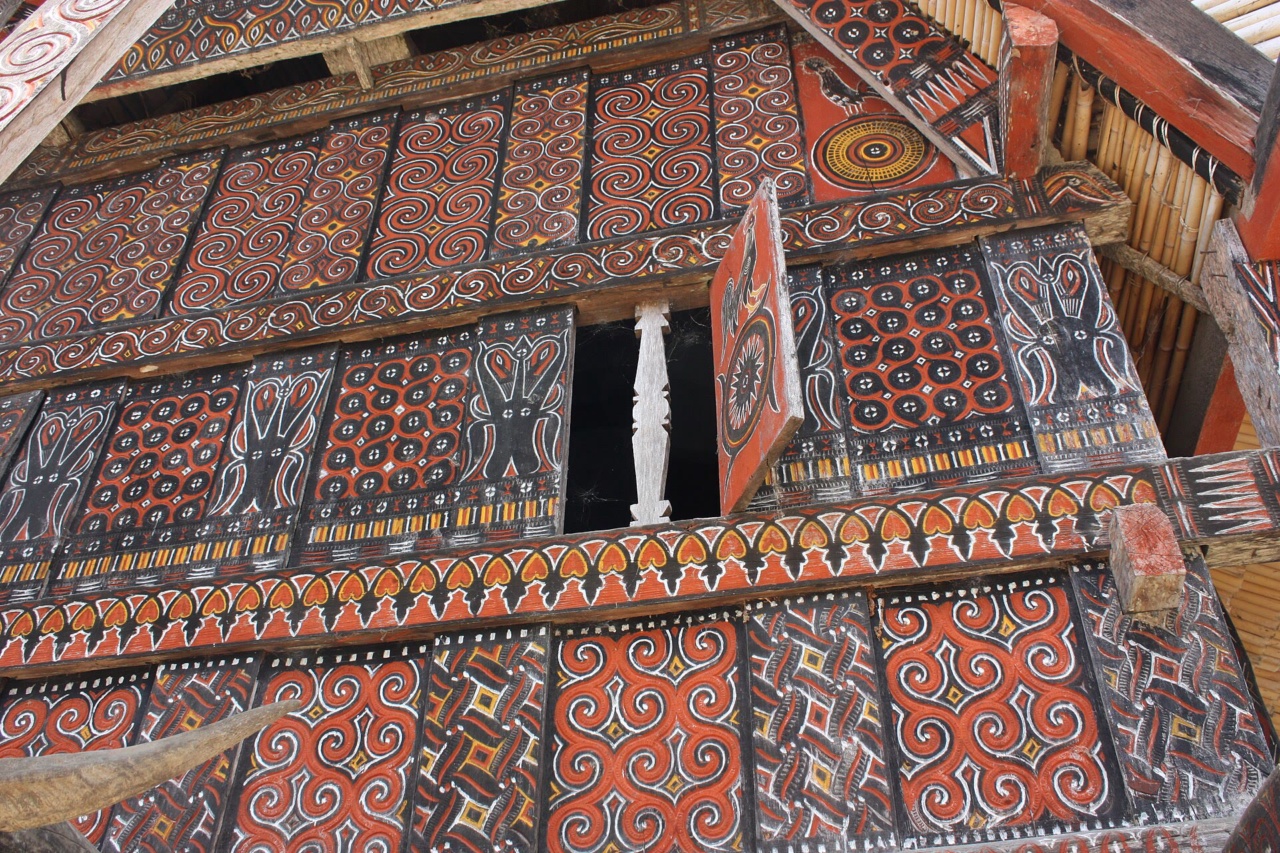
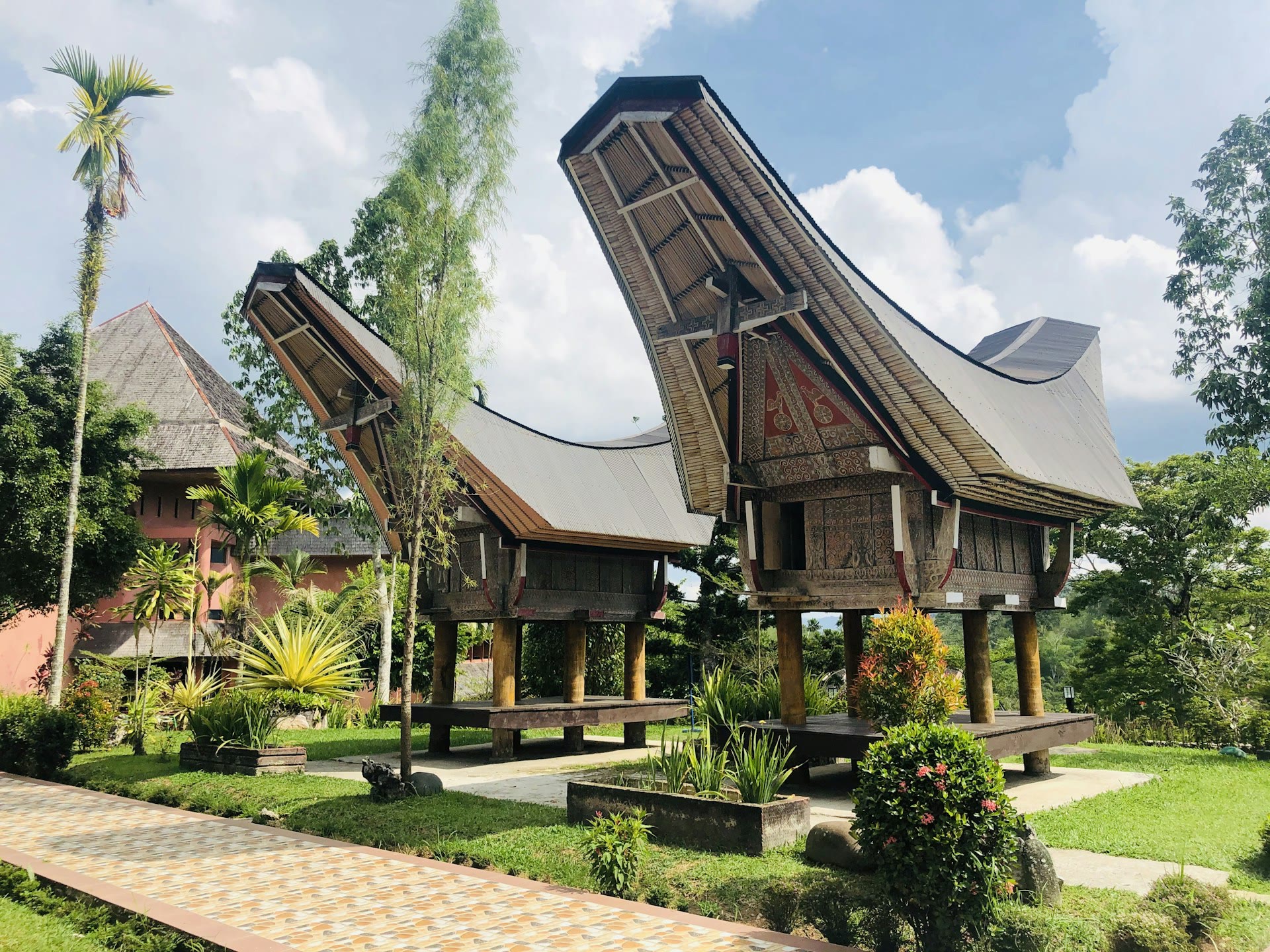
Beyond the funeral ceremonies, Tana Toraja offers some of Indonesia's most striking traditional architecture. The tongkonan houses, with their dramatically curved roofs shaped like buffalo horns or the hulls of ancient boats, stand in clusters throughout the region's green valleys. Cliff-face burial sites with rows of carved wooden effigies staring out over the landscape, baby graves carved into living trees, and cave tombs filled with centuries-old coffins and bones complete a cultural landscape unlike anything else in Southeast Asia.
Reaching Tana Toraja requires effort. The highland regency sits about 300 kilometers north of Makassar, connected by a winding mountain road that takes 8 to 10 hours by bus. But travelers who make the journey discover one of Indonesia's most culturally rich and least commercialized destinations, a place where ancient animist traditions blend with Christianity in ways that challenge every assumption about how cultures handle death.
Understanding Torajan Funeral Culture
Death in Torajan culture is not the end but the beginning of the most important social event in a person's life. The Rambu Solo funeral ceremony is an elaborate, multi-day affair whose scale reflects the social standing and wealth of the deceased's family. A noble's funeral might last a week and involve the sacrifice of dozens of water buffalo, each worth thousands of dollars. A commoner's ceremony is more modest but still deeply ritualistic.
The Waiting Period
After death, the body is embalmed using a mixture of formaldehyde and other preservatives and kept in the family's tongkonan house. The Torajans do not consider the person truly dead during this period. They refer to the deceased as "to makula," meaning a sick person, and continue to bring them food and drink, speak to them, and include them in daily life. This waiting period can stretch from weeks to years, depending on how long the family needs to save money for a proper ceremony.
The Ceremony
When the family is financially ready, the Rambu Solo begins. Guests arrive from across Sulawesi and beyond, often numbering in the hundreds. The ceremony involves:
- Ritual slaughter of water buffalo and pigs, distributed among guests according to social obligations
- Traditional Ma'badong circle dances performed through the night
- Ma'randing warrior dances
- Processions carrying the deceased in a decorated tower to the burial site
- Feasting, socializing, and the settling of debts between families
The cost is staggering. A single ceremony-grade water buffalo can cost between IDR 50,000,000 and IDR 500,000,000 (roughly $3,000 to $30,000), and a high-status funeral might require 20 or more. Families often go into debt for years to fund an appropriate ceremony.
Attending a Funeral as a Visitor
Visitors are genuinely welcome at Torajan funerals. It is considered an honor to have many guests. However, there are protocols. You should bring a gift, typically a carton of cigarettes or a contribution of sugar, coffee, or cash (IDR 50,000 to IDR 200,000 is appropriate for a foreign visitor). Your local guide will advise on the right amount and help you navigate the social dynamics.
Funerals happen year-round but are most frequent during the dry season from July through September, with August being the peak month. If witnessing a ceremony is important to you, time your visit accordingly and hire a local guide who can find out which ceremonies are happening during your stay.
Things to Do
Key Sites to Visit
Kete Kesu
The most accessible traditional village, located just 4 kilometers southeast of Rantepao. Kete Kesu features a row of beautifully preserved tongkonan houses with carved and painted facades, rice barns (alang) on stilts, and a burial site behind the village with old coffins and bones visible among the rocks. Entrance fee is approximately IDR 20,000.
Lemo
Lemo's cliff-face burial site is one of Toraja's most iconic images. Rows of tau-tau, carved wooden effigies representing the dead, stand in balconied galleries cut into a limestone cliff face, staring out over the valley with outstretched arms. The statues are dressed in real clothes and periodically replaced as they deteriorate. The effect is eerie and unforgettable. Entrance fee is approximately IDR 30,000.
Londa
A cave burial site where coffins, skulls, and bones are scattered throughout a limestone cave system. You can hire a local guide with a kerosene lamp at the entrance for around IDR 30,000 to lead you through the dark tunnels past centuries of burial remains. Some coffins have split open, revealing bones and personal belongings inside. The atmosphere is genuinely otherworldly. Entrance fee is approximately IDR 30,000.
Suaya
A royal burial site with more elaborate tau-tau figures, located about 15 kilometers south of Rantepao. Less visited than Lemo, Suaya offers a quieter experience with equally impressive carved cliff faces and effigies.
Bori Kalimbuang
A megalithic site featuring a field of standing stones, each erected to commemorate a funeral ceremony. The number and size of stones correspond to the status of the deceased and the number of buffalo sacrificed. Some stones date back several hundred years.
Ma'Nene Ceremony Sites
During Ma'Nene, typically held in August, families exhume the mummified remains of their ancestors, wash them, dress them in fresh clothes, and walk them through the village. This "cleaning of the corpses" ceremony takes place in various villages and is one of the most remarkable cultural rituals anywhere in the world.
Getting to Tana Toraja
By Air to Makassar
Fly into Sultan Hasanuddin International Airport in Makassar (UPG). Direct flights operate from Jakarta, Bali (Denpasar), and Surabaya. Budget airlines like Lion Air and Citilink offer competitive fares, often under $100 for domestic routes.
Makassar to Rantepao
| Transport | Duration | Cost | Notes |
|---|---|---|---|
| Tourist Bus (Bintang Prima / Litha) | 8-10 hours | IDR 200,000 - IDR 300,000 | Morning departure ~9 AM or night bus ~9 PM. AC, reclining seats. |
| Private Car with Driver | 7-8 hours | IDR 1,500,000 - IDR 2,000,000 | Most comfortable option. Can stop at scenic points en route. |
| Shared Minivan (Kijang) | 8-10 hours | IDR 150,000 - IDR 200,000 | Cramped but cheap. Departs when full from Terminal Daya. |
The night bus is popular because you arrive in Rantepao early morning, saving a night's accommodation. The road passes through spectacular mountain scenery during daylight hours, so a morning departure has its own rewards.
Where to Stay in Rantepao
Rantepao is the main town and base for exploring Tana Toraja. It has a good range of accommodation for all budgets.
- Budget (IDR 100,000 - IDR 300,000): Simple guesthouses and losmen are plentiful. Expect basic rooms with fan or AC, private bathroom, and breakfast included. Pias Poppies Hotel is a longstanding traveler favorite.
- Mid-range (IDR 300,000 - IDR 700,000): Toraja Misiliana Hotel and Hotel Pison offer comfortable rooms with modern amenities. Some mid-range options feature tongkonan-style architecture.
- Upscale (IDR 700,000+): Toraja Heritage Hotel is the top option, with traditional Toraja-style buildings, a swimming pool, spa, and restaurant serving both local and international cuisine.
Book ahead during the peak funeral season (July through September), when Rantepao fills up with both tourists and Torajan families returning for ceremonies.
Getting Around Tana Toraja
The burial sites and villages are spread across a wide highland area, and public transport within Tana Toraja is minimal. You have three practical options:
- Hire a local guide with motorbike or car: This is the recommended approach. A guide costs around IDR 300,000 to IDR 500,000 per day and provides transport, cultural context, and access to ceremonies you would never find on your own. Guides can be arranged through your hotel or through tour operators in Rantepao.
- Rent a motorbike: Available in Rantepao for about IDR 75,000 to IDR 100,000 per day. The roads are hilly but manageable for experienced riders. Navigation can be tricky as signage is minimal.
- Walk: Some sites like Kete Kesu are close enough to walk from Rantepao, but most require motorized transport.
Tips for Visiting Tana Toraja
Tana Toraja is one of Indonesia's most culturally sensitive destinations. The rituals you witness are not performances staged for tourists but deeply meaningful practices that define Torajan identity. Approaching with curiosity and respect will open doors that remain closed to disrespectful visitors. For more detailed Sulawesi travel planning, visit GoAsia.cc.
- Hire a local guide. This is not optional if you want to understand what you are seeing. A guide explains the symbolism, navigates funeral etiquette, knows which ceremonies are happening, and can communicate with families in the local Torajan language.
- Ask before photographing. At funeral ceremonies, ask your guide whether photos are appropriate at each stage. Some moments are sacred and photography is unwelcome. At burial sites, general photography is usually fine, but pointing cameras at human remains without asking can be disrespectful.
- Bring a gift to funerals. A carton of cigarettes, sugar, or cash are all appropriate. Your guide will help you determine the right contribution.
- Plan at least 3 days. Two nights and three days is the minimum to see the major sites and attend a ceremony if one is happening. Four to five days allows a more relaxed pace and exploration of more remote villages.
- Pack layers. Rantepao sits at about 700 meters elevation and temperatures drop to 15-20 degrees Celsius at night, much cooler than lowland Sulawesi. A light jacket is essential.
- Bring cash. ATMs exist in Rantepao but can be unreliable. Credit cards are rarely accepted outside the larger hotels. Bring enough Indonesian rupiah to cover your stay.
- Be prepared for animal sacrifice. Buffalo and pig slaughter are central to funeral ceremonies and are not sanitized for visitors. If this is difficult for you, discuss it with your guide beforehand so they can help you navigate what to watch and when to step away.
Frequently Asked Questions
Torajan funerals (Rambu Solo) are grand multi-day festivals involving the sacrifice of water buffalo and pigs, traditional circle dances, warrior dances, processions, and feasting. The scale depends on the family's social status and wealth. Visitors are welcome to attend and are expected to bring a small gift such as cigarettes, sugar, or a cash contribution.
Entrance fees to burial sites and villages range from IDR 20,000 to IDR 30,000 (about $2) per site. A local guide costs IDR 300,000 to IDR 500,000 per day including transport. Budget accommodation starts around IDR 100,000 per night, and the bus from Makassar costs IDR 200,000 to IDR 300,000. Overall, Tana Toraja is an affordable destination.
The journey from Makassar takes 8 to 10 hours by bus or 7 to 8 hours by private car. Tourist buses depart at around 9 AM (morning) or 9 PM (night bus) and cost IDR 200,000 to IDR 300,000. A private car with driver runs IDR 1,500,000 to IDR 2,000,000. The night bus saves a hotel night, as you arrive in Rantepao early morning.
The peak funeral season runs from July through September, with August being the busiest month. The Ma'Nene ceremony, where families exhume and redress their ancestors, also typically occurs in August. Outside these months, ceremonies still happen but are less frequent. A local guide can help locate any ceremonies during your visit.
A guide is strongly recommended and practically essential for understanding the cultural significance of what you see. They navigate funeral etiquette, communicate in the local Torajan language, know which ceremonies are happening, and provide transport to scattered sites. Expect to pay IDR 300,000 to IDR 500,000 per day.
A minimum of three days (two nights) lets you see the major burial sites and potentially attend a funeral ceremony. Four to five days allows for a more relaxed pace, visits to remote villages, and trekking through the highland landscapes. The area is large and spread out, so rushing through feels incomplete.
Yes, visitors are genuinely welcomed at funerals. Having many guests is considered an honor to the deceased's family. However, you must follow local customs: bring a gift, dress modestly, ask before photographing sensitive moments, and follow your guide's instructions about where to sit and when to observe quietly.
Pack layers including a light jacket, as highland temperatures drop to 15-20 degrees Celsius at night. Bring sturdy walking shoes for uneven terrain at burial sites, rain gear during wet season, plenty of cash in rupiah (ATMs are unreliable), and sunscreen. A headlamp is useful for cave burial sites like Londa.