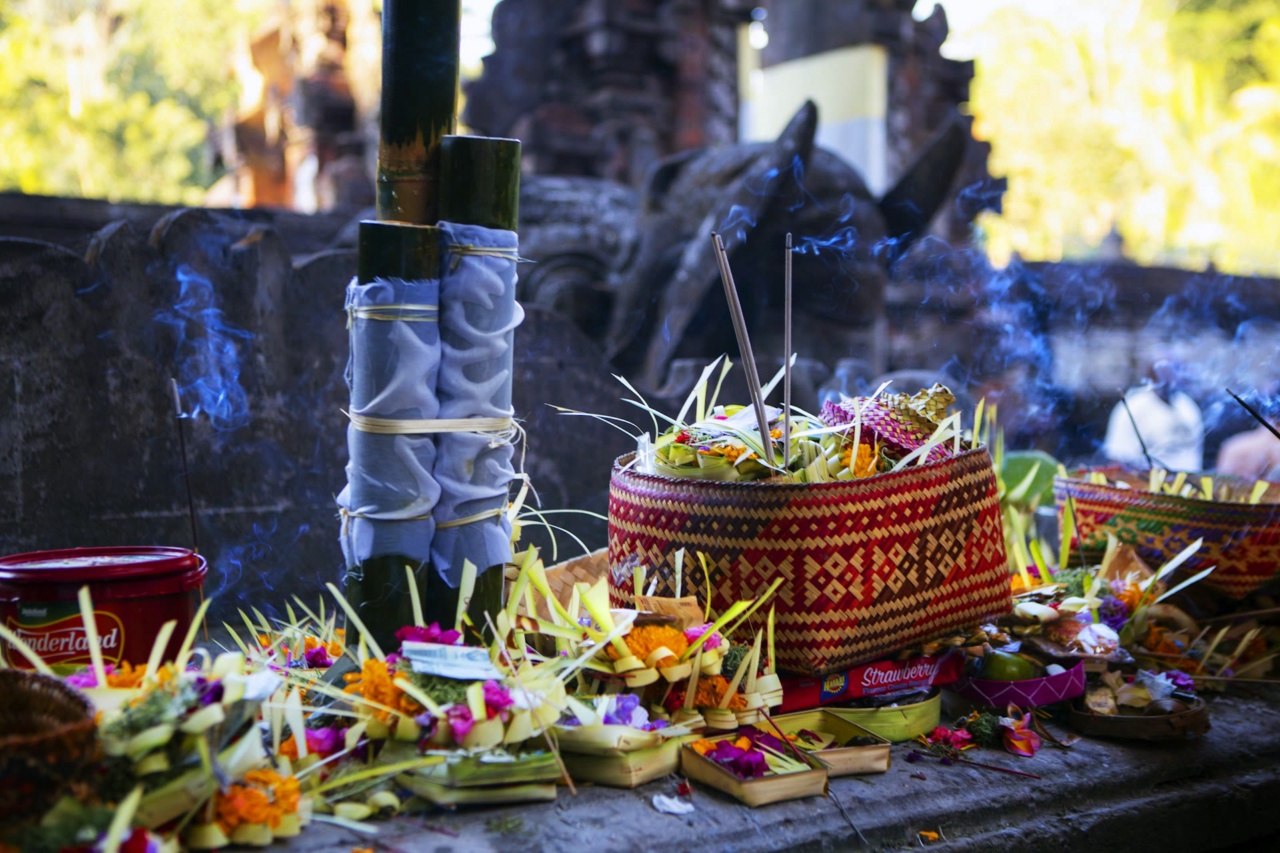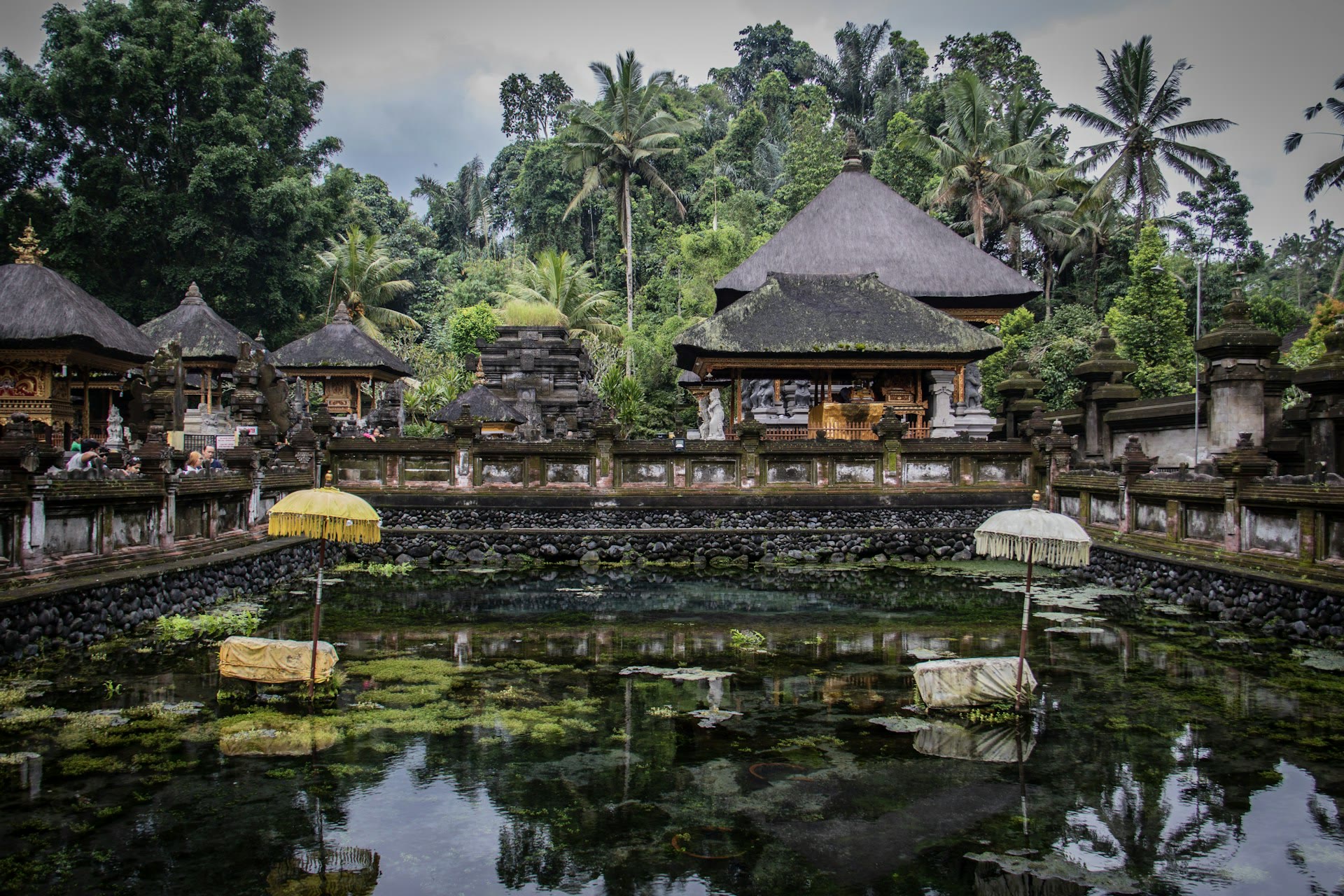
Tucked into a lush river valley in the village of Manukaya, Tampaksiring, Tirta Empul is not just another Balinese temple on the tourist circuit. It is one of the island's most spiritually significant sites, built around a natural spring that Balinese Hindus have revered for over a thousand years. Visitors come here not only to admire the ancient architecture but to step into the cool, sacred waters and participate in a purification ritual that has remained virtually unchanged since the temple's founding.
The name Tirta Empul translates to "holy water spring," and the temple lives up to it. Crystal-clear water bubbles continuously from the ground, feeding a series of ornately carved purification pools where worshippers and visitors alike wade chest-deep to receive blessings from each fountain spout. It is one of the rare places in Bali where you can move beyond being a spectator and actually take part in a living spiritual tradition.
Located about 30 minutes northeast of Ubud, the temple sits at an elevation that keeps it slightly cooler than Bali's coastal areas. The surrounding landscape of rice terraces and tropical forest makes the drive itself part of the experience.
History and Legend of Tirta Empul
Tirta Empul was founded in 962 AD during the Warmadewa dynasty, one of the earliest Hindu kingdoms to rule Bali. The temple is dedicated to Vishnu, the Hindu god associated with water and preservation, and was built directly over a powerful natural spring that the Balinese believe possesses supernatural healing properties.
According to Balinese mythology, the spring was created by the god Indra during a battle with the demon king Mayadenawa. The story goes that Mayadenawa poisoned local water sources to weaken Indra's army. In response, Indra pierced the earth to release amerta, the elixir of immortality, which revived his fallen soldiers and defeated the darkness. The spring that flows at Tirta Empul is believed to be that very source of divine water.
This legend is not just a historical footnote. It shapes how Balinese Hindus relate to the temple today. The water is considered spiritually alive, capable of washing away negative energy, illness, and spiritual impurities. Major ceremonies take place here during Balinese holy days, with hundreds of worshippers lining up to bathe in the pools.
Things to Do
The Temple Complex
Tirta Empul is divided into three main courtyards, following the traditional Balinese temple layout of outer, middle, and inner sanctums.
Jaba Pura (Outer Courtyard)
The outer courtyard serves as the entry area and contains a large rectangular pool fed by the sacred spring. This pool is where koi fish swim in the clear water, and visitors can observe the spring bubbling up from the sandy bottom. A pavilion here provides space for prayer preparation and community gatherings during ceremonies.
Jaba Tengah (Central Courtyard)
The central courtyard holds the two main purification pools, known as petirtaan. Each pool is lined with a series of carved stone spouts, and this is where the melukat purification ritual takes place. The first pool has 13 fountains and the second has 12, though not all are used in the ritual. Each spout carries different spiritual significance, and participants move through them in a specific order from left to right.
Two of the spouts are reserved exclusively for funeral purification rites and must be avoided during a regular visit. These are clearly marked, but a temple attendant or guide can point them out if you are unsure.
Jeroan (Inner Courtyard)
The inner sanctum contains several shrines and merus (multi-tiered towers) and is the most sacred part of the complex. Access may be restricted during major ceremonies. The architecture here is classic Balinese, with intricately carved stone gateways, moss-covered statues, and offerings placed at every shrine.
The Melukat Purification Ritual
The melukat ceremony is the main reason most visitors come to Tirta Empul, and it is open to everyone regardless of religion. The ritual involves wading into the purification pools and standing under each fountain spout in sequence, allowing the holy water to flow over your head and body. Each spout is believed to carry a different blessing or cleansing power.
How the Ritual Works
- Before entering the water, you make a small offering at the shrine near the pool entrance. Offerings (canang sari) can be purchased at the temple for around IDR 10,000.
- Enter the pool from the left side and move to the first active spout.
- Stand under each fountain and let the water pour over your head. Most people clasp their hands in prayer, bow their head, and allow the water to cascade over them three times before moving to the next spout.
- Skip the two funeral spouts (typically the 11th and 12th in the first pool). A guide or attendant will help identify them.
- Continue through the second pool in the same manner.
- After completing the circuit, exit the pool and offer a final prayer at the shrine.
The entire ritual takes about 30 to 45 minutes depending on how many people are in the pools. During peak hours, you may need to wait in line at each spout.
What to Bring
- A change of dry clothes and a towel (there are basic changing rooms near the pools)
- A waterproof bag or dry pouch for your phone and valuables
- Women should bring a hair tie to keep hair back during the ritual
- Sunscreen applied beforehand, as you will be in direct sun while waiting
Practical Visitor Information
| Detail | Information |
|---|---|
| Location | Manukaya village, Tampaksiring, Gianyar Regency, Bali |
| Opening Hours | Daily, 7:00 AM - 6:00 PM |
| Adult Entrance Fee | IDR 75,000 (approximately $5) |
| Child Entrance Fee (5-12) | IDR 50,000 (approximately $3) |
| Children Under 5 | Free |
| Distance from Ubud | About 15 km (30-40 minute drive) |
| Recommended Visit Duration | 1.5 - 2.5 hours (with purification ritual) |
Dress Code
All visitors must wear a sarong and sash around the waist, regardless of whether you plan to enter the purification pools. Sarongs are provided at the entrance as part of your admission. If you bring your own, that works too. Shoulders should be covered, so avoid tank tops or sleeveless shirts. For the purification ritual, you will get wet from the waist up, so wear a swimsuit or light clothing underneath your sarong that you are comfortable getting soaked in.
Getting There
From Ubud, the drive takes about 30 to 40 minutes heading north through Tampaksiring. You can hire a private driver for the day (typically IDR 500,000 to IDR 700,000 for a full day), take a ride-hailing service like Grab or Gojek, or rent a scooter if you are comfortable with Bali's roads. Many visitors combine Tirta Empul with nearby attractions like the Gunung Kawi temple and the Tegallalang Rice Terraces, making it an easy half-day or full-day trip from Ubud.
From southern Bali (Kuta, Seminyak, or Sanur), expect a drive of about 1.5 to 2 hours depending on traffic. Organized tours from these areas typically include Tirta Empul as part of a central Bali itinerary.
Best Time to Visit
Arrive early. The temple opens at 7:00 AM, and the first hour or two offers the most peaceful experience with the fewest crowds. By mid-morning, tour buses begin arriving and the purification pools can get quite busy, with lines forming at each fountain spout.
Weekdays are significantly less crowded than weekends, when Balinese families also visit for their own ceremonies. If you want the contemplative, spiritual experience rather than a tourist queue, a Tuesday or Wednesday morning is ideal.
Avoid visiting on Balinese holy days like Galungan, Kuningan, or full moon ceremonies unless you specifically want to witness a major ceremony. During these times, the temple may restrict access to certain areas, and the pools can be extremely crowded with local worshippers who take priority.
Nearby Attractions Worth Combining
- Gunung Kawi - A stunning complex of ancient rock-cut shrines just 2 km from Tirta Empul. The walk down 300 steps through rice terraces is spectacular, and far fewer tourists make the effort compared to Tirta Empul.
- Tegallalang Rice Terraces - The most photographed rice terraces in Bali, located about 20 minutes south on the road back to Ubud. Best visited in the morning light.
- Kanto Lampo Waterfall - A beautiful waterfall about 25 minutes from Tirta Empul, popular for its photogenic cascading rock formations.
- Sebatu Village and Gunung Kawi Sebatu - A quieter, less-visited temple with its own holy spring pools, offering a more intimate purification experience if Tirta Empul feels too crowded.
Tips for Visiting Tirta Empul
The purification ritual is a genuine spiritual practice, not a tourist attraction with fountains. Approaching it with respect will transform your experience from a photo opportunity into something meaningful. For more temple guides and Bali travel tips, check out GoAsia.cc.
- Hire a local guide. For about IDR 100,000 to IDR 150,000, a temple guide will explain the significance of each fountain, help you avoid the funeral spouts, and teach you the proper prayers. This makes an enormous difference compared to fumbling through on your own.
- Do not step on offerings. Small woven baskets with flowers and incense (canang sari) are placed everywhere. Watch your step, especially on wet surfaces near the pools.
- Women who are menstruating are traditionally asked not to enter the sacred pools. This is a religious custom observed throughout Balinese temples and is posted at the entrance.
- Secure your valuables. There are lockers near the changing area for a small fee. Do not bring your phone into the pools unless it is in a sealed waterproof pouch.
- Eat before you visit. There are warungs (small restaurants) in the parking area, but options inside the temple are limited. Have breakfast in Ubud before heading out for a morning visit.
- Budget about IDR 150,000 per person total. This covers the entrance fee (IDR 75,000), an offering (IDR 10,000), and optional locker rental and guide fee.
Frequently Asked Questions
The melukat purification ritual involves wading into sacred pools and standing under a series of carved stone fountain spouts in a specific order. Each spout carries a different spiritual significance and is believed to cleanse negative energy from the body, mind, and spirit. The ritual is open to visitors of all faiths and takes about 30 to 45 minutes to complete.
The entrance fee is IDR 75,000 (about $5) for adults and IDR 50,000 (about $3) for children aged 5 to 12. Children under 5 enter free. Budget an additional IDR 10,000 for an offering and IDR 100,000 to IDR 150,000 if you want to hire a local guide to explain the ritual.
The temple is about 15 km north of Ubud, a 30 to 40 minute drive. You can hire a private driver, use a ride-hailing app like Grab or Gojek, or rent a scooter. Many visitors combine the trip with nearby Gunung Kawi temple and the Tegallalang Rice Terraces for a half-day excursion.
No. The melukat ritual is open to visitors of all religions and nationalities. However, you are expected to approach it respectfully, follow the correct sequence of spouts, purchase a small offering before entering, and observe the temple dress code including wearing a sarong and sash.
Sarongs and sashes are provided at the entrance. Underneath, wear a swimsuit or light clothes you do not mind getting soaked. Bring a towel, a change of dry clothes, a waterproof pouch for your phone, and a hair tie. Basic changing rooms are available near the purification pools.
Arrive right at opening time, 7:00 AM, on a weekday for the quietest experience. The temple gets significantly busier from mid-morning onwards when tour buses arrive. Weekends see large numbers of Balinese families visiting for their own ceremonies, making the pools much more crowded.
Two spouts in the first pool are reserved for funeral purification rites and should not be used during a regular visit. They are typically the 11th and 12th spouts. Hiring a local guide is the easiest way to identify them, but temple attendants near the pools can also point them out.
Absolutely. Gunung Kawi, a stunning rock-cut temple complex, is just 2 km away. The Tegallalang Rice Terraces are about 20 minutes south on the road back to Ubud. Many travelers visit all three in a single half-day trip, making it one of the most rewarding itineraries in central Bali.