Fushimi Inari Taisha in Kyoto: torii walk or mountain circuit?
Photo: Alan Wang / Pexels
Contents
- 1. Choose the visit that fits your day
- 2. JR Inari and Keihan Fushimi-inari are different stations
- 3. Understand the gates, foxes and stones
- 4. Walk the torii approach without rushing past worshippers
- 5. Opening hours
- 6. Shrine rules
- 7. Fit Fushimi Inari into your Kyoto itinerary
- 8. Sources and background
- 9. Frequently Asked Questions
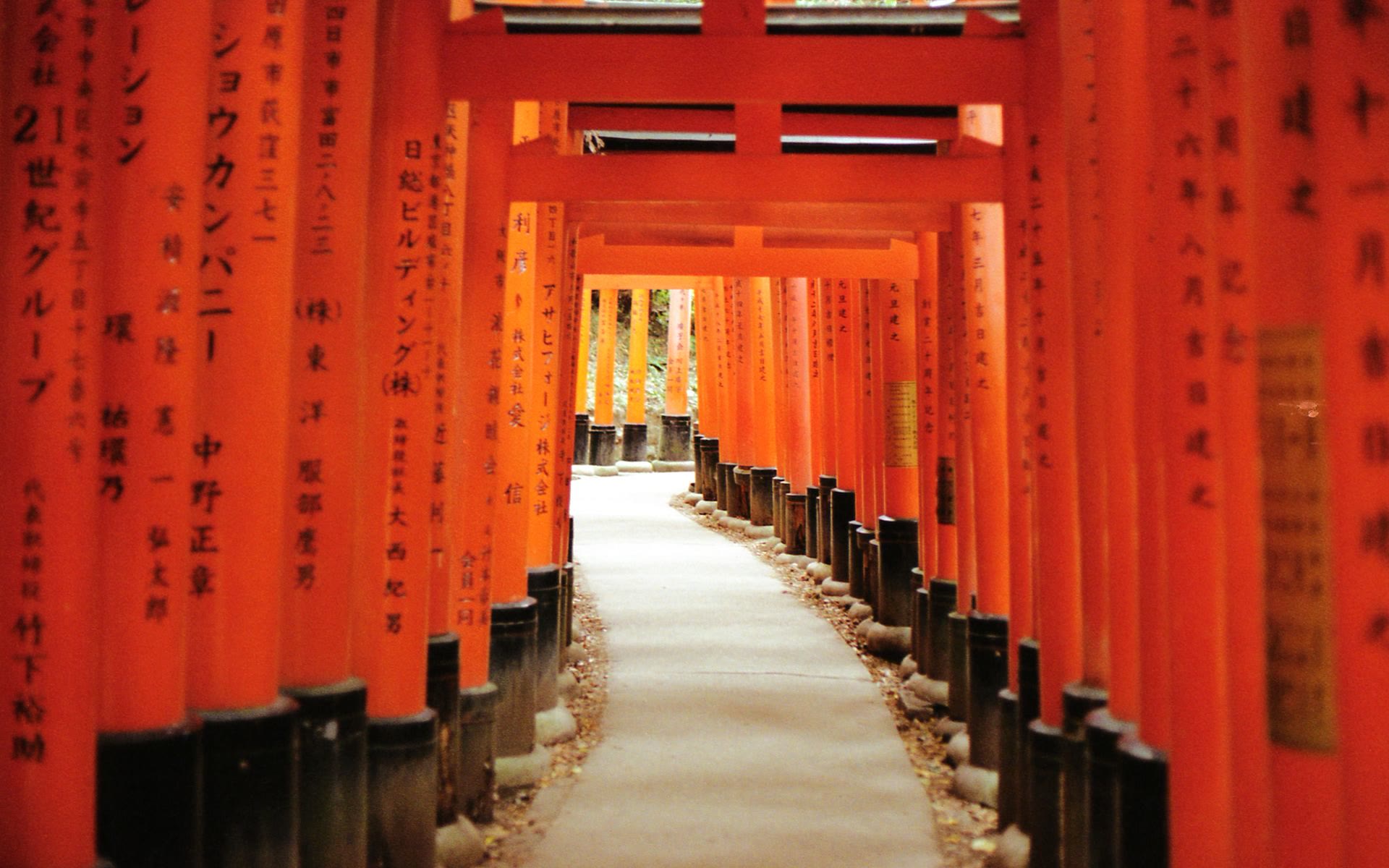
Fushimi Inari Taisha in southern Kyoto is an active Shinto shrine, and its red torii gateways run from the lower shrine onto sacred Mount Inari. You can walk as far up as your time and legs allow, and the shrine is open day and night.[1] Decide how much of the walk fits your day before you plan the rest of it.
For a first visit, see the lower shrine, Senbon Torii and Okusha Hohaisho, then decide whether to continue uphill. A shorter visit is a good visit. If you go for the full mountain circuit, start in daylight and keep enough time for the way back.
Choose the visit that fits your day
| Plan | Good fit | Allow for |
|---|---|---|
| Lower shrine and torii approach | The buildings, the worship spaces and the gateway experience without the full mountain | Other visitors and the walk back to your station |
| Continue onto the mountain, then return | The smaller sacred sites and the devotional stones | Steps, your own pace and a clear turnaround point |
| Full mountain circuit | A long walk as the main activity of your morning | About 4 km and about 2 hours[1] |
The whole visit, mountain circuit included, takes around 120 minutes.[1] Add time for photos, breaks and the trip to and from the shrine.
Things to Do
Offers are only loaded from GetYourGuide after you click. GetYourGuide can then process your IP address and set cookies. Privacy Policy
GetYourGuide partner offers. GoAsia may earn a commission if you book through these offers. Check whether tickets or transfers are included, and follow the attraction's official booking and admission rules.
JR Inari and Keihan Fushimi-inari are different stations
| Approach | On foot | Worth knowing |
|---|---|---|
| JR Nara Line to Inari Station | The shrine is right next to the station[2] | Two stops and 5 minutes from Kyoto Station; make sure your train stops at Inari[2] |
| Keihan Main Line to Fushimi-inari Station | About 5 minutes east on foot[2] | Suits you if you start along the Keihan line |
| Minami 5 city bus to Inari Taisha-mae | About 7 minutes east on foot[2] | Use it if the bus line passes your hotel |
The shrine recommends public transport because the parking areas around it are very crowded, and its parking is for shrine visitors only.[2] By car, the shrine is around 20 minutes from the Kyoto Minami Interchange on the Meishin Expressway.[2]
Understand the gates, foxes and stones
Around 10,000 torii of all sizes line the mountain paths.[3] Visitors began offering them as a way to pass prayers or thanks to the deity by the start of the Edo period.[3] The vermilion colour stands for the bountiful harvests Inari Okami gives, and it is also considered a charm against evil forces.[3]
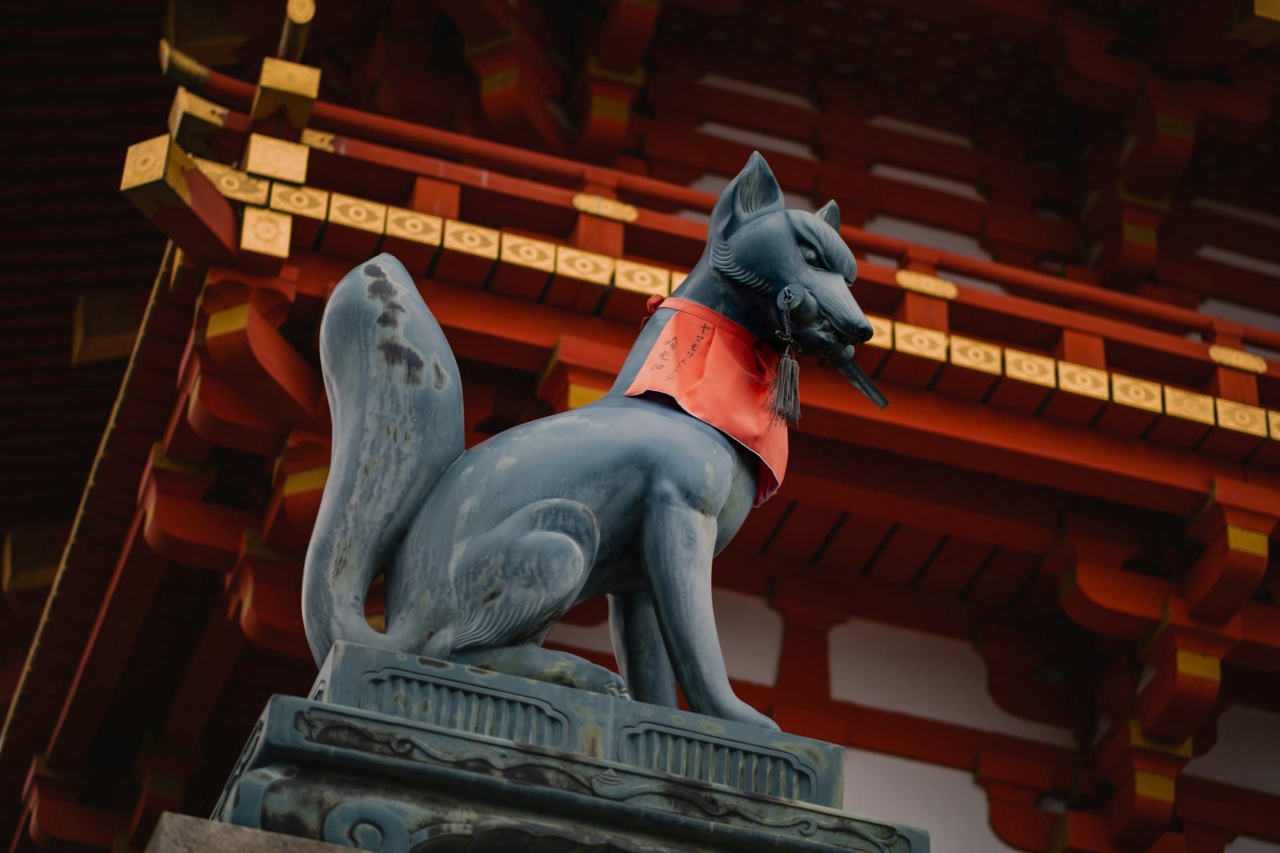
Foxes are Inari's messengers, not Inari itself. The shrine calls these unseen messengers byakkosan, "white foxes", and the fox statues you pass are their images.[3] People pray to Inari for harvests, business prosperity, the safety of the household and safety in traffic, among other blessings.[3]
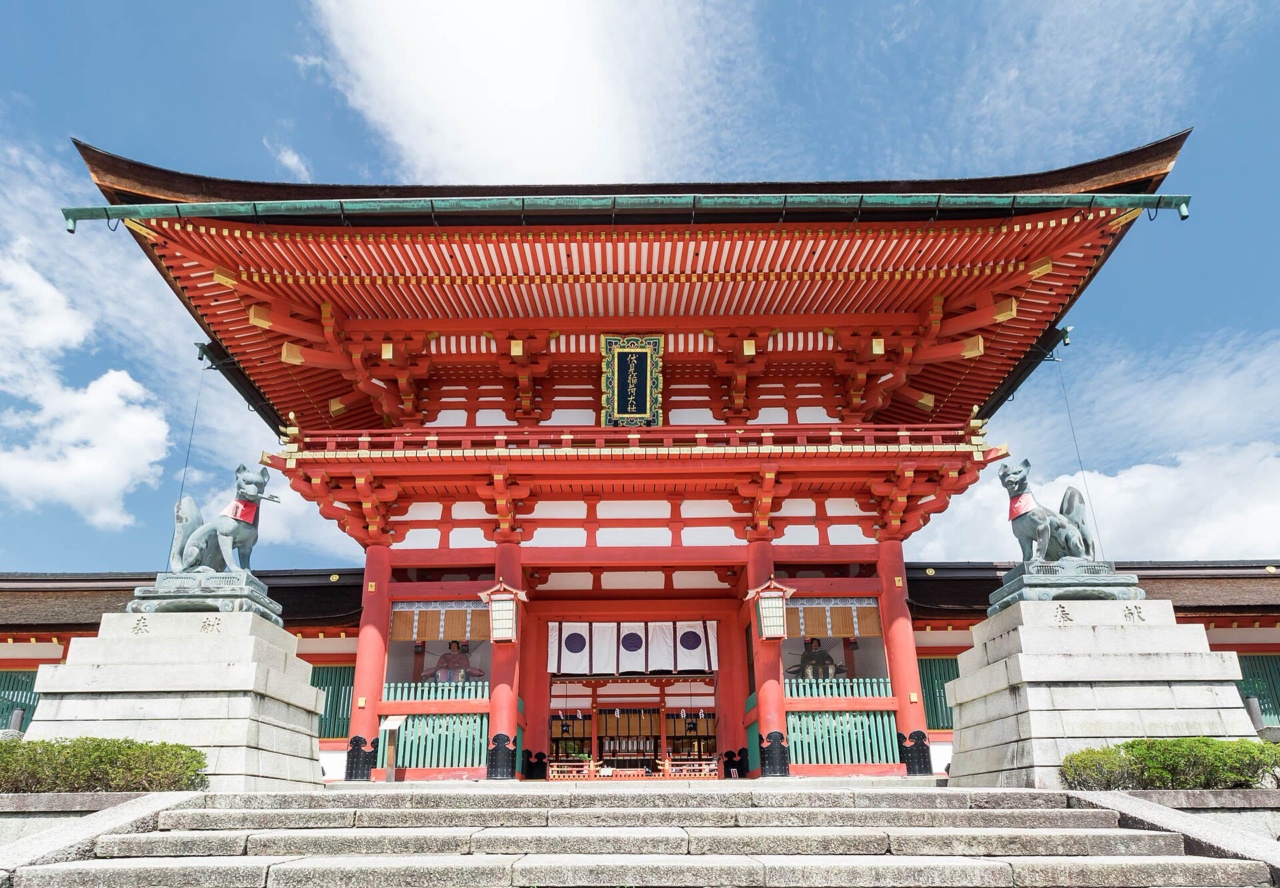
At the entrance, pause at the Romon gate. It is said to have been built by Toyotomi Hideyoshi in 1589 after he prayed for his sick mother's recovery, and a text in sumi ink found during repairs confirmed his pledge from that year.[4] The main hall was rebuilt in 1499.[1]
On the mountain you pass otsuka, stones carved with the names of deities, left as offerings by worshippers; there are now over 10,000 of them.[5] Inariyama stands 233 metres above sea level and has three peaks in a row.[5]
Walk the torii approach without rushing past worshippers
Senbon Torii, the "thousand torii", leads to Okusha Hohaisho, also called Okuno-in, in the Myobu-dani valley. People pray here to the holy mountain, whose three peaks rise right behind the building.[6] The official map shows the sites along the circuit, so you can pick the ones you want to see.[7]
In the back right-hand corner of Okusha Hohaisho stand the Omokaruishi stone lanterns. Make a wish, lift the top of the lantern, and if the stone feels lighter than you expected, the wish will come true.[6] Take your turn and do not block other worshippers.
Before you continue uphill, check your energy, water, the weather and the time you have left to return. Wear shoes with grip, because steps get slippery when wet.
Opening hours
The shrine has no closing time and welcomes worshippers day and night all year round. Entry is free.[1] Prayers and staff services run from 08:30 to 16:30, and the amulet counter is open from 08:00 to 18:00.[1] The historic Ochaya building is not open to the public.[1]
An early start helps you beat the crowds, but no hour guarantees empty torii passages. Walk the mountain in daylight, especially on your first visit.
Shrine rules
The shrine asks visitors not to block narrow approaches while taking photos, not to photograph for commercial purposes or in prohibited places, not to fly drones, not to smoke or use fire, not to climb lanterns, and not to damage buildings, torii or trees. Unauthorised entry into restricted areas, loud behaviour and sitting down in the precinct are also prohibited.[8]
Eating and drinking are allowed only in the designated free rest areas, so no eating while you walk. Do not litter, do not approach or feed wild birds and animals, and do not bring dogs or pets, except assistance dogs.[8] Dress as you would for worship: wedding dresses and similar outfits are not allowed in the precinct.[8]
Fit Fushimi Inari into your Kyoto itinerary
Treat the full circuit as a main activity of the morning. If you add another Kyoto sight, check its opening time and the transport between the two. Fushimi's sake district is not a short walk from the shrine just because both carry the name Fushimi.
Before you leave your hotel, save the station names and the map and decide where to leave your luggage. Use the Japan travel overview for the wider trip.
Sources and background
Numbers in the text such as [1] refer to these sources.
- [1] Kyoto City Official Travel Guide: Fushimi Inari Taisha (Kyoto City Official Travel Guide). Retrieved October 21, 2026.
- [2] Fushimi Inari Taisha: Access. Retrieved October 21, 2026.
- [3] Fushimi Inari Taisha: FAQ. Retrieved October 21, 2026.
- [4] Fushimi Inari Taisha: Romon. Retrieved October 21, 2026.
- [5] Fushimi Inari Taisha: Inariyama. Retrieved October 21, 2026.
- [6] Fushimi Inari Taisha: Okusha Hohaisho. Retrieved October 21, 2026.
- [7] Fushimi Inari Taisha: Map. Retrieved October 21, 2026.
- [8] Fushimi Inari Taisha: Requests to visitors (prohibited acts in the precinct, Japanese). Retrieved October 21, 2026.
Frequently Asked Questions
Yes. Entry is free and there is no closing time, so you can visit day and night. Prayers and staff services run from 08:30 to 16:30, and the amulet counter is open from 08:00 to 18:00.
The mountain circuit is about 4 km and takes about 2 hours, and a whole visit including the circuit takes around 120 minutes. A shorter visit to the lower shrine and the torii approach is also worthwhile. Add time for photos, breaks and the trip.
JR Inari Station on the Nara Line is right next to the shrine, two stops and 5 minutes from Kyoto Station. Keihan Fushimi-inari Station is a 5 minute walk east of the shrine. Make sure your JR train stops at Inari.
No. An early start helps, but no hour guarantees empty passages. Walk in daylight, and do not block worshippers or narrow paths while waiting for a photo.
Foxes are Inari's messengers, not Inari itself. Otsuka are stones carved with the names of deities, left as offerings by worshippers. Around 10,000 torii of all sizes line the mountain paths.
Eating and drinking are allowed only in the designated free rest areas. Dogs and other pets are not allowed, except assistance dogs. Do not approach or feed wild animals.
No. The lower shrine, Senbon Torii and Okusha Hohaisho are a complete visit. For a longer walk, follow the signs and the official map, and leave time to return. Inariyama stands 233 metres above sea level.