Sri Lanka is a teardrop-shaped island off the southern tip of India that punches far above its weight as a travel destination. Within a landmass smaller than Ireland, you will find eight UNESCO World Heritage Sites, rainforests teeming with leopards and elephants, surf breaks that rival anything in Southeast Asia, and a culinary tradition built on fiery curries and fresh seafood. The island has been shaped by centuries of trade, colonialism, and Buddhist devotion, leaving behind a rich tapestry of ancient ruins, colonial-era forts, and sacred temples that reward weeks of exploration.
What makes Sri Lanka particularly appealing is its accessibility. Distances are short, the people are famously hospitable, and the cost of travel remains low compared to many other destinations. You can wake up in the cool mist of a hill-country tea estate, ride a scenic train through emerald valleys, and end the day watching the sunset from a palm-fringed beach on the south coast. Few countries deliver this kind of variety in such a compact package.
The island has bounced back remarkably from past challenges, and tourism infrastructure continues to improve. From boutique guesthouses in restored colonial homes to simple beach cabanas, accommodation options suit every budget. Whether you spend a week or a month, Sri Lanka has a way of getting under your skin and drawing you back.
Top Destinations
Colombo
Sri Lanka's commercial capital is a sprawling, energetic city that many travelers rush through on their way elsewhere. That is a mistake. Colombo rewards those who linger with excellent street food around Pettah Market, a vibrant contemporary art scene, and colonial-era neighborhoods like the Fort district and Cinnamon Gardens. Gangaramaya Temple is a fascinating Buddhist complex packed with eclectic artifacts, and Galle Face Green comes alive each evening as families gather to fly kites and eat short eats from roadside vendors. The city also has the island's best dining scene, from refined Sri Lankan tasting menus to hole-in-the-wall kottu roti joints.
Sigiriya and the Cultural Triangle
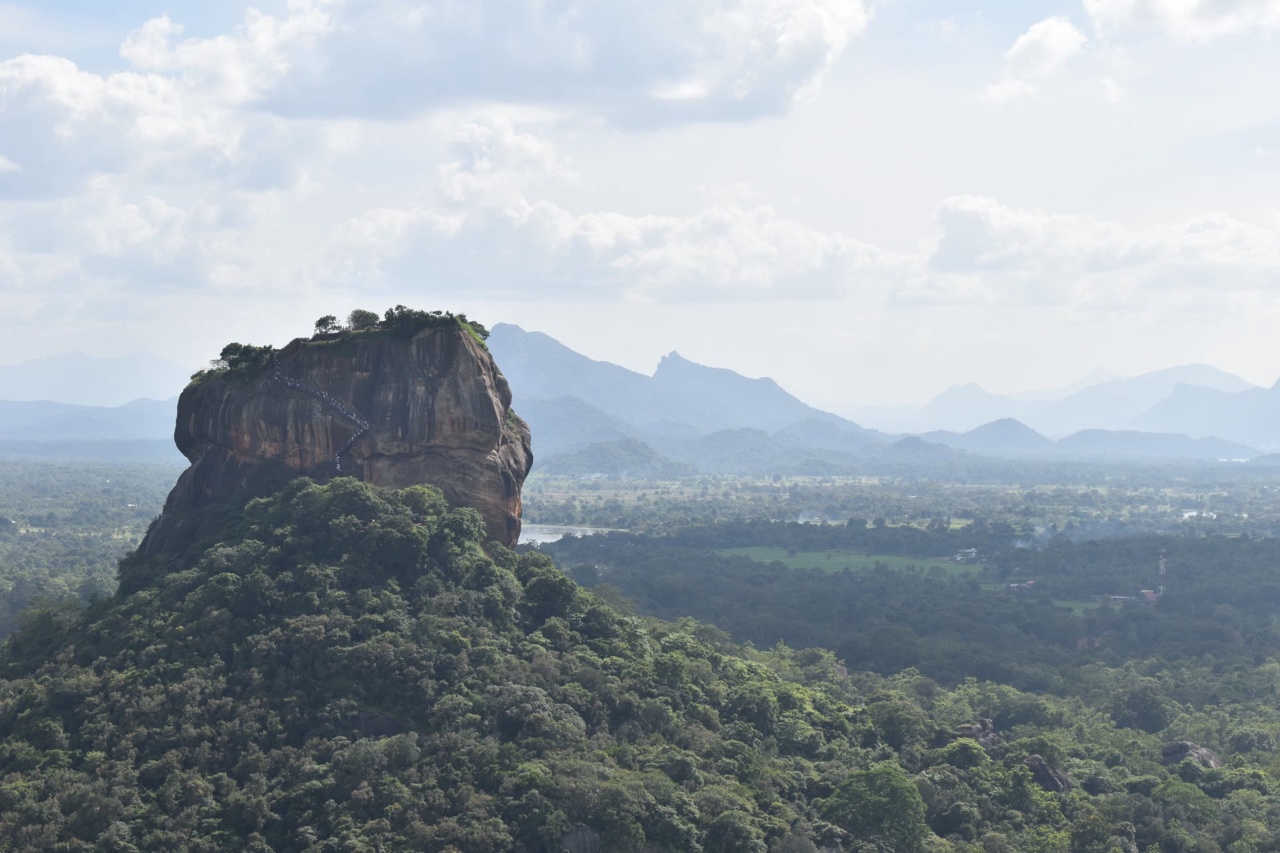
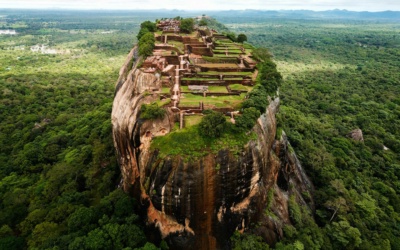
The ancient rock fortress of Sigiriya is Sri Lanka's most iconic sight. This massive granite column rises 200 meters above the surrounding plains, crowned by the ruins of a fifth-century palace. The climb to the top passes the famous Sigiriya Frescoes and the Mirror Wall, and the panoramic views from the summit are staggering. Nearby Pidurangala Rock offers a less crowded alternative with equally impressive views of Sigiriya itself. The broader Cultural Triangle encompasses the ancient cities of Anuradhapura and Polonnaruwa, both UNESCO sites with sprawling ruins of Buddhist kingdoms dating back over two millennia. Dambulla Cave Temple, with its ornate painted ceilings and dozens of Buddha statues, is another essential stop in the region.
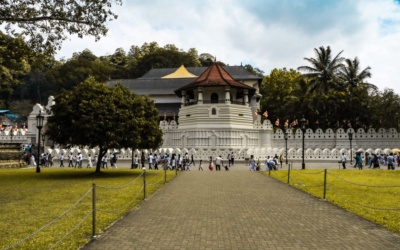
Set around a serene artificial lake in the central highlands, Kandy is the cultural heart of Sri Lanka and the last capital of the ancient Sinhalese kings. The Temple of the Tooth Relic, which houses what is believed to be a tooth of the Buddha, is the island's most sacred Buddhist site. Attending the evening puja ceremony here, with drums echoing through candlelit corridors, is one of Sri Lanka's most moving experiences. The city also serves as the gateway to the hill country and is the starting point for the famous Kandy-to-Ella train journey.
Ella and the Hill Country
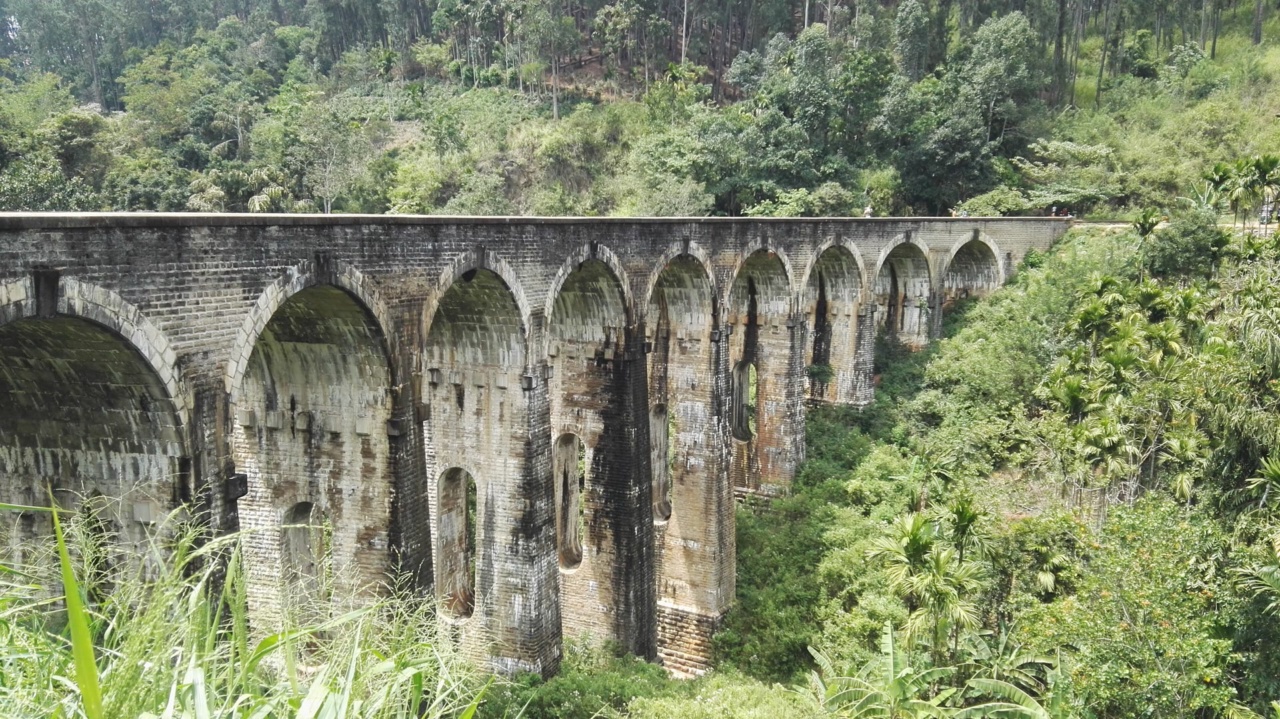
Ella is a small mountain town perched at the edge of a dramatic escarpment with views stretching all the way to the southern coast on clear days. The surrounding area offers some of Sri Lanka's best hiking, including the short but steep climb up Little Adam's Peak and the more challenging trek to Ella Rock. The Nine Arches Bridge, a colonial-era railway viaduct set among tea plantations, has become one of the island's most photographed spots. The broader hill country, including Nuwara Eliya and Haputale, is blanketed in tea estates where you can tour working factories and learn about Ceylon tea production. The cool climate is a welcome relief from the coastal heat.
Galle
Galle Fort is a perfectly preserved Dutch colonial fortification on the southwestern coast, now a UNESCO World Heritage Site. Its cobblestone streets are lined with boutique hotels, art galleries, cafes, and jewelry shops, all contained within thick rampart walls that you can walk along at sunset. The atmosphere is relaxed and photogenic, with a distinctly different feel from the rest of the island. Outside the fort walls, Galle is a working city with excellent seafood restaurants and a lively fish market. The fort serves as a great base for exploring the beaches of the south coast.
South and West Coast Beaches
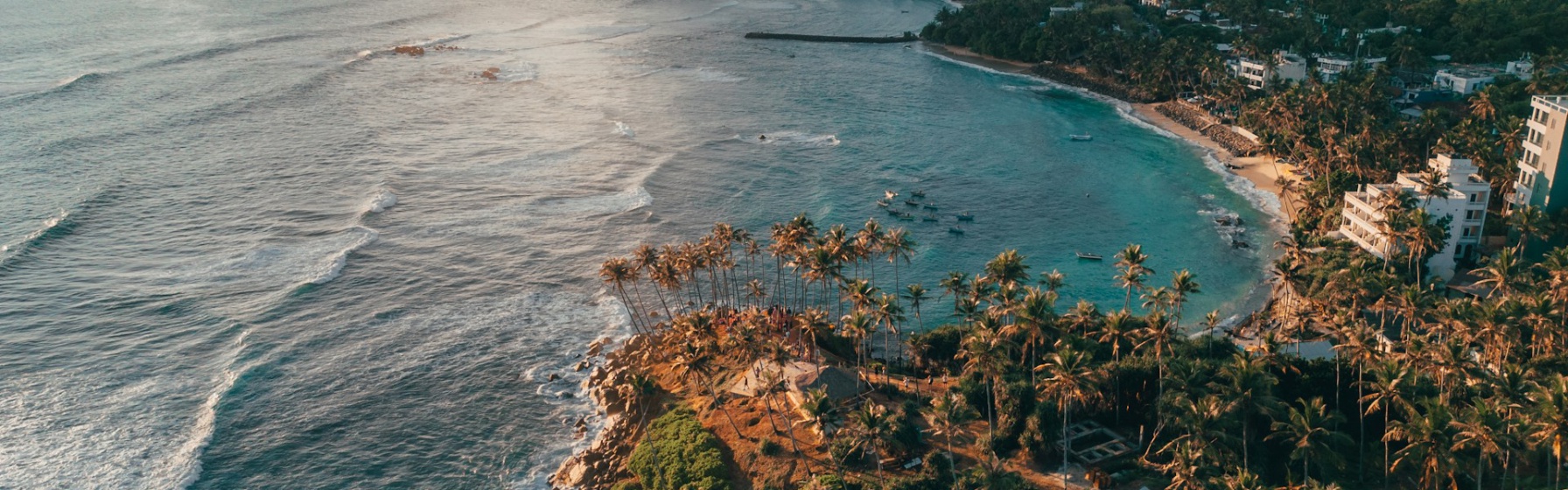
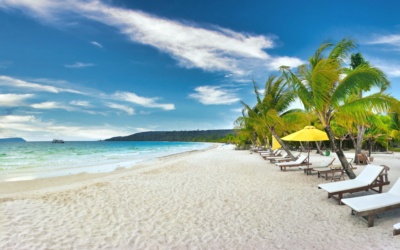
Sri Lanka's coastline offers beaches for every taste. Unawatuna, just south of Galle, is a sheltered crescent of sand popular with families and swimmers. Mirissa is the go-to spot for whale watching (blue whales and sperm whales pass close to shore) and has a lively beach bar scene. Tangalle and the area around Rekawa offer quieter stretches of sand and sea turtle nesting sites. Weligama is one of the best places in Asia to learn to surf, with gentle waves and affordable lessons. On the west coast, Negombo is convenient for early flights, while Kalpitiya is emerging as a kitesurfing destination.
East Coast
The east coast comes alive during the opposite monsoon season from the south and west, making it ideal from roughly April to September. Trincomalee has stunning natural harbors, the sacred Koneswaram Temple perched on a cliff, and nearby Nilaveli and Uppuveli beaches with calm, clear water. Arugam Bay is Sri Lanka's surf capital, a laid-back town with a strong backpacker vibe and world-class point breaks. Pasikuda offers shallow, warm waters perfect for swimming. The east coast also provides a window into Tamil and Muslim culture, with a distinctly different atmosphere from the Sinhalese-majority south and west.
Yala and Udawalawe National Parks
Sri Lanka has exceptional wildlife for its size. Yala National Park, in the southeast, has one of the highest densities of leopards anywhere in the world, along with elephants, sloth bears, crocodiles, and prolific birdlife. It can get crowded, especially near the entrance, so booking an experienced guide who knows the deeper areas of the park pays off. Udawalawe National Park is the best place on the island for elephant sightings, with herds regularly seen around the reservoir. Minneriya and Kaudulla national parks in the north-central region host the famous Gathering, where hundreds of elephants congregate around a single tank during the dry season.
Adam's Peak (Sri Pada)
This conical mountain in the southern hill country is sacred to Buddhists, Hindus, Muslims, and Christians alike, each tradition associating the footprint-shaped impression at its summit with a different holy figure. The pilgrimage season runs from December to May,[1] and the classic experience is to begin the climb around 2 AM to reach the summit for sunrise. The trail is well-lit and lined with tea stalls, and the atmosphere among fellow pilgrims is joyful and communal. Watching the sun rise above a sea of clouds with the mountain's perfect triangular shadow stretching across the landscape below is unforgettable.
Things to Do
Offers are only loaded from GetYourGuide after you click. GetYourGuide can then process your IP address and set cookies. Privacy Policy
GetYourGuide partner offers. GoAsia may earn a commission if you book through these offers. Check whether tickets or transfers are included, and follow the attraction's official booking and admission rules.
Getting Around
Sri Lanka is compact but travel times can be deceptively long due to winding roads and traffic. The island is roughly 430 kilometers from north to south, but a journey that looks short on a map can easily take several hours.
Trains: Sri Lanka's railway network is one of the most scenic in the world. The main line from Colombo through Kandy to Ella and Badulla winds through tea plantations, across bridges, and along mountain ridges with jaw-dropping views. The coastal line from Colombo to Galle hugs the shoreline. Trains are extremely affordable but often crowded. First-class observation cars and second-class reserved seats can be booked in advance through the railway department's website or at stations, but they sell out quickly. Third-class unreserved is cheap and atmospheric but can be packed. For the Kandy-to-Ella route, try to book at least a few days ahead.
Buses: An extensive bus network covers virtually every corner of the island. Government CTB buses are cheap and frequent but can be crowded and driven aggressively. Private intercity express buses are slightly more expensive but faster and more comfortable, with air conditioning on some routes. For long distances, buses are often faster than trains.
Tuk-tuks: Three-wheelers are everywhere and are the main mode of short-distance transport. Always negotiate the fare before getting in, or insist on the meter. The PickMe app works like a local ride-hailing service and is the best way to get fair prices without haggling. Uber also operates in Colombo and some other cities.
Private drivers: Hiring a car with a driver is one of the most popular and practical ways to explore Sri Lanka. Rates depend on the car, the route and the season, so agree what the price includes before you start. Your driver doubles as an informal guide and can navigate the chaotic roads while you enjoy the scenery. Most guesthouses and hotels can arrange reliable drivers, or you can book through reputable agencies online before your trip.
Domestic flights: Cinnamon Air and other operators run small seaplane and propeller-plane services connecting Colombo with destinations like Sigiriya, Trincomalee, and Batticaloa. These save significant time but are expensive compared to ground transport.
Best Time to Visit
Sri Lanka's climate is governed by two monsoon seasons, which means there is almost always a dry, sunny coast to enjoy somewhere on the island.
The southwest monsoon (Yala) hits the west and south coasts and the hill country from roughly May to September, bringing heavy rain to those regions. During this period, the east coast enjoys dry, sunny weather, making Trincomalee and Arugam Bay ideal destinations.
The northeast monsoon (Maha) affects the east and north from October to January, while the west and south coasts bask in their best weather. The peak tourist season on the south and west coasts runs from December to March, with the driest conditions and highest prices.
The Cultural Triangle in the north-central plains is relatively dry year-round, though it can be extremely hot from March to May, with temperatures exceeding 35 degrees Celsius.
The hill country around Ella and Nuwara Eliya can receive rain at almost any time of year, but the driest months are generally January to April. Mornings are often clear, with clouds and showers building in the afternoon.
For the broadest range of options, visiting between January and March gives you the best weather across most of the island. However, the shoulder months of April, November, and early December can offer lower prices and fewer crowds while still providing good conditions in many areas.
Culture and Customs
Sri Lanka is a predominantly Buddhist country, with significant Hindu, Muslim, and Christian minorities. Religion plays a central role in daily life, and you will encounter temples, shrines, and religious observances constantly during your travels.
Temple etiquette: Remove your shoes and hat before entering any Buddhist or Hindu temple. Dress modestly, covering shoulders and knees. At Buddhist sites, never pose for photos with your back to a Buddha statue, and never touch or climb on statues. It is considered disrespectful to have tattoos of the Buddha visible, and travelers have been denied entry or even deported for this in the past.
Poya days: Full moon days (poya) are public holidays in Sri Lanka, and the sale of alcohol is prohibited. Bars and liquor stores close, and some restaurants stop serving alcohol. This catches many tourists off guard, so it is worth checking the poya calendar during your trip. The upside is that temples are especially atmospheric during poya celebrations.
Greetings and respect: Sri Lankans are warm and friendly. A slight bow with hands pressed together in a prayer-like gesture (similar to the Indian namaste) is a respectful greeting, though handshakes are also common. Use your right hand for giving and receiving items, especially food. Pointing with your finger, particularly at religious objects or people, is considered rude.
Dress: Outside of beach areas, Sri Lankans dress conservatively. While no one expects tourists to wear traditional clothing, covering your shoulders and knees in towns, villages, and religious sites shows respect. Swimwear is fine at the beach but not appropriate in town.
Photography: Always ask before photographing people, especially monks and children. Some temples charge a camera fee. Be sensitive around military areas in the north and east.
Tipping: Tipping is appreciated but not obligatory. A 10% service charge is often added to restaurant bills, but an additional small tip for good service is welcome. Tipping drivers, guides, and hotel staff is customary. A small tip for a helpful tuk-tuk driver or for a private driver at the end of a trip is reasonable.
Food and Drink
Sri Lankan cuisine is one of the great underrated food traditions of Asia. It is deeply flavorful, built on a foundation of coconut, curry leaves, pandan, and an arsenal of spices that make even Thai food seem restrained by comparison.
Rice and curry: The quintessential Sri Lankan meal is a mound of rice surrounded by multiple small curries, sambols, and accompaniments. A typical spread might include dhal (lentil curry), a meat or fish curry, a vegetable curry, pol sambol (spicy coconut relish), and papadums. Every household and restaurant has its own variations, and the best rice and curry is often found at simple local eateries rather than tourist restaurants.
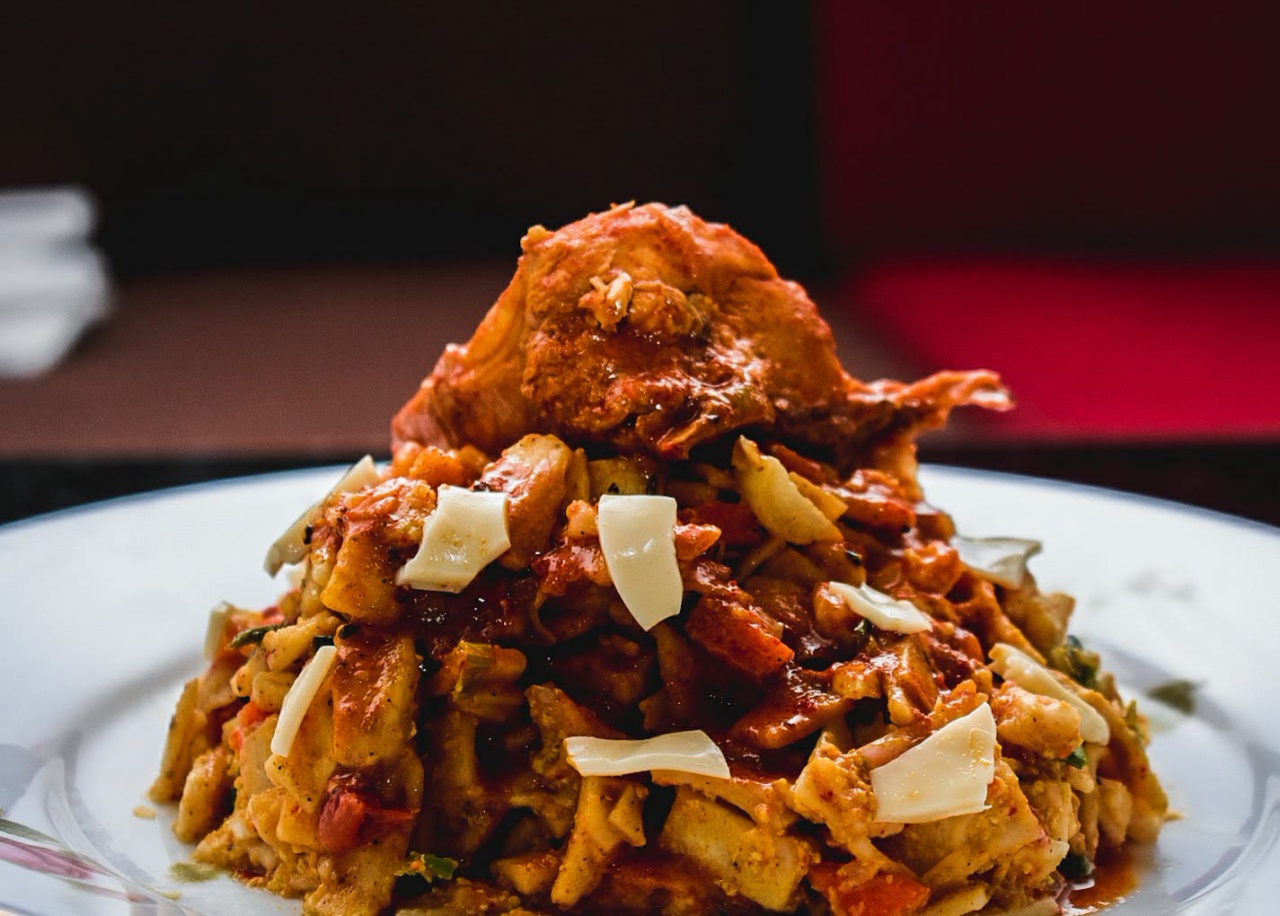
Kottu roti: Chopped roti bread stir-fried on a hot griddle with vegetables, egg, cheese, or meat, seasoned with curry sauce. The rhythmic chopping sound of kottu being prepared is the soundtrack of Sri Lankan evenings. It is hearty, cheap, and addictive.
Hoppers: Bowl-shaped crepe-like pancakes made from fermented rice flour and coconut milk, cooked in a small wok. Plain hoppers are served with curry for dipping. Egg hoppers have an egg cracked into the center. String hoppers are delicate nests of steamed rice noodles, typically eaten at breakfast with dhal and coconut sambol.
Seafood: With coastline on all sides, Sri Lanka offers superb seafood. Negombo, Jaffna, and the south coast are particularly known for fresh fish, crab, and prawns. Jaffna crab curry is legendary. Ambul thiyal (sour fish curry) from the south, made with goraka (a dried fruit), is a unique and intensely flavored dish.
Short eats: Sri Lanka's answer to snack culture, short eats are savory pastries, rolls, and fritters found in bakeries and roadside stalls everywhere. Fish cutlets, vegetable rolls, and mutton patties are popular options, and they are cheap.
Drinks: Ceylon tea needs no introduction, and drinking it fresh at a hill-country estate is a highlight. King coconut (thambili), sold from roadside stands, is the perfect natural refresher in the heat. Arrack, a spirit distilled from coconut flower sap, is the national liquor and is best enjoyed with ginger beer as an arrack sour. Fresh fruit juices, particularly lime and wood apple, are widely available.
Spice levels: Sri Lankan food is genuinely spicy. If you have a low tolerance for heat, ask for your food mild (but expect it to still have a kick). Most restaurants catering to tourists will tone things down, but local spots serve food at full intensity.
Food safety: Street food is generally safe if it is freshly prepared and the stall is busy. Stick to cooked food from vendors with high turnover. Tap water is not safe to drink; use bottled or filtered water. Fruit that you can peel yourself is always a safe bet.
Visa and Entry Requirements
All foreign nationals, apart from a few exceptions such as holders of certain official passports, must obtain an Electronic Travel Authorization (ETA) before arriving in Sri Lanka.[2] You can apply online, through a third party such as a travel agent or airline, at a Sri Lankan overseas mission, or on arrival at Colombo airport, which is a limited facility with higher fees.[2] An ETA holder must enter Sri Lanka within 3 months of the date of issue.[2]
Since 25 May 2026, nationals of 40 countries, including Australia, Canada, China, France, Germany, India, Japan, the United Kingdom and the United States, can get the 30-day tourist ETA free of charge. Singapore and Seychelles nationals also receive 30 days free, and Maldivians receive 90 days.[3] Other nationalities pay a fee: for most nationalities outside South Asia, the tourist ETA costs US$50 when applied for online or at a mission and US$60 on arrival, while South Asian nationals pay US$20 and US$25. Children under 12 of any nationality get a free tourist ETA for up to 30 days.[3] Rules and fees change, so check the official ETA website before you book.
You need a passport valid for at least 6 months from the date of arrival, a confirmed return ticket and sufficient funds for your stay. Keep a copy of the ETA approval with you for the port of entry.[2] The tourist ETA is limited to 30 days from arrival, with double entry allowed; on the second entry only the balance of the 30 days is granted.[4]
If you want to stay longer, you can apply for an extension at the visa section of the Department of Immigration and Emigration head office in Colombo or through its online e-Visa extension portal. A short visit visa can be extended to a maximum of 270 days from arrival: 30 days on entry, 60 days at the first extension and 90 days each at the second and third.[5]
Safety and Health
General safety: Sri Lanka is considered one of the safer countries in South Asia for travelers. Violent crime against tourists is rare. Petty theft and bag snatching can occur in crowded areas, so take normal precautions with valuables. Solo female travelers generally report feeling safe, though unwanted attention can occur, particularly in less touristy areas.
Road safety: This is arguably the biggest risk for travelers. Sri Lankan roads can be chaotic, with aggressive driving, overtaking on blind corners, and a mix of vehicles, pedestrians, and animals sharing narrow roads. Hiring a driver rather than self-driving is strongly recommended. If you rent a scooter or motorbike, wear a helmet and drive defensively.
Wildlife: Be cautious around wild elephants, especially when driving through national parks or rural areas at dusk. Elephants can be unpredictable and dangerous. In the ocean, rip currents are a serious hazard on many beaches, particularly on the south coast. Swim where lifeguards are present and heed warning flags.
Health: Dengue fever, transmitted by mosquitoes, is present throughout the island. Use insect repellent, especially during daylight hours when dengue-carrying mosquitoes are most active. WHO certified Sri Lanka malaria-free in 2016, and WHO's 2026 update notes that imported cases and the presence of mosquito vectors keep surveillance necessary; this status does not mean there are no other mosquito-borne illnesses.[6] Consult a travel health professional before your trip about recommended vaccinations, which may include hepatitis A and B, typhoid, and routine boosters.
Sun and heat: The tropical sun is intense, particularly in the Cultural Triangle and coastal areas. Sunscreen, a hat, and staying hydrated are essential. Heat exhaustion is a real risk if you are doing active sightseeing in the middle of the day.
Scams: Common tourist scams include tuk-tuk drivers taking you to gem shops or spice gardens where they earn commissions, inflated prices at tourist sites, and unsolicited guides who demand payment. Be polite but firm in declining unwanted help, agree on prices before services are rendered, and be wary of gem deals that seem too good to be true. They always are.
Budget Tips
Sri Lanka remains one of Asia's best-value destinations, though prices have risen in recent years.
Accommodation: Guesthouses and hostels are the cheapest option, boutique hotels and rental apartments cost more, and Sri Lanka also has some stunning luxury properties, including converted colonial mansions and Geoffrey Bawa-designed hotels.
Food: Eating at local restaurants and street stalls is much cheaper than at tourist-oriented restaurants. Cooking classes are a great investment, as you will learn to recreate the flavors at home.
Transport: Trains and buses are extremely affordable. A second-class train ticket from Kandy to Ella costs LKR 600, about $2.[7] Tuk-tuks are cheap for short trips. A private driver for a multi-day tour is the biggest transport expense but offers excellent value when split between two or more travelers.
Entrance fees: Foreign visitors pay US$35 for Sigiriya and US$30 each for Anuradhapura and Polonnaruwa.[8] National parks such as Yala charge separate entry and jeep fees, so budget for them carefully.
Currency: The Sri Lankan rupee (LKR) is the local currency. ATMs are widely available in towns and cities, though they can be scarce in rural areas. Carry cash for small purchases, tuk-tuks, and local restaurants. Credit cards are accepted at most hotels and upscale restaurants. Visa and Mastercard are the most widely accepted. Notify your bank before traveling to avoid card blocks.
Bargaining: Bargaining is expected at markets and for tuk-tuk rides (when not using a meter or app), but not at restaurants or shops with fixed prices. Be fair and good-humored about it. Aggressive haggling is not part of Sri Lankan culture.
Money-saving tips: Travel by train and bus wherever possible. Eat where locals eat. Visit lesser-known alternatives to major attractions (Pidurangala instead of Sigiriya, Minneriya instead of Yala). Travel during shoulder season for lower accommodation rates. Buy a local SIM card on arrival for cheap data and calls rather than relying on international roaming.
Sources and background
Numbers in the text such as [1] refer to these sources.
[1]Sri Lanka Tourism Development Authority: Sri Pada mountain. Retrieved October 15, 2026.