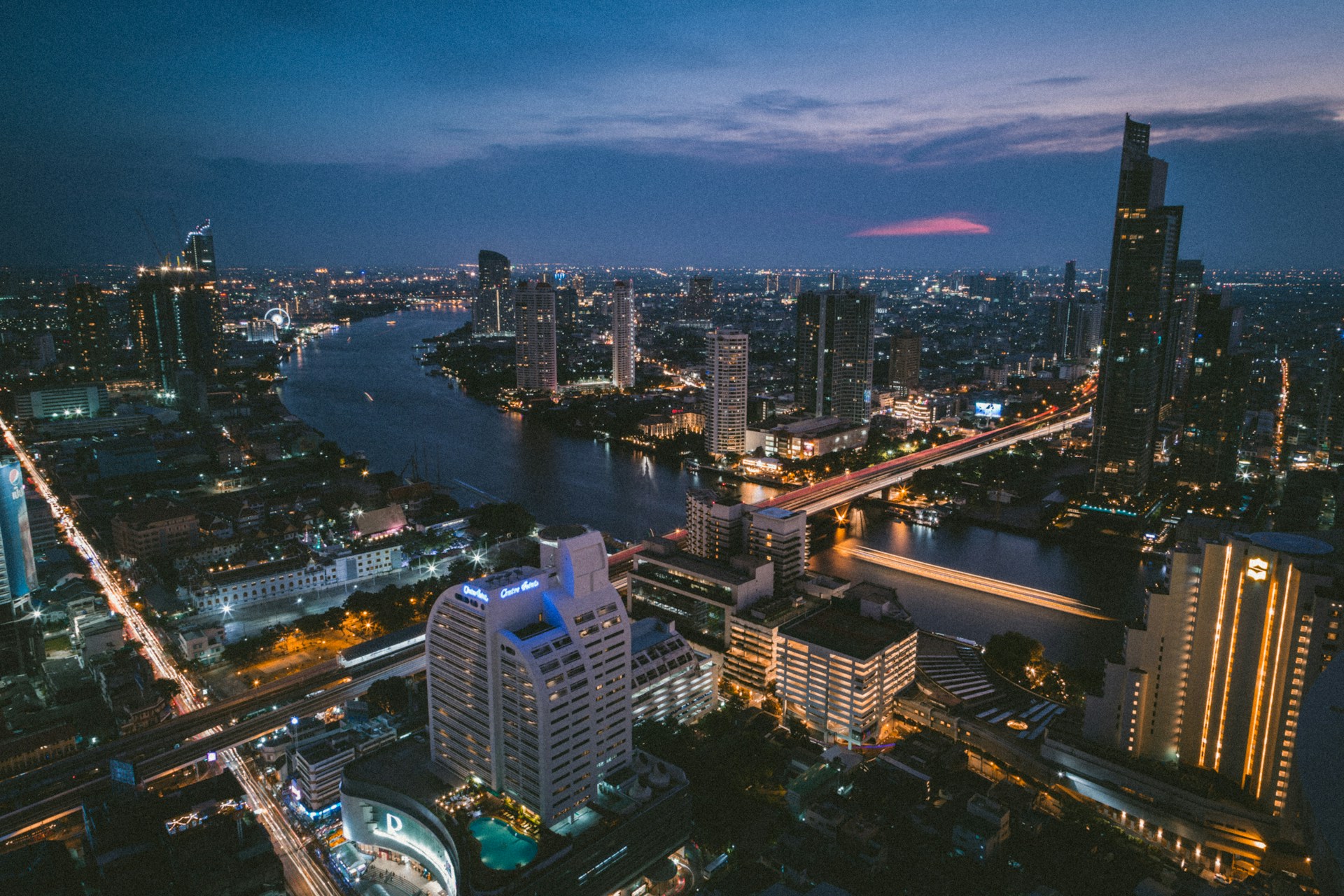
Bangkok is a sensory overload in the best possible way - a city where gilded temple spires rise above tangled power lines, where a Michelin-starred meal costs less than a coffee back home, and where the chaos somehow always works.
The first thing Bangkok hits you with is the heat. Step out of an air-conditioned BTS train and the humidity wraps around you like a warm towel. The second thing is the smell - charcoal smoke from a pad thai cart mixing with jasmine garlands and exhaust fumes. The third is the sheer visual density: a 7-Eleven wedged between a 400-year-old shrine and a rooftop cocktail bar, all on the same block. This is a city that refuses to be just one thing.
Bangkok works for nearly every type of traveler. Backpackers have been passing through for decades, drawn by cheap guesthouses and full moon party connections. Foodies arrive with spreadsheets of hawker stalls to hit. Luxury travelers book riverside suites and spa treatments that cost a fraction of what they would in Singapore or Tokyo. Families find surprisingly kid-friendly malls, aquariums, and boat rides. Solo travelers discover a city that is easy to navigate alone and almost impossible to feel lonely in.
What makes Bangkok genuinely special is the layering. The city never bulldozed its past to build its future - it just stacked one on top of the other. A canal-side community from the Ayutthaya era sits behind a 50-story condo tower. A street vendor who has been grilling satay for 30 years operates next to a craft cocktail bar that opened last month. This layering means there is always something to discover, even on your fifth or tenth visit.
Orientation and Neighborhoods
Bangkok sprawls across a flat river plain bisected by the Chao Phraya River. The city has no single center, but rather a collection of distinct districts connected by the BTS Skytrain, MRT subway, and a web of express boats.
Rattanakosin (Old City)
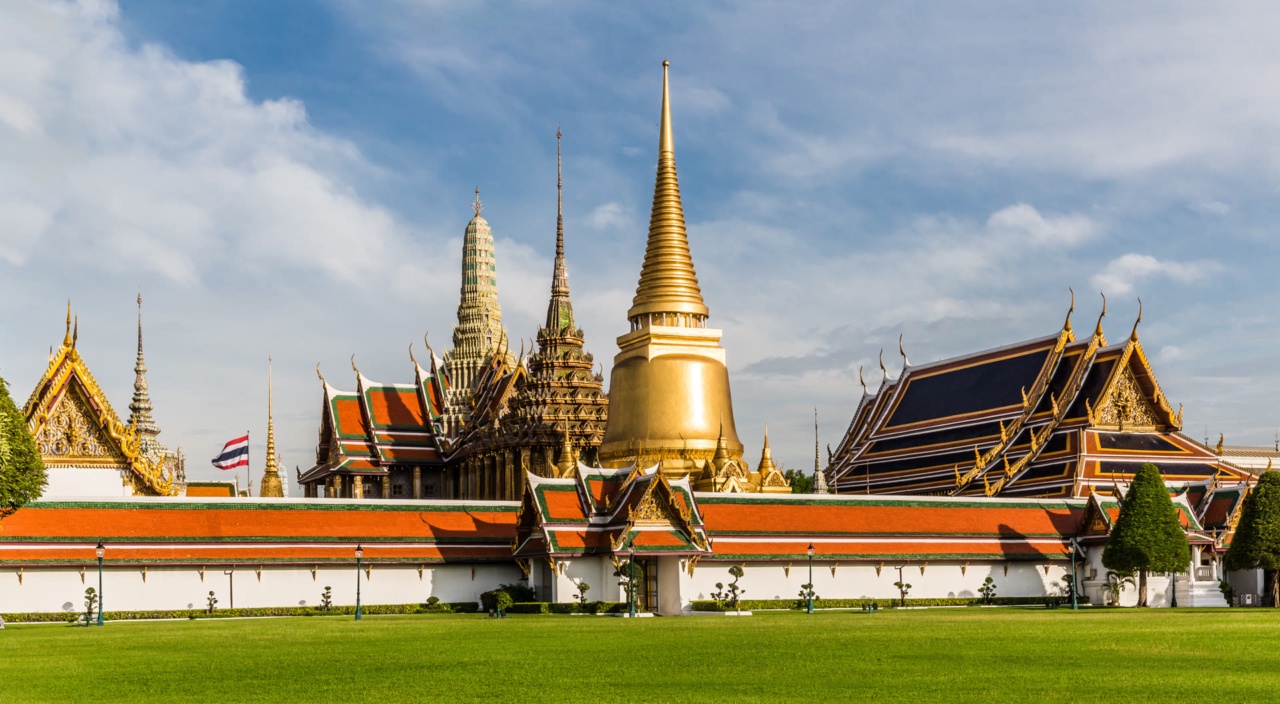
Bangkok's historic heart is home to the Grand Palace and Wat Pho, with Wat Arun across the river. The MRT Blue Line serves the Old City: Sanam Chai station (BL31) is convenient for Wat Pho and Museum Siam. Streets can still be congested, so walking and river boats are useful for the final part of your journey. Stay here if temples and history are your priority.
The legendary backpacker strip is louder and more commercialized than its reputation suggests, but the surrounding Banglamphu neighborhood has genuine charm - quiet guesthouses, canal-side walks, and excellent street food. Good for budget travelers who want walkable access to the Old City.
Silom and Sathorn
Bangkok's financial district by day transforms at night with rooftop bars, the Patpong night market, and some of the city's best restaurants. A good base for mid-range and upscale travelers who want easy BTS access and a mix of business-district efficiency with nightlife.
Sukhumvit
A seemingly endless road stretching east, lined with hotels, malls, restaurants, and nightlife. Lower Sukhumvit (Nana to Asok, BTS stations Nana through Phrom Phong) is the expat hub with international dining. Upper Sukhumvit (On Nut and beyond) is more local, cheaper, and increasingly hip. This is where most first-timers end up staying, and for good reason - transport connections are excellent.
Chinatown (Yaowarat)
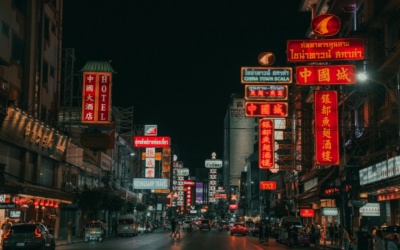
One of the world's great Chinatowns. The daytime gold shops and market stalls give way to arguably Bangkok's best street food scene after dark. The MRT now has a station here (Wat Mangkon), making it far more accessible than before. Not many hotels, but worth repeated evening visits.
Riverside
The strip along the Chao Phraya hosts Bangkok's grandest hotels - Mandarin Oriental, Peninsula, Shangri-La. Quieter and more refined than the rest of the city, with easy boat access to the Old City. Ideal for luxury travelers and couples.
Ari and Chatuchak
North of the center, Ari is a leafy neighborhood popular with young Thais, full of independent cafes and restaurants. Chatuchak is home to the famous weekend market. Both are on the BTS line and offer a more local feel.
Things to Do
Offers are only loaded from GetYourGuide after you click. GetYourGuide can then process your IP address and set cookies. Privacy Policy
GetYourGuide partner offers. GoAsia may earn a commission if you book through these offers. Check whether tickets or transfers are included, and follow the attraction's official booking and admission rules.
Best Time to Visit
Bangkok is hot year-round, but there are meaningful differences between seasons that affect your experience.
Season
Months
Weather
Crowds
Prices
Cool Season
Nov - Feb
Warm days (around 30C/86F), cooler evenings, low humidity, rare rain
High
Higher
Hot Season
Mar - May
Extreme heat (35-40C/95-104F), humid, some afternoon storms
Moderate
Moderate
Rainy Season
Jun - Oct
Daily downpours (usually 1-2 hours in afternoon), warm, very humid
Low
Lower
The cool season from November through February is the most comfortable and the peak tourist period. Hotel prices rise and popular sites get crowded. The sweet spot is late October or early November, when rains taper off but peak-season pricing has not fully kicked in.
The rainy season is underrated. Mornings are usually dry, and the afternoon storms are dramatic but brief. Hotel deals are significant, and major attractions are far less crowded. The main downside is occasional flooding in low-lying areas and higher humidity.
Songkran (Thai New Year, April 13-15) turns the entire city into a water fight. It is exhilarating but chaotic - many businesses close, and you will get soaked if you step outside. Loy Krathong (usually November) is a beautiful lantern and floating-basket festival worth timing a visit around.
Getting There and Getting Around
Suvarnabhumi Airport (BKK) is the main international gateway, located about 30 km east of the city center. The Airport Rail Link connects to the BTS network at Phaya Thai station.[1] Metered taxis to Sukhumvit or Silom typically cost $8-15 including expressway tolls, depending on traffic. Avoid the taxi touts inside arrivals - use the official taxi queue on the ground floor.
Don Mueang Airport (DMK) handles many budget airlines. It has a rail connection: the SRT Red Line links Don Mueang station with Krung Thep Aphiwat, where you can continue by MRT or other transport. Allow time to walk between the terminal and station and check the operator's current timetable. Taxis and airport buses are alternatives if they suit your destination or luggage better.
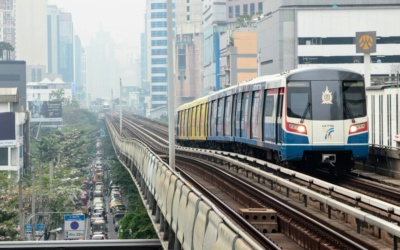
The BTS Skytrain and MRT subway are the backbone of getting around. Together they cover most tourist areas except the Old City. Single rides cost $0.50-1.50. Buy a stored-value Rabbit card for the BTS to skip ticket queues; the card costs 120 baht (about $4) to issue and tops up from 100 baht.[2] The MRT accepts contactless bank cards at most stations.
The Chao Phraya Express Boat is an underused gem - fast, cheap, and scenic, running from the southern end of the river up past the Grand Palace. The orange-flag line charges a flat 19 baht (about $0.56) per ride.[3]
Grab (Southeast Asia's Uber equivalent) works well in Bangkok and is often cheaper than metered taxis. Expect $2-5 for most trips within central Bangkok outside of rush hour. During rush hour (roughly 7-9 AM and 5-8 PM), traffic is genuinely terrible - a 5 km trip can take an hour by car. Use the BTS or MRT during these times. You can find more detailed transport options and routes on GoAsia.cc.
Motorcycle taxis (guys in orange vests) are fast and cheap for short hops but terrifying if you are not used to weaving through Bangkok traffic. Tuk-tuks are a tourist experience, not practical transport - always negotiate the fare before getting in, and expect to pay $3-5 for short trips.
Walking is viable within individual neighborhoods but not between them. Sidewalks are uneven, often blocked by vendors, and the heat makes long walks exhausting. That said, exploring Chinatown, the Old City, or Sukhumvit sois on foot is part of the Bangkok experience.
Top Sights and Experiences
Must-See Attractions
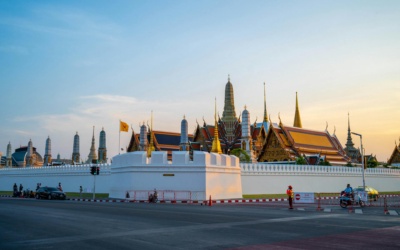
Grand Palace and Wat Phra Kaew: The single most important sight in Bangkok. The Emerald Buddha temple within the palace complex is stunning - layer upon layer of gold, mosaic, and intricate detail. Arrive right at the 8:30 AM opening to beat the worst crowds. Foreign visitors pay 500 baht (about $15), which includes Wat Phra Kaew and the Queen Sirikit Museum of Textiles and is valid for 7 days; tickets are sold until 15:30.[4] Dress code is strictly enforced: cover shoulders and knees (sarongs available to borrow). Allow 2-3 hours.
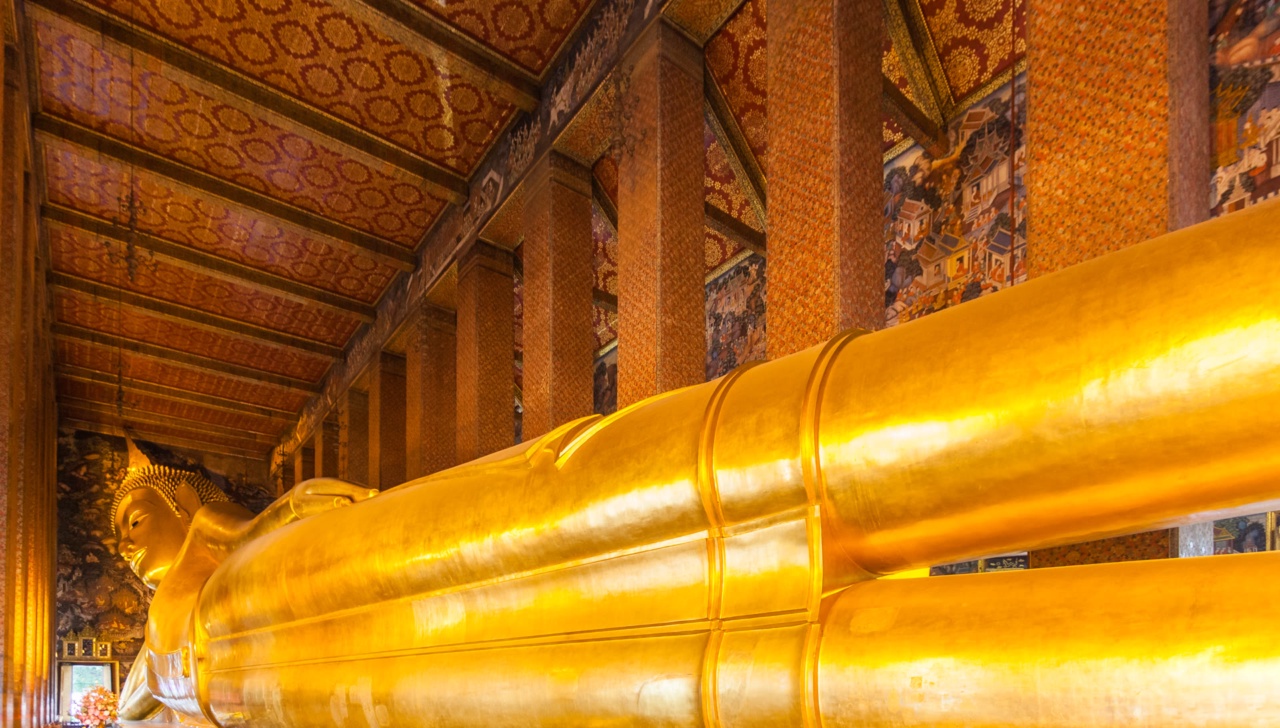
Wat Pho: Home to the massive reclining Buddha (46 meters long) and the country's most respected traditional massage school. Less crowded than the Grand Palace and arguably more atmospheric. Wat Pho is open daily from 08:00 to 19:30 and admission is 300 baht (about $9). Thai massage costs 340 baht for 30 minutes, 520 baht for 60 minutes and 1,040 baht for 120 minutes.[5] Visit in the late afternoon when tour groups thin out.
Wat Arun: The Temple of Dawn sits across the river from Wat Pho and is best photographed from the east bank at sunset. You can climb partway up the central prang for river views. The temple is open daily from 08:00 to 18:00 and foreign adults pay 200 baht (about $6).[6]
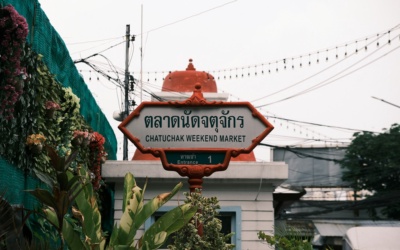
Chatuchak Weekend Market: More than 8,000 stalls in 27 sections,[7] open Saturday and Sunday from 9 AM to 6 PM with free entry.[8] Arrive early to beat the heat and crowds. Sections 2-4 have the best vintage clothing, sections 7-9 have home decor, and the food stalls along the edges serve excellent coconut ice cream and pad thai. Bargaining is expected - start at 60-70% of the asking price.
Chinatown at Night: Yaowarat Road after dark is Bangkok's most electric food scene. Grilled seafood, rolled noodles, bird's nest soup, and mango sticky rice stalls line the street. Come hungry around 6-7 PM and just follow the crowds and the smoke. The MRT Wat Mangkon station puts you right in the middle of it.
Lesser-Known Gems
Jim Thompson House: A beautifully preserved traditional Thai house complex built by the American silk entrepreneur who mysteriously disappeared in Malaysia. Visits are by guided tour, in English and several other languages, and the house is a peaceful escape from the city. It is open daily from 10:00 to 17:00 and adults pay 250 baht (about $7).[9] Located near BTS National Stadium.
Khlong Bang Luang Artist Community: A canal-side village on the Thonburi side of the river where traditional wooden houses have been converted into art studios and galleries. Free to visit, quiet, and a world away from tourist Bangkok. Combine with a longtail boat tour of the canals.
Wat Saket (Golden Mount): A hilltop temple offering 360-degree views of the Old City. The climb of 320 steps is manageable and the crowds are a fraction of the Grand Palace. The temple is open from 07:00 to 19:00 and foreign adults pay 100 baht (about $3).[10] Best visited in the late afternoon.
Talat Noi: A crumbling, photogenic neighborhood between Chinatown and the river filled with street art, old Chinese shrines, and tiny coffee shops. Walk the lanes without a plan and discover it organically. No entry fees, no crowds.
Overrated Attractions
Khao San Road: Worth a brief walk-through for the spectacle, but the cheap buckets of alcohol, counterfeit goods, and aggressive touts get old fast. The surrounding Banglamphu lanes are far more interesting.
Floating Markets near Bangkok: Damnoen Saduak, the most famous, is a tourist production line - overpriced, overcrowded, and largely performative. If you want a floating market, Amphawa (open Friday to Sunday, about 90 minutes away) is more authentic but still touristy. The real floating market experience barely exists anymore.
Safari World: Often pushed by tour operators, but the animal shows raise serious welfare concerns. Skip it in favor of ethical alternatives or simply spend that day exploring the city.
Food and Drink
Bangkok is one of the greatest food cities on earth, full stop. The depth and variety here is staggering - from a $1 plate of rice and curry from a street cart to a $200 tasting menu at a Michelin-starred restaurant, and everything in between is excellent.
Signature Dishes
Dish
Description
Where to Try
Typical Price
Pad Thai
Stir-fried rice noodles with shrimp, tofu, peanuts, lime - the national icon
Street stalls on Charoen Krung Rd or Sukhumvit sois
$1-2
Som Tum
Green papaya salad, pounded to order - ranges from mildly spicy to volcanic
Isan (northeastern Thai) restaurants throughout the city
$1-2
Khao Man Gai
Poached chicken over fragrant rice with a ginger-chili sauce - Bangkok's comfort food
Dedicated shophouse restaurants in Pratunam area
$1-1.50
Boat Noodles
Tiny, intensely flavored bowls of pork or beef noodle soup - order 3-5 bowls per person
Victory Monument area alleyways
$0.50 per bowl
Mango Sticky Rice
Ripe mango with coconut-cream sticky rice - best March through June during mango season
Chinatown stalls, Chatuchak Market
$1.50-2
Tom Yum Goong
Hot and sour shrimp soup with lemongrass, galangal, and lime leaves
Sit-down restaurants along the river or in Silom
$3-6
Kuay Jap
Rolled rice noodles in peppery pork broth with offal - a Chinatown specialty
Yaowarat Road evening stalls
$1.50-2
Where and How to Eat
Street food is Bangkok's soul. The best meals often come from vendors who have perfected a single dish over decades. Look for stalls with long lines of Thai customers - they know. Most street food is safe; the high turnover means ingredients are fresh. Avoid anything that has been sitting out without heat.
Chinatown (Yaowarat) is the undisputed king of street food after dark. Sukhumvit sois (side streets) between Nana and On Nut are packed with both Thai and international options. The Silom area has excellent lunch spots catering to office workers. Ari neighborhood has a thriving cafe and brunch scene.
For sit-down meals, Bangkok offers incredible value. A solid mid-range Thai restaurant meal with drinks runs $8-15 per person. Upscale Thai restaurants with refined presentations and air conditioning cost $20-40. International cuisine (Japanese, Italian, Indian) is abundant and generally good, especially along Sukhumvit.
Bangkok's bar scene has exploded. Rooftop bars are a signature experience - expect to pay $10-15 per cocktail at places with skyline views. For cheaper drinks, the craft beer scene in Ari and Thonglor is growing, though Thai excise taxes make craft beer pricier than you would expect (around $5-7 per pint). Thai beer (Chang, Singha, Leo) costs $1.50-2.50 at most restaurants.
Where to Stay
Budget (Under $25 per night)
Khao San Road and Banglamphu have the highest concentration of hostels and budget guesthouses, starting around $8 for a dorm bed and $15-20 for a private room. Sukhumvit sois near On Nut BTS also have surprisingly good budget hotels for $18-25 with air conditioning and pools. Quality varies wildly - check recent reviews.
Mid-Range ($25-80 per night)
Bangkok's sweet spot. You can get a well-designed boutique hotel with pool, breakfast, and excellent location for $40-60 in the Sukhumvit or Silom areas. Ari and Saphan Taksin neighborhoods offer quieter mid-range options with good BTS access. Many mid-range hotels in Bangkok would pass for upscale properties in pricier Asian cities.
Upscale ($80-250+ per night)
The riverside luxury hotels (Mandarin Oriental, Peninsula, Capella) are world-class and offer rates significantly below equivalent properties in Hong Kong or Tokyo. Expect $150-300 per night for a river-view room. Sukhumvit and Silom also have excellent five-star options in the $80-150 range. Serviced apartments are worth considering for stays of a week or longer, offering kitchen facilities and more space.
A unique Bangkok experience is staying in a converted traditional Thai house or a heritage shophouse hotel in the Old City or Chinatown area. Several boutique properties have opened in restored buildings, offering character that chain hotels cannot match.
Practical Tips
Safety: Bangkok is generally safe for tourists, including solo female travelers. Violent crime against visitors is rare. The main risks are scams, not violence.
The most common scam: a friendly stranger tells you the Grand Palace is closed today and offers to take you to a "special" temple or gem shop instead. The Grand Palace is not closed. Walk away.
Tuk-tuk drivers offering suspiciously cheap rides (10 baht) will take you to commission-paying shops. Decline firmly.
Jet ski and motorbike rental scams are more common on the islands, but be cautious if offered these in Bangkok.
Avoid buying gems or jewelry from shops recommended by strangers. This scam has been running for decades and still catches people.
Money: The Thai Baht (THB) is the currency. Cash is still king for street food, markets, and small shops. ATMs are everywhere but charge a flat fee of around $6 per withdrawal - withdraw larger amounts to minimize fees. Credit cards are accepted at malls, hotels, and upscale restaurants. Tipping is not traditionally Thai but has become common in tourist areas - rounding up or leaving 20-50 baht at restaurants is appreciated. No tip is expected for street food or taxis.
SIM Cards: Buy a tourist SIM at the airport arrivals hall from AIS, TrueMove, or DTAC. Around $8-10 gets you a week of unlimited data. Coverage is excellent throughout the city. Free Wi-Fi is available in most cafes, malls, and hotels.
Language: English is widely understood in tourist areas, hotels, and restaurants. Taxi drivers and street vendors often speak limited English - having your destination written in Thai on your phone helps enormously. Learning basic Thai phrases (hello: sawasdee krap/ka; thank you: khop khun krap/ka) is appreciated and gets smiles.
Cultural Etiquette:
The Thai monarchy is deeply revered. Never make disrespectful comments about the royal family - lese-majeste laws carry serious penalties.
Remove shoes before entering temples and homes. Dress modestly at temples: cover shoulders and knees.
The head is considered sacred; do not touch anyone's head. Feet are considered low; do not point your feet at people or Buddha images.
The wai (a prayer-like gesture with a slight bow) is the traditional greeting. You do not need to initiate it, but returning a wai is polite.
Stay calm in all situations. Raising your voice or showing anger causes loss of face and will not help resolve problems.
Day Trips
Ayutthaya
The ruined former capital of Siam, about 80 km north. Reachable by train (roughly 2 hours, under $1 for third class) or minivan (about 90 minutes, around $3-4). The sprawling temple ruins are atmospheric and far less crowded than Angkor Wat. Rent a bicycle at the train station for about $2 to explore the island. A full day is enough to see the major sites. Highly recommended.
Home to the Bridge over the River Kwai and sobering WWII museums, about 130 km west. Minivans from Bangkok's Southern Bus Terminal take roughly 2.5 hours and cost around $4. The Erawan National Park, with its seven-tiered waterfall, is another 70 km beyond town and worth the extra effort if you have a full day. Best as an overnight trip rather than a rushed day trip.
Amphawa and Maeklong
Often combined into one day trip. Maeklong Railway Market (the one where the train passes through the market stalls) is a genuinely wild sight - the trains arrive at 08:30, 11:10, 14:30 and 17:40 and leave at 06:20, 09:00, 11:30 and 15:30.[11] Amphawa's floating market operates from Friday to Sunday, 10:00 to 20:30.[12] About 90 minutes southwest of Bangkok by minivan (around $3). Worth it on a weekend.
Khao Yai National Park
A UNESCO-listed national park about 3 hours northeast, with hiking trails, waterfalls, and wild elephants. Difficult to do as a day trip without a car or private tour. Better as an overnight trip, but if you only have one day, organized tours run around $50-70 per person including transport and guide. The park is genuinely beautiful and a welcome break from the city.
Bang Krachao
Called Bangkok's Green Lung, this island-like bend in the Chao Phraya River is just 15 minutes from the city center by ferry but feels like rural Thailand. Rent a bike and cycle through elevated paths past gardens, a floating market, and a tree-top park. Easily done in half a day. Free to access, bike rental around $2. An underrated escape.
Sample 3-Day Itinerary
Day 1: Old City and River
Morning: Arrive at the Grand Palace by 8:30 AM. Spend 2 hours exploring the complex and Wat Phra Kaew. Walk to nearby Wat Pho for the reclining Buddha and a traditional massage.
Afternoon: Take the cross-river ferry to Wat Arun. Climb the prang for views, then catch a Chao Phraya Express Boat south to Saphan Taksin. Grab lunch at a riverside restaurant.
Evening: Head to Chinatown (MRT Wat Mangkon). Walk Yaowarat Road, eating your way through the street food stalls. Try kuay jap, grilled seafood, and mango sticky rice.
Day 2: Markets, Culture, and Nightlife
Morning: If it is a weekend, head to Chatuchak Market early (BTS Mo Chit). Browse for 2-3 hours before the heat peaks. If it is a weekday, visit Jim Thompson House instead, then explore the Siam area malls for air-conditioned relief.
Afternoon: Take the BTS to Saphan Taksin and catch a boat to Talat Noi. Wander the street art lanes and old Chinese shrines. Stop for iced coffee in one of the neighborhood cafes. Walk through to Chinatown for a late lunch.
Evening: Head to a rooftop bar in Silom or Sathorn for sunset cocktails with skyline views. Dinner at a mid-range Thai restaurant in the Silom area. If you want nightlife, explore the bars along Sukhumvit Soi 11 or the Thonglor area.
Day 3: Local Bangkok and Day Trip
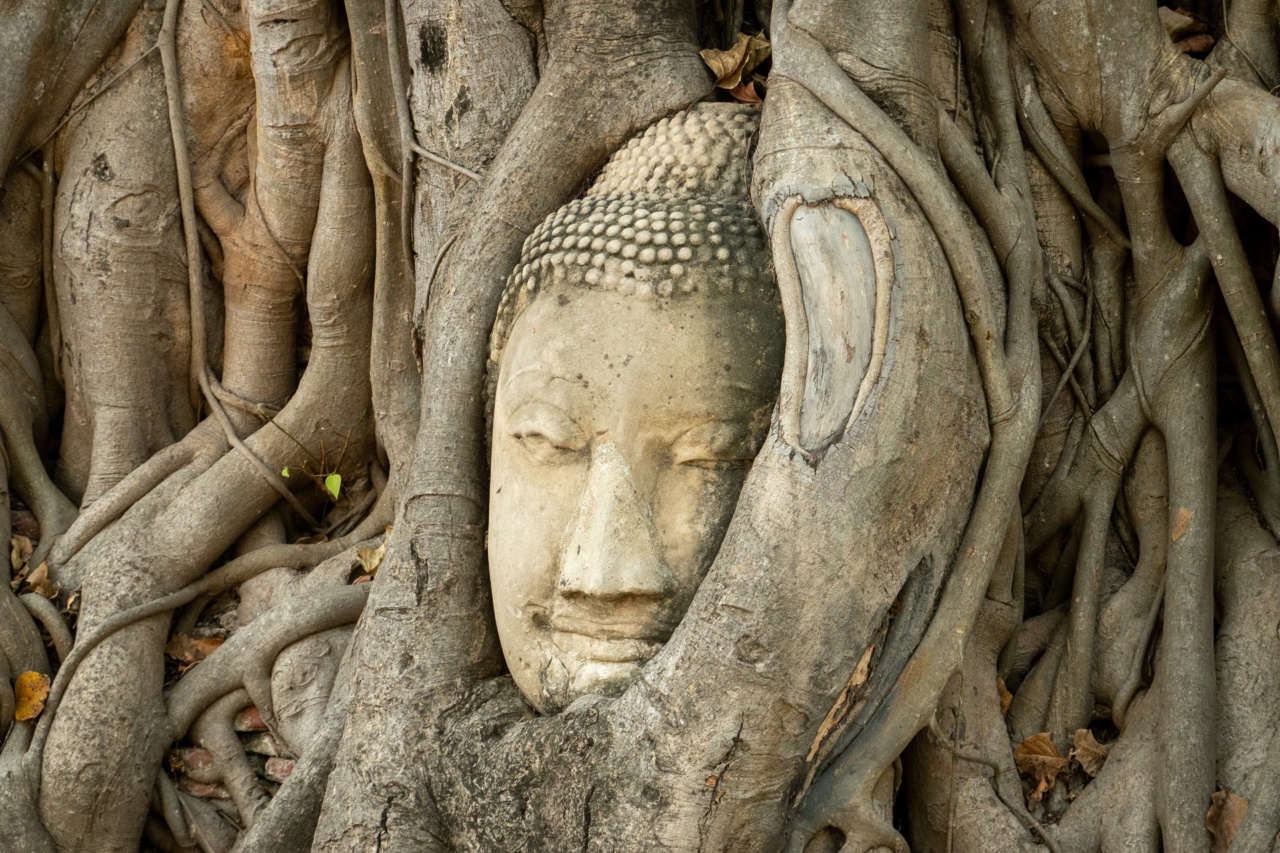
Morning: Take an early train or minivan to Ayutthaya. Rent a bicycle and explore the temple ruins - Wat Mahathat (the Buddha head in tree roots), Wat Phra Si Sanphet, and Wat Chaiwatthanaram are the highlights.
Afternoon: Lunch at a riverside restaurant in Ayutthaya, then return to Bangkok by mid-afternoon. Visit Wat Saket (Golden Mount) for sunset views over the Old City.
Evening: Final dinner at a restaurant you have been eyeing, or return to your favorite street food spot. End the night at a canal-side bar or a jazz club in the Charoen Krung area.
Budget Overview
Category
Budget
Mid-Range
Comfort
Accommodation
$10-20
$40-60
$100-200
Food
$8-12
$20-30
$40-70
Transport
$3-5
$8-12
$15-25
Activities
$5-10
$15-25
$30-50
Daily Total
$26-47
$83-127
$185-345
Bangkok remains one of the best-value major cities in the world. A budget traveler eating street food, using public transport, and staying in hostels can get by comfortably on $30-40 per day. Mid-range travelers enjoy boutique hotels, sit-down restaurants, and the occasional rooftop bar for $80-120. Even at the luxury level, Bangkok delivers extraordinary value compared to other global capitals.
Frequently Asked Questions
Is Bangkok worth visiting?
Absolutely. Bangkok is one of Asia's most rewarding cities, offering world-class food, stunning temples, vibrant nightlife, and excellent shopping at prices that suit every budget. The city has enough depth to keep you busy for weeks, and its combination of traditional culture and modern energy is hard to match anywhere else in Southeast Asia.
How many days do you need in Bangkok?
Three days is the sweet spot for hitting the major temples, markets, and food scenes. Five days lets you explore at a relaxed pace, add a day trip to Ayutthaya, and dig into lesser-known neighborhoods. Many travelers use Bangkok as a gateway and wish they had allocated more time to the city itself.
Is Bangkok safe for tourists?
Bangkok is generally very safe, including for solo female travelers. Violent crime targeting tourists is rare. The main risks are scams like the gem shop scam, tuk-tuk overcharging, and the classic 'the Grand Palace is closed today' trick. Stay aware of your belongings in crowded markets and you will be fine.
What is the best time to visit Bangkok?
November through February offers the most comfortable weather with lower humidity and rare rain, though this is peak tourist season. The rainy season from June to October brings short afternoon downpours but also fewer crowds and lower hotel prices. April is brutally hot and best avoided unless you want to experience Songkran water festival.
What food is Bangkok famous for?
Bangkok is famous for pad thai, som tum (green papaya salad), tom yum goong (hot and sour shrimp soup), mango sticky rice, and boat noodles. The city's street food scene is legendary, particularly in Chinatown's Yaowarat Road, where you can eat extraordinary meals for a dollar or two.
Is Bangkok expensive?
Bangkok is remarkably affordable by global standards. Street food meals cost $1-2, public transport rides are under $1.50, and a comfortable hotel room runs $40-60 per night. Rooftop bars and upscale dining are pricier but still cheaper than equivalent experiences in most Western cities. Budget travelers can manage on $30-40 per day.
Can you drink tap water in Bangkok?
No, do not drink tap water in Bangkok. Stick to bottled water, which is cheap and available everywhere (around $0.25 for a bottle). Ice in restaurants and established street food stalls is generally made from purified water and is safe. Most hotels provide complimentary bottled water daily.
How do I get from the airport to the city center?
From Suvarnabhumi Airport, the Airport Rail Link connects to Phaya Thai BTS. From Don Mueang Airport, the SRT Red Line connects Don Mueang station with Krung Thep Aphiwat, with onward MRT connections. Airport buses and official metered taxis are alternatives. Check current fares and allow time for walking, transfers and traffic.
What should I avoid in Bangkok?
Avoid anyone who approaches you unsolicited near tourist sites offering help or deals - this almost always leads to a gem shop or tailor scam. Skip Damnoen Saduak floating market in favor of Amphawa. Do not rent jet skis from strangers. Never disrespect the Thai monarchy, and avoid raising your voice in disputes, as this is considered very rude in Thai culture.
Is English widely spoken in Bangkok?
English is commonly understood in hotels, tourist areas, malls, and most restaurants. Taxi drivers and street vendors often speak limited English, so having your destination written in Thai on your phone is very helpful. You can navigate the city comfortably with English alone, but learning a few Thai phrases like 'sawasdee' (hello) and 'khop khun' (thank you) goes a long way.
Sources and background
Numbers in the text such as [1] refer to these sources.