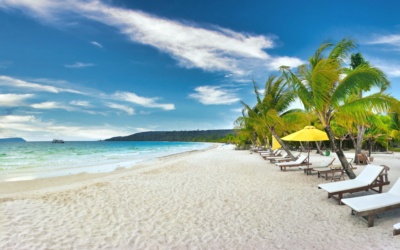
Malaysia blends modern cities, ancient rainforests, pristine islands, and one of the world's greatest food scenes into a remarkably easy-to-travel destination in Southeast Asia.
Malaysia is a country of striking contrasts. Gleaming skyscrapers rise above colonial shophouses in Kuala Lumpur, while some of the oldest rainforests on Earth blanket the interior of Borneo. Idyllic islands dot both coasts of the peninsula, and a tapestry of Malay, Chinese, Indian, and indigenous cultures creates one of the most diverse and delicious food scenes anywhere on the planet.
What makes Malaysia particularly appealing for travelers is how accessible it all is. Infrastructure is excellent by Southeast Asian standards, English is widely spoken, costs are reasonable, and the country serves as a natural hub for exploring the broader region. From the street food stalls of Penang to the orangutans of Sabah, Malaysia rewards every type of traveler, from backpackers sleeping in jungle longhouses to luxury seekers lounging on private beach resorts.
The country is divided into two main landmasses: Peninsular Malaysia, connected to mainland Southeast Asia, and East Malaysia, which occupies the northern portion of Borneo. This geographic split gives travelers access to dramatically different landscapes and experiences, often just a short flight apart.
Top Destinations
Kuala Lumpur
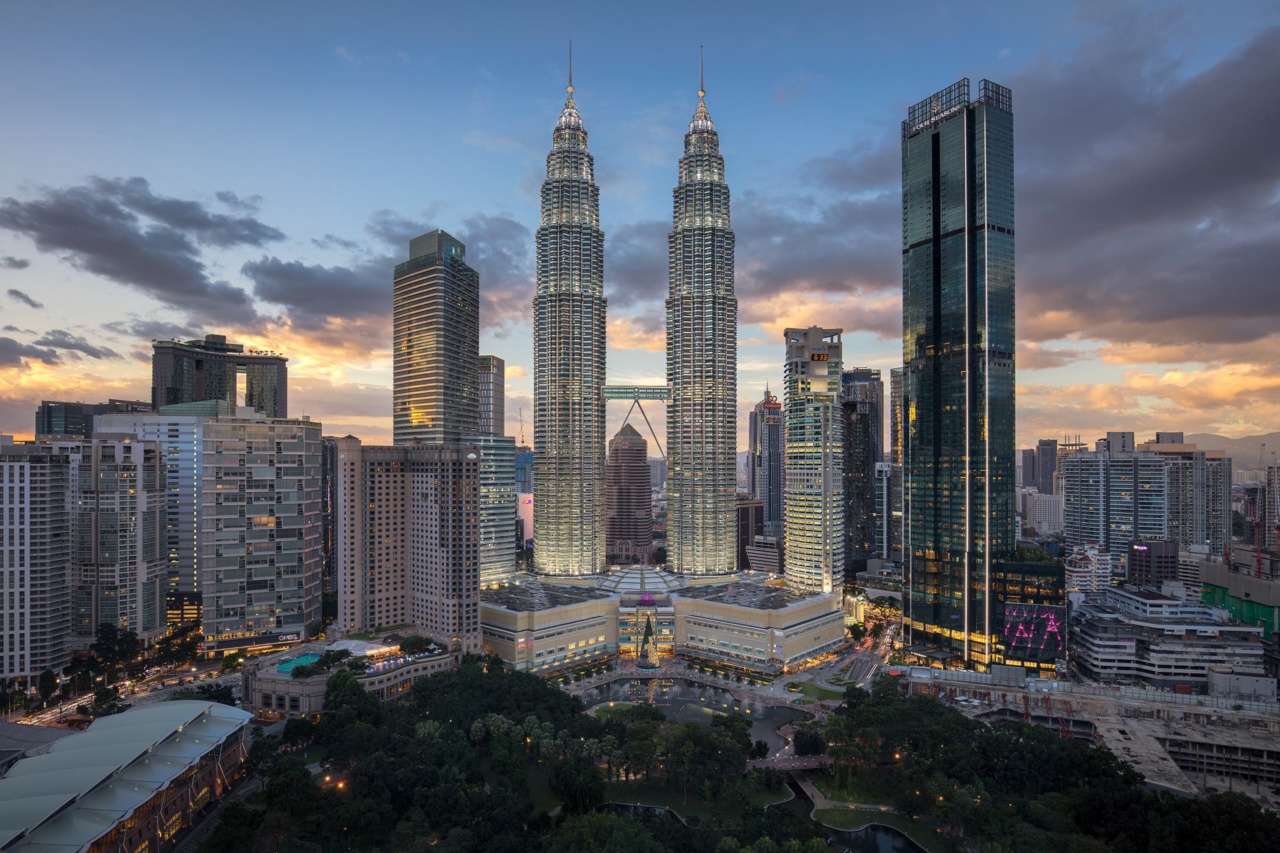
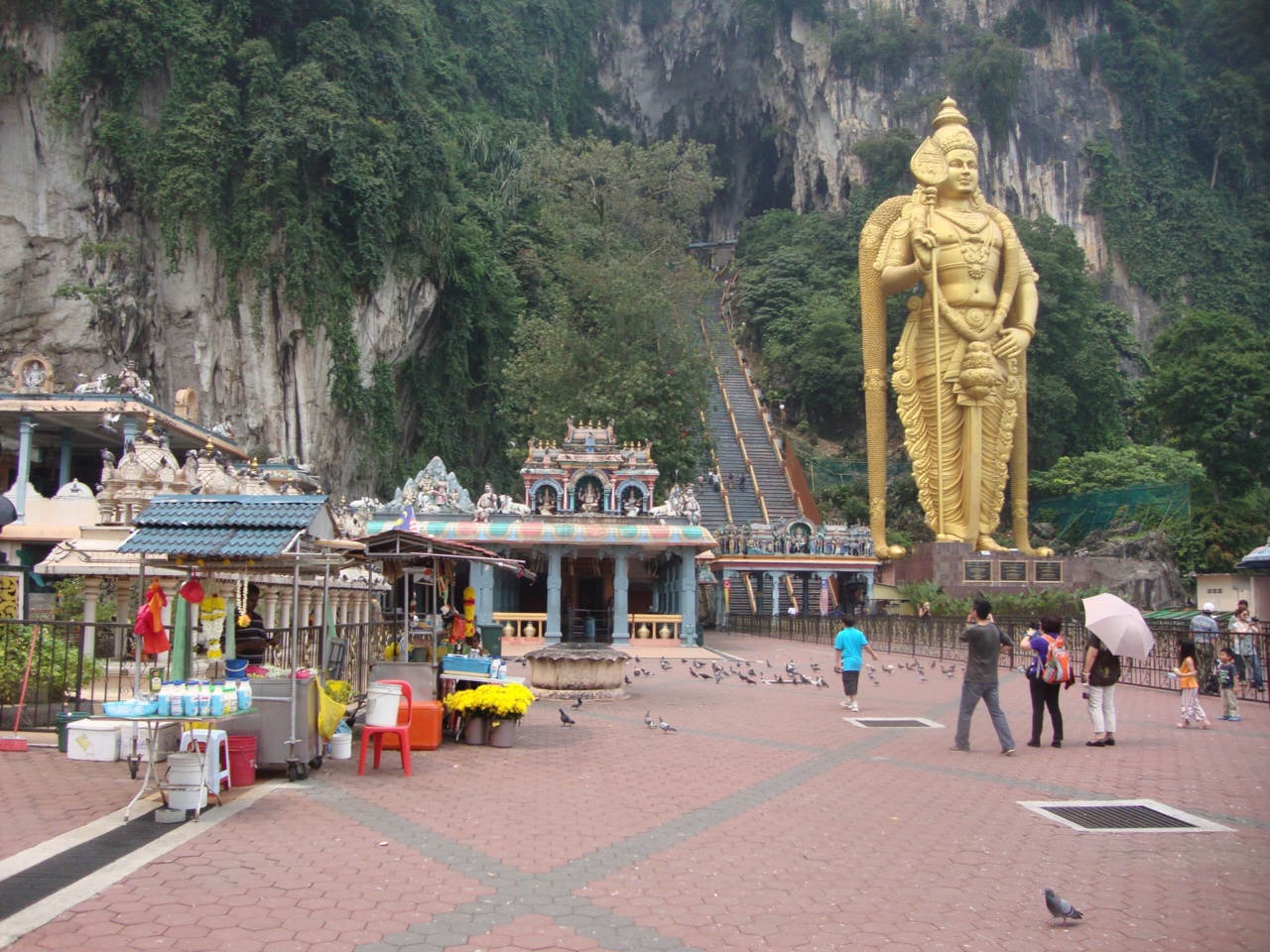
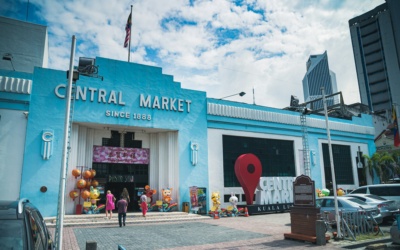
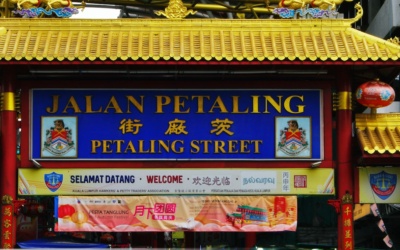
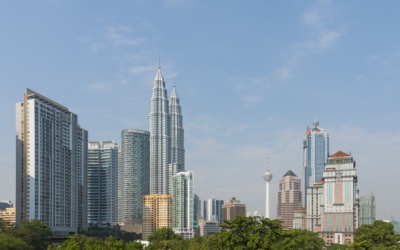
The capital city is a sensory overload in the best possible way. The iconic Petronas Twin Towers anchor a skyline that keeps growing, but the real magic is at street level. Chinatown's Petaling Street buzzes with vendors, Little India hums with spice shops and garland sellers, and the Malay quarters serve some of the best nasi lemak you will ever taste. The Batu Caves, a Hindu temple complex set inside a limestone cavern in Gombak, just north of the city, is a must-visit.[1] KL also serves as a budget airline hub, making it an ideal base for regional exploration.
George Town, Penang's capital, is a UNESCO World Heritage Site[2] and arguably the food capital of all Southeast Asia. The old town is a living museum of Chinese clan houses, British colonial architecture, and vibrant street art. But most visitors come for the food: char kway teow fried over roaring charcoal flames, asam laksa with its sour fish broth, and Hokkien mee served from hawker stalls that have perfected their recipes over generations. Beyond George Town, Penang National Park offers jungle treks and quiet beaches[3], and Penang Hill provides panoramic views from a colonial-era hill station.
Langkawi
This duty-free archipelago off the northwest coast is Malaysia's premier beach destination on the peninsula. The main island offers a mix of luxury resorts, mangrove kayaking, island-hopping boat tours, and the dramatic SkyBridge, a curved pedestrian bridge suspended high above the rainforest canopy. Langkawi is more developed and polished than many Thai islands, making it a good choice for travelers who want beach relaxation with comfortable infrastructure.
Malaysian Borneo: Sabah
Sabah, in the northeast corner of Borneo, is where adventure travelers come alive. Mount Kinabalu, at 4,095 meters the highest mountain between the Himalayas and New Guinea,[4] is normally climbed over two days with a night in a mountain hostel.[5] The Kinabatangan River is one of the best places in Asia to spot wildlife from a boat, including proboscis monkeys, pygmy elephants, and crocodiles. Semporna is the gateway to Sipadan Island, a dive site known for its schools of barracuda and its sea turtles. The Danum Valley Conservation Area provides an immersive old-growth rainforest experience with minimal crowds.
Malaysian Borneo: Sarawak
Sarawak, the larger of the two Bornean states, centers on Kuching, a charming riverside city with excellent museums, a lively waterfront, and a thriving cat-themed identity. Bako National Park, accessible by boat from Kuching, packs an extraordinary range of ecosystems into a compact area, including proboscis monkeys that are relatively easy to spot. The Semenggoh Nature Centre offers close encounters with semi-wild orangutans during feeding times. For the truly adventurous, Mulu National Park in the interior is home to Deer Cave, the largest known cave passage in the world.[6]
Cameron Highlands
This hill station in the interior of the peninsula offers a cool escape from the tropical heat. Rolling tea plantations, strawberry farms, mossy forests, and a distinctly British colonial atmosphere make it feel like another country entirely. It is a popular weekend getaway for Malaysians and a refreshing stop for travelers who need a break from the humidity.
Perhentian Islands
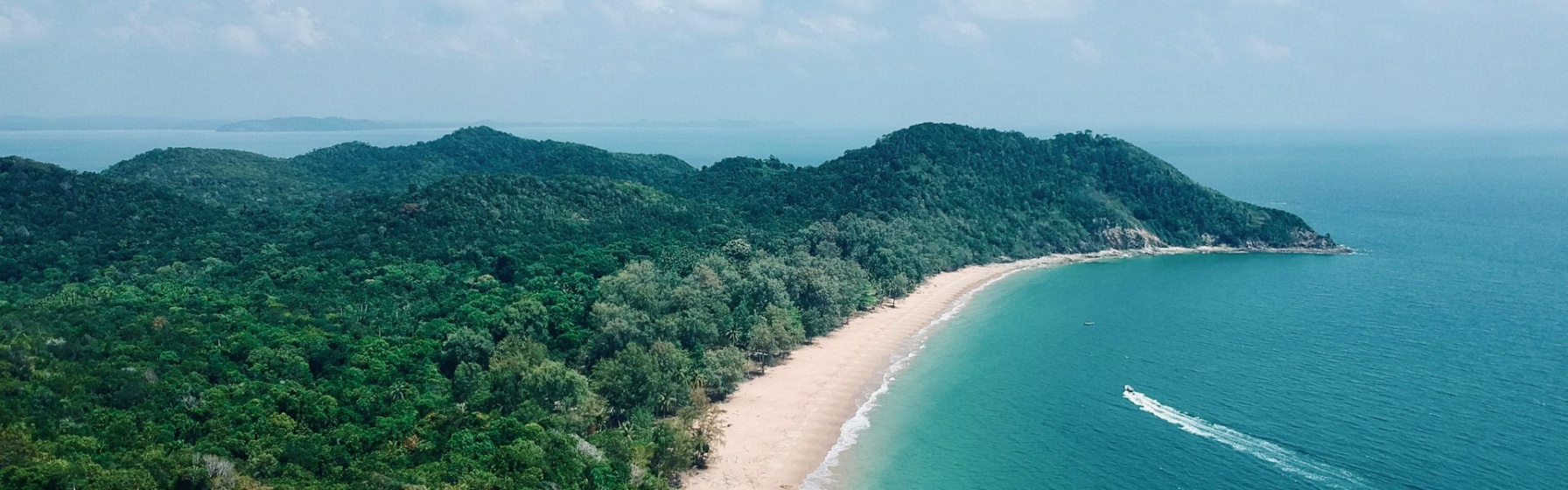
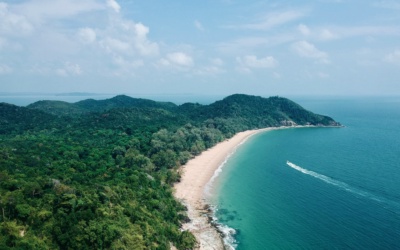
Located off the northeast coast of Peninsular Malaysia, the Perhentian Islands are a backpacker and snorkeling paradise. Crystal-clear water, affordable dive courses, and a laid-back vibe make them a favorite for budget travelers. The islands are only a 30-minute boat ride from Kuala Besut Jetty,[7] but like the other east coast islands they largely shut down during the northeast monsoon, which runs from November to March.[8][7]
Malacca (Melaka)
This historic port city on the west coast of the peninsula tells the story of Malaysia's layered colonial past. Portuguese, Dutch, and British influences are visible in the architecture of the old town, another UNESCO World Heritage Site.[2] Jonker Street's weekend night market is legendary, and the Peranakan (Straits Chinese) culture here has produced a unique cuisine, including chicken rice balls and cendol, that is worth the trip alone.
Things to Do
Offers are only loaded from GetYourGuide after you click. GetYourGuide can then process your IP address and set cookies. Privacy Policy
GetYourGuide partner offers. GoAsia may earn a commission if you book through these offers. Check whether tickets or transfers are included, and follow the attraction's official booking and admission rules.
Getting Around
Malaysia has solid transportation infrastructure, especially on the peninsula. Budget airlines, particularly AirAsia, connect Kuala Lumpur to virtually every major destination in the country and across the region, with fares that can be remarkably cheap if booked in advance. The KL International Airport (KLIA) and its budget terminal (KLIA2) are well-connected to the city center by express train and bus: the KLIA Ekspres takes 28 minutes from KL Sentral to Terminal 1 and 3 more minutes to Terminal 2.[9]
On the peninsula, long-distance buses are comfortable, affordable, and frequent. Companies like Transnasional, Plusliner and KKKL and numerous private operators run intercity routes.[10][11] The KTM train network connects KL to destinations including Penang (Butterworth), Ipoh, and Johor Bahru near Singapore.[12] The ETS (Electric Train Service) runs on the electrified West Coast Line between Gemas and Padang Besar at up to 140 km/h.[13]
Within Kuala Lumpur, the public transport network includes the LRT, MRT, monorail, and KTM Komuter lines, supplemented by the extensive Rapid KL bus network. Grab, the regional ride-hailing app, is indispensable throughout the country and generally more reliable than taxis, which historically have had a reputation for refusing meters.
In East Malaysia, domestic flights are the most practical way to cover large distances. AirBorneo, which took over the former MASwings rural air services on 1 January 2026, links remote communities in Sarawak, Sabah and Labuan.[14] Roads in Borneo are improving but can still be rough in rural areas, and some destinations are only reachable by boat. Renting a car is feasible in both Peninsular and East Malaysia, though driving in KL can be stressful for newcomers.
Ferries run from Kuala Perlis and Kuala Kedah to Langkawi,[15] from Kuala Besut to the Perhentian Islands,[7] and between Butterworth and George Town in Penang.[16] For Langkawi, there are also direct flights from KL.[17]
Best Time to Visit
Malaysia sits close to the equator, so temperatures are warm and humid year-round. The key variable is rainfall: the Southwest Monsoon from late May to September is relatively drier, while the Northeast Monsoon from November to March is the main rainy season.[8]
The west coast of the peninsula, including KL, Penang, Langkawi, and Malacca, can see rain at any time of year, though showers are usually short afternoon downpours rather than all-day events. This side of the country is visitable year-round.
The east coast of the peninsula, including the Perhentian Islands, Redang, and Tioman, is heavily affected by the Northeast Monsoon from November to March, which often brings large floods to Kelantan, Terengganu and Pahang.[8] On islands such as Redang, most tourist facilities remain shut and diving and boating are temporarily barred during the monsoon, and the best time to visit is March to September.[7]
Borneo has a more complex rainfall pattern, and the Northeast Monsoon also brings heavy rain to Sabah and Sarawak.[8] Rain can occur any day in the rainforest regardless of season.
The Cameron Highlands are pleasant year-round, with noticeably cooler nights, a welcome respite from the lowland heat.
Peak tourist season aligns with European and Australian school holidays, as well as major Malaysian holidays like Hari Raya (end of Ramadan) and Chinese New Year, when domestic travel surges and accommodation prices spike.
Culture and Customs
Malaysia is a multi-ethnic, multi-religious society. About 58% of the population is Malay (predominantly Muslim), 22% Chinese (Buddhist, Taoist, Christian), 6.5% Indian (Hindu, Muslim, Christian), and 12% other Bumiputera, including the indigenous groups of Sabah and Sarawak.[18] This diversity is the country's greatest strength and is reflected in everything from the food to the festivals to the architecture.
Islam is the official religion, and its influence is visible in daily life, particularly in the more conservative east coast states of Kelantan and Terengganu. During Ramadan, it is respectful to avoid eating, drinking, or smoking in public during daylight hours in predominantly Malay areas, though non-Muslim restaurants generally remain open.
When visiting mosques, both men and women should cover their arms and legs. Women will need to cover their hair, and robes are often provided at major mosques for visitors. Remove shoes before entering any place of worship, including Hindu and Buddhist temples. At Hindu temples, avoid pointing your feet at shrines or statues.
Malaysians are generally warm and hospitable. A few cultural norms to keep in mind: use your right hand for giving and receiving items, as the left hand is considered unclean in Malay culture. Pointing with your index finger is considered rude; use your thumb instead. Public displays of affection are frowned upon, especially in conservative areas.
Alcohol is available in Chinese restaurants, international hotels, bars, and convenience stores, but it is not served in most Malay Muslim establishments. Langkawi's duty-free status makes it one of the cheapest places in the country for alcohol.
Tipping is not expected in Malaysia, though it is appreciated. A service charge is often included in restaurant bills at mid-range and upscale establishments. Rounding up a taxi or Grab fare is a kind gesture but not obligatory.
Food and Drink
Malaysian food is among the best in the world, and this is not hyperbole. The collision of Malay, Chinese, Indian, Peranakan, and indigenous culinary traditions, amplified by tropical ingredients and an obsessive food culture, produces a depth of flavor that is hard to match anywhere.
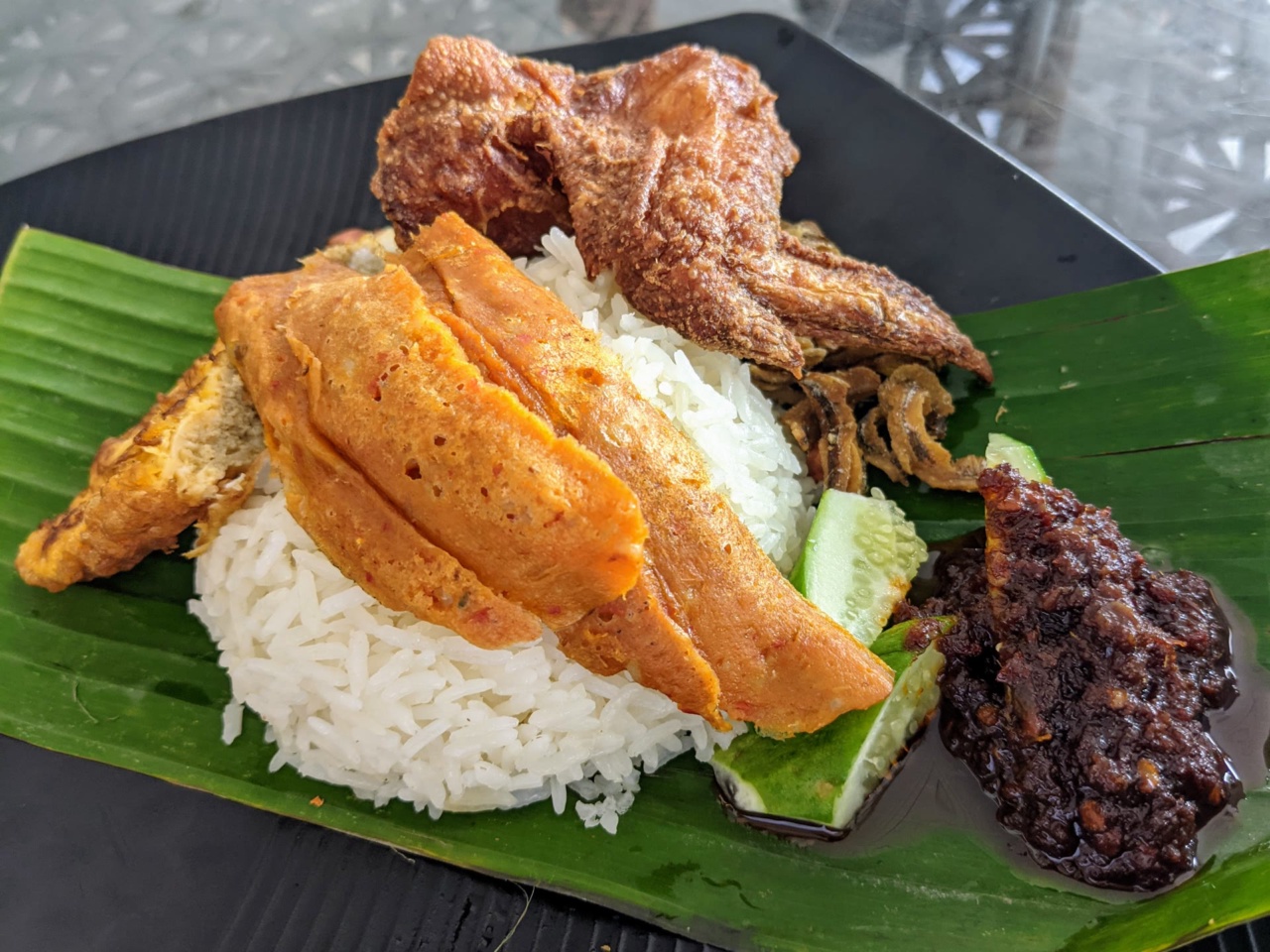
Nasi Lemak - The national dish: coconut milk rice served with sambal, anchovies, peanuts, cucumber, and a hard-boiled egg. Available from simple banana-leaf packets at dawn to elaborate restaurant versions with rendang or fried chicken.
Char Kway Teow - Smoky stir-fried flat rice noodles with prawns, cockles, bean sprouts, and chives. Penang's version is legendary.
Roti Canai - Flaky, buttery flatbread served with dhal or curry, eaten for breakfast throughout the country. Watch the roti makers flip and stretch the dough with hypnotic skill.
Laksa - This comes in many regional varieties. Penang asam laksa features a sour, fish-based broth, while curry laksa (common in KL) uses a rich coconut curry base.
Satay - Skewered and grilled meat (usually chicken or beef) served with peanut sauce, compressed rice cakes, and a cucumber-onion relish.
Rendang - A slow-cooked dry curry, most commonly made with beef, where the meat absorbs layers of coconut milk, lemongrass, galangal, and chili.
Hainanese Chicken Rice - Poached chicken served over fragrant rice cooked in chicken fat, accompanied by chili sauce and ginger paste. Simple but sublime.
Cendol - A sweet dessert of shaved ice, coconut milk, palm sugar syrup, and green pandan jelly noodles. Essential in the tropical heat.
Nasi Kandar - A Penang specialty of rice served with a choice of curries and side dishes, the gravies mixed together for maximum flavor.
Dining Culture
Hawker centers and kopitiam (traditional coffee shops) are the heart of Malaysian food culture. These open-air or semi-covered food courts gather dozens of stalls under one roof, each specializing in one or two dishes. Prices are remarkably low. Do not be put off by humble appearances; the best food in Malaysia is rarely found in fancy restaurants.
Malaysian coffee culture revolves around kopi, a distinctive brew made with beans roasted in sugar and margarine, then pulled through a cloth filter. Order kopi-o for black coffee with sugar, kopi for coffee with sweetened condensed milk, or kopi-o-kosong for black coffee without sugar. Teh tarik, pulled milk tea frothed by pouring between two cups, is another beloved staple.
Tap water is not reliably safe to drink throughout the country. Stick to bottled or filtered water. Street food is generally safe, especially at busy stalls with high turnover, but use common sense and observe hygiene practices.
Visa and Entry Requirements
Malaysia is one of the more accessible countries in Southeast Asia for international travelers. Citizens of many countries, including Australia, Canada, Ireland, the Netherlands, Singapore, Switzerland and the United Kingdom, need no visa for any purpose of entry, and ASEAN nationals other than Myanmar can stay without a visa for less than one month.[19] The permitted stay depends on nationality; for example, Swiss and Liechtenstein passport holders may stay 90 days. A valid passport with at least six months of remaining validity is required.[20]
Citizens of some countries, such as Bangladesh, Nepal, Pakistan and Sri Lanka, must apply for a visa in advance, while Indian citizens are visa-exempt until 31 December 2026.[19] It is essential to check the latest requirements for your specific nationality before traveling, as rules do change.
When entering Malaysia, you should have a return or onward ticket, and most airlines will not let you board with a one-way ticket unless you can show proof of onward travel.[20]
Note that East Malaysia (Sabah and Sarawak) maintains its own immigration controls separate from Peninsular Malaysia. You must show your passport to enter or exit Sabah and Sarawak, even on a domestic flight to or from another part of Malaysia.[21] This is a routine process, but be aware of it.
The duty-free island of Langkawi and the duty-free zone of Labuan also have specific customs allowances worth noting if you plan to purchase alcohol or tobacco there.
Malaysia Digital Arrival Card (MDAC): Foreign visitors who are not in an exempt category must submit the MDAC through the official portal within three days before arrival in Malaysia. The exemptions listed by Malaysian Immigration are Singapore citizens, diplomatic or official passport holders, Malaysia permanent residents or long-term pass holders, Brunei GCI holders, Brunei Malaysia Frequent Traveler Facility holders, Thailand border pass holders, and Indonesia PLB holders.[20] Visa eligibility is separate and depends on nationality and purpose of travel. MDAC
Safety and Health
Malaysia is generally a safe country for travelers. Violent crime against tourists is rare, and most visits are trouble-free. That said, petty crime does occur, particularly in larger cities.
Common concerns:
Bag snatching - This is the most reported crime against tourists, particularly in KL and George Town. Thieves on motorcycles target pedestrians carrying bags on the road side. Carry bags on your body side away from traffic, and use a crossbody bag.
Pickpocketing - Be vigilant in crowded areas like Petaling Street, night markets, and public transport.
Taxi scams - Some taxi drivers refuse to use meters or quote inflated prices, especially at airports and tourist hotspots. Using Grab eliminates this issue entirely.
Credit card fraud - Use ATMs inside banks rather than standalone machines, and monitor your statements.
Health considerations:
Dengue fever - Transmitted by mosquitoes, dengue is present throughout Malaysia, particularly during and after rainy periods. Use insect repellent, especially during daytime hours when the Aedes mosquito is active.
Haze - Seasonal haze from agricultural burning in the region can affect air quality. Check the Air Pollutant Index if you have respiratory concerns.
Sun and heat - The equatorial sun is intense. Stay hydrated, use sunscreen, and take breaks from the heat, especially during midday hours.
Jellyfish - Box jellyfish have been reported in some Malaysian waters. Check local conditions before swimming, particularly on the east coast and around Borneo.
No vaccinations are legally required for entry from most countries, though health authorities recommend being up to date on routine vaccinations. Hepatitis A and typhoid vaccines are advisable. If you plan to spend time in rural or jungle areas of Borneo, discuss malaria prophylaxis with your doctor, though the risk in most tourist areas is low.
Medical facilities in KL, Penang, and other major cities are excellent, and Malaysia is actually a popular medical tourism destination. Private hospitals offer high-quality care at reasonable prices. In remote areas of Borneo, medical facilities are more limited, so travel insurance with medical evacuation coverage is strongly recommended.
Budget Tips
Malaysia offers outstanding value for money, particularly when it comes to food and domestic transport. It is more expensive than Thailand, Vietnam, or Indonesia, but significantly cheaper than Singapore, Japan, or Australia.
Travel Styles
Travel Style
What to Expect
Budget
Dorm beds or basic guesthouses, hawker food for every meal, public transport, free or low-cost attractions
Mid-Range
Private hotel rooms with air conditioning, mix of hawker and restaurant meals, Grab rides, paid attractions and tours
Luxury
Boutique or international chain hotels, fine dining, private tours, domestic flights, resort stays
Where to Save Money
Eat like a local. Hawker centers and kopitiams are not just cheaper than restaurants; they are genuinely better for most local dishes.
Book flights early. AirAsia and other budget carriers offer incredibly cheap fares if you book weeks or months in advance. Prices rise sharply closer to departure dates.
Use Grab for transport. Fares are metered and transparent, eliminating the risk of being overcharged. GrabShare (carpooling) is even cheaper.
Stay in Chinatown or Little India. In KL, these neighborhoods offer the best budget accommodation options and are centrally located.
Take advantage of free attractions. Many mosques, temples, and parks are free to enter. The KLCC Park, Batu Caves, and numerous street art walks cost nothing.
Drink water, not alcohol. Alcohol is comparatively expensive in Malaysia, which feels pricey relative to everything else. Langkawi's duty-free prices are the exception.
Travel by bus for long distances on the peninsula. Express bus fares from KL's TBS terminal are, for example, RM19 to RM25 to Ipoh and RM32 to RM60 to Penang.[22] The coaches have air conditioning and reclining seats.
Currency and Payment
The Malaysian Ringgit (MYR) is the local currency. ATMs are widely available in cities and towns, and most accept international cards. Credit cards are accepted at hotels, malls, and larger restaurants, but hawker stalls, small shops, and rural areas are cash-only. Carry small denominations for street food and markets.
The e-wallet app Touch 'n Go is increasingly used by locals for everything from toll payments to hawker stalls, though tourists may find it difficult to set up without a local phone number and bank account. Grab's in-app payment handles most ride-hailing needs.
Money changers in KL, particularly in the Bukit Bintang area, offer competitive exchange rates that are often better than banks or airports. Avoid exchanging money at KLIA if possible, as airport rates are unfavorable.
Sources and background
Numbers in the text such as [1] refer to these sources.
[1]Tourism Malaysia: Batu Caves. Retrieved October 15, 2026.