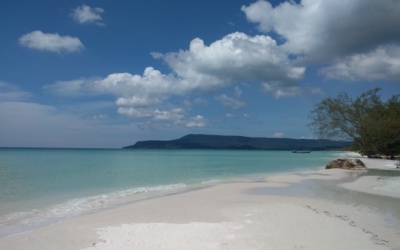
Cambodia captivates travelers with the awe-inspiring temples of Angkor, pristine coastline, and a resilient culture shaped by both ancient grandeur and modern rebirth.
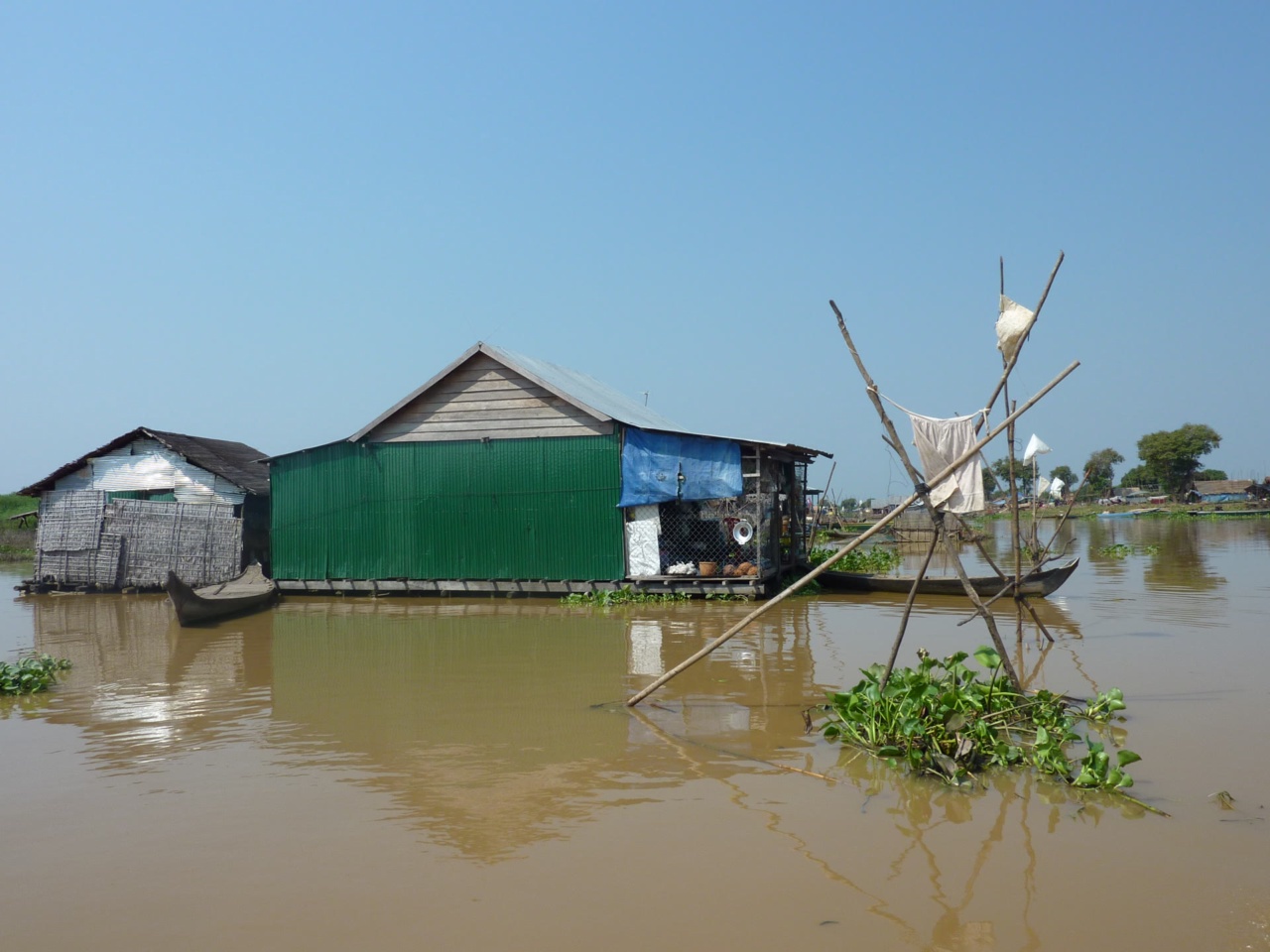
Cambodia is a country that lingers in your memory long after you leave. The sprawling temple complex of Angkor Wat alone justifies the journey, but those who venture further discover a nation of startling contrasts: floating villages on the vast Tonle Sap lake, white-sand islands in the Gulf of Thailand, chaotic yet charming cities, and some of the warmest, most genuinely welcoming people in all of Asia.
The country's recent history is marked by the devastating Khmer Rouge regime of the late 1970s, and understanding that chapter is an essential part of any visit.[1] Yet Cambodia today pulses with optimism. Phnom Penh has transformed into a dynamic capital with a thriving food scene, Siem Reap continues to evolve beyond its role as a gateway to the temples, and the southern coast is emerging as a serious beach destination. For travelers willing to look beyond the headlines, Cambodia rewards with experiences that are raw, authentic, and deeply moving.
Travel here is remarkably affordable, infrastructure is improving steadily, and the compact size of the country means you can cover a lot of ground in a relatively short trip. From first-time backpackers to seasoned explorers, Cambodia delivers something extraordinary at every turn.
Top Destinations
Siem Reap and the Temples of Angkor
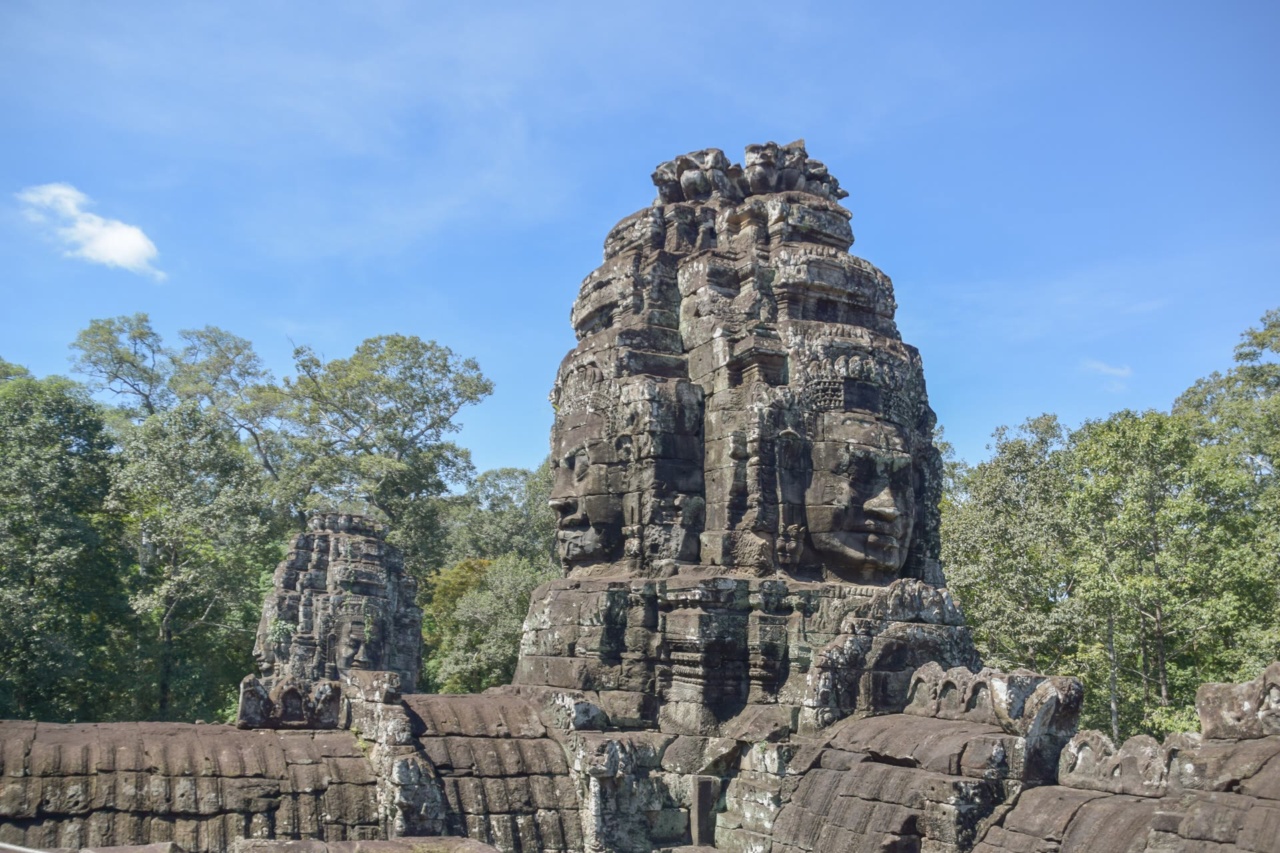
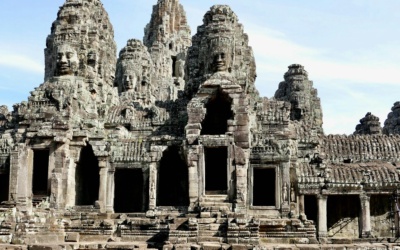
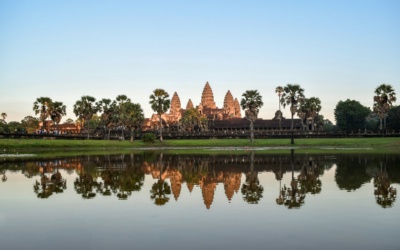
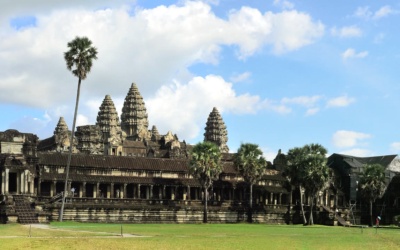
Siem Reap is the launchpad for exploring the Angkor Archaeological Park, a UNESCO World Heritage Site and one of the most important archaeological sites in South-East Asia, extending over some 400 square kilometers.[2] Angkor Wat is the star attraction, but the park encompasses scores of temples. Ta Prohm, famously engulfed by strangler fig trees, and the enigmatic stone faces of Bayon at Angkor Thom are equally mesmerizing.
A single day at Angkor barely scratches the surface. A three-day pass, which is valid for 7 days, allows you to explore at a comfortable pace,[3] venturing to quieter outlying temples like Banteay Srei, known for its exquisite pink sandstone carvings, and Beng Mealea, a jungle-swallowed ruin that feels like a real-life adventure film set. Beyond the temples, Siem Reap itself offers a lively Pub Street scene, excellent restaurants, a vibrant night market, and easy access to the floating villages of Tonle Sap.
Phnom Penh
Cambodia's capital is a city of contrasts where golden-spired pagodas sit alongside French colonial architecture and gleaming new developments. The Royal Palace and Silver Pagoda are must-sees, offering a glimpse into the country's royal heritage. The National Museum houses an extraordinary collection of Khmer sculpture and artifacts.
No visit to Phnom Penh is complete without confronting Cambodia's painful past. The Tuol Sleng Genocide Museum, a former high school turned interrogation center, and the Choeung Ek Killing Fields on the city's outskirts are harrowing but essential experiences. On a lighter note, the riverside promenade buzzes with energy at sunset, the Central Market's Art Deco dome is an architectural gem, and the city's restaurant and bar scene has exploded in recent years, making Phnom Penh one of Southeast Asia's most underrated food capitals.
Sihanoukville and the Southern Islands
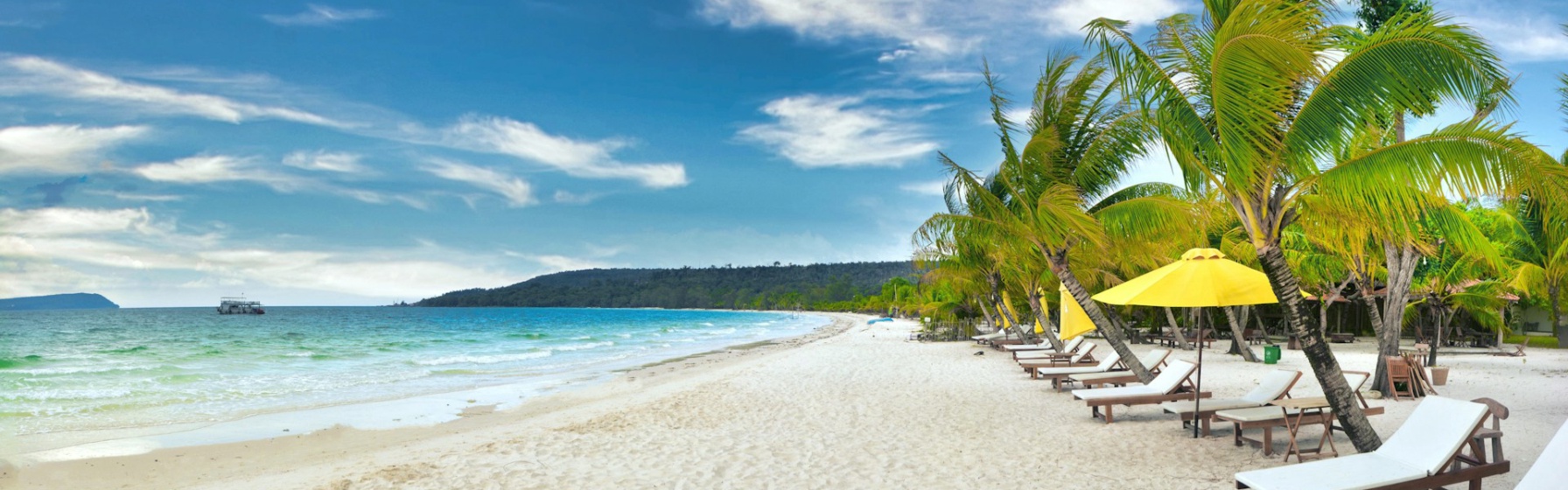
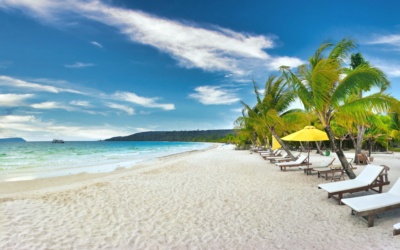
Sihanoukville itself has undergone massive development and may not appeal to all travelers, but it serves as the gateway to Cambodia's stunning islands. Koh Rong and Koh Rong Samloem are the headliners, offering powdery white sand, bioluminescent plankton, and a laid-back island vibe that ranges from backpacker party scene to secluded eco-resort tranquility. Koh Rong Samloem in particular remains relatively peaceful and is ideal for travelers seeking quiet beaches and snorkeling.
Kampot and Kep
These neighboring southern towns offer a slower pace and a different side of Cambodia. Kampot is a charming riverside town known for its pepper plantations, French colonial streetscapes, and growing reputation as a creative hub. Kayaking on the river at sunset, visiting Bokor Hill Station, and touring pepper farms are highlights. Tiny Kep, just down the road, is famous for its crab market where you can feast on fresh pepper crab while gazing out at the sea. The nearby Kep National Park offers easy jungle hikes.
Battambang
Battambang is a relaxed, artistic town with beautifully preserved colonial architecture. The surrounding countryside is dotted with ancient temples, bat caves at Phnom Sampeau, and traditional villages. Battambang also has a growing reputation for its art scene, with galleries and a renowned circus school, Phare Ponleu Selpak.
Mondulkiri and Ratanakiri
For adventurous travelers, Cambodia's northeastern provinces offer wild landscapes and encounters with indigenous communities. Mondulkiri is home to the Bunong people and ethical elephant sanctuaries where you can observe rescued elephants in a forested setting. Ratanakiri features volcanic crater lakes, powerful waterfalls, and gem mines. Roads in these regions can be rough, especially in the wet season, but the reward is a Cambodia few tourists ever see.
Things to Do
Offers are only loaded from GetYourGuide after you click. GetYourGuide can then process your IP address and set cookies. Privacy Policy
GetYourGuide partner offers. GoAsia may earn a commission if you book through these offers. Check whether tickets or transfers are included, and follow the attraction's official booking and admission rules.
Getting Around
Cambodia's transport network is functional but can be rough around the edges. The main highways connecting Phnom Penh, Siem Reap, and Sihanoukville are paved and in reasonable condition, but secondary roads, especially in rural areas, can deteriorate significantly during the rainy season.
Buses: Air-conditioned buses are the most popular way to travel between major cities. Operators such as Giant Ibis run buses with free Wi-Fi, power outlets and a complimentary pastry and water.[4] The Phnom Penh to Siem Reap route takes about 6 hours.[5] You can book on the operators' own websites.
Domestic Flights: Air Cambodia, the national flag carrier, flies daily between Phnom Penh and Siem Reap and between Siem Reap and Sihanoukville,[6][7] and Cambodia Airways has also started flights between the three cities.[8] Flights are short, making them a good option if time is limited.
Tuk-tuks and Motos: Within cities, tuk-tuks (motorized rickshaws) are the primary mode of transport. Agree on a price before departure, or use a ride-hailing app for transparent pricing. Motos (motorcycle taxis) are cheaper but less comfortable, and the UK government calls travelling as a motorcycle taxi passenger dangerous.[9]
Boats:Ferries and speedboats connect Sihanoukville to Koh Rong, taking about 45 minutes.[10] Boats are sometimes overloaded or poorly maintained, and tourist boats occasionally sail despite weather warnings, particularly between Sihanoukville and the islands.[9]
Renting Motorbikes and Cars: Motorbike rental is common and affordable, especially in Siem Reap and Kampot. Ensure you have appropriate insurance and an international driving permit. Cambodia has one of the highest rates of road traffic accidents in south-east Asia, and travel after dark significantly increases the risk.[9] Hiring a private car with a driver for day trips is surprisingly affordable and far less stressful than self-driving.
Best Time to Visit
Cambodia has a tropical climate with two distinct seasons. The dry season (November through April) is the most popular time to visit. Skies are clear, temperatures are warm, and the temples of Angkor look spectacular under blue skies. December and January are the coolest months, which makes sightseeing comfortable. February through April sees temperatures climb sharply, and the heat can be punishing.
The wet season (May through October) brings afternoon downpours, high humidity, and lush green landscapes. While some travelers avoid this period, it has distinct advantages: fewer crowds at Angkor, lower prices on accommodation, and the temples surrounded by reflecting pools of rainwater create stunning photographic opportunities. The Tonle Sap lake swells dramatically, and the Mekong's overflow can expand it up to five times its size.[11] Rain usually falls in intense bursts rather than all-day drizzles, so you can still accomplish plenty.
Heavy storms during the monsoon season disrupt and damage the road network, and travel to some provinces can be seriously restricted by landslides.[9] Flooding can also disrupt travel in low-lying areas. For the best balance of manageable weather and thinner crowds, November and early December are ideal.
Culture and Customs
Cambodian culture is deeply rooted in Theravada Buddhism, and the country's pagodas are central to daily life. Monks are highly revered, and you will see them collecting alms in the early morning across towns and cities.
Temple Etiquette: When visiting temples and pagodas, dress modestly. Cover your shoulders and knees: visitors in skirts or shorts above the knee or with bare shoulders can be refused admission to religious sites, including Angkor Wat.[9] Remove shoes and hats before entering temple buildings. Women should never touch a monk or hand objects directly to one. Sit with your feet tucked behind you rather than pointing them toward a Buddha image or a monk.
Greetings: The traditional Cambodian greeting is the sampeah, a prayer-like gesture with hands pressed together. The higher the hands, the greater the respect shown. A smile goes a long way in Cambodia, and Khmers are generally patient and forgiving of cultural missteps by visitors.
Respect for Elders: Cambodian society places great emphasis on hierarchy and respect for elders. Use both hands when giving or receiving something from an older person. Avoid raising your voice or showing anger in public, as losing face is considered deeply embarrassing.
Sensitive History: The Khmer Rouge period remains a sensitive topic. Approach conversations about it with care and empathy. Many Cambodians over a certain age lived through the regime and lost family members.
Tipping: Tipping is not traditionally expected but is increasingly appreciated in tourist areas. A small tip for restaurant servers, tuk-tuk drivers, and tour guides is warmly received.
Food and Drink
Cambodian cuisine, often called Khmer food, is one of Southeast Asia's best-kept secrets. It shares some similarities with Thai and Vietnamese cooking but tends to be milder, with a greater emphasis on fresh herbs, fermented fish paste (prahok), and subtle layering of flavors.
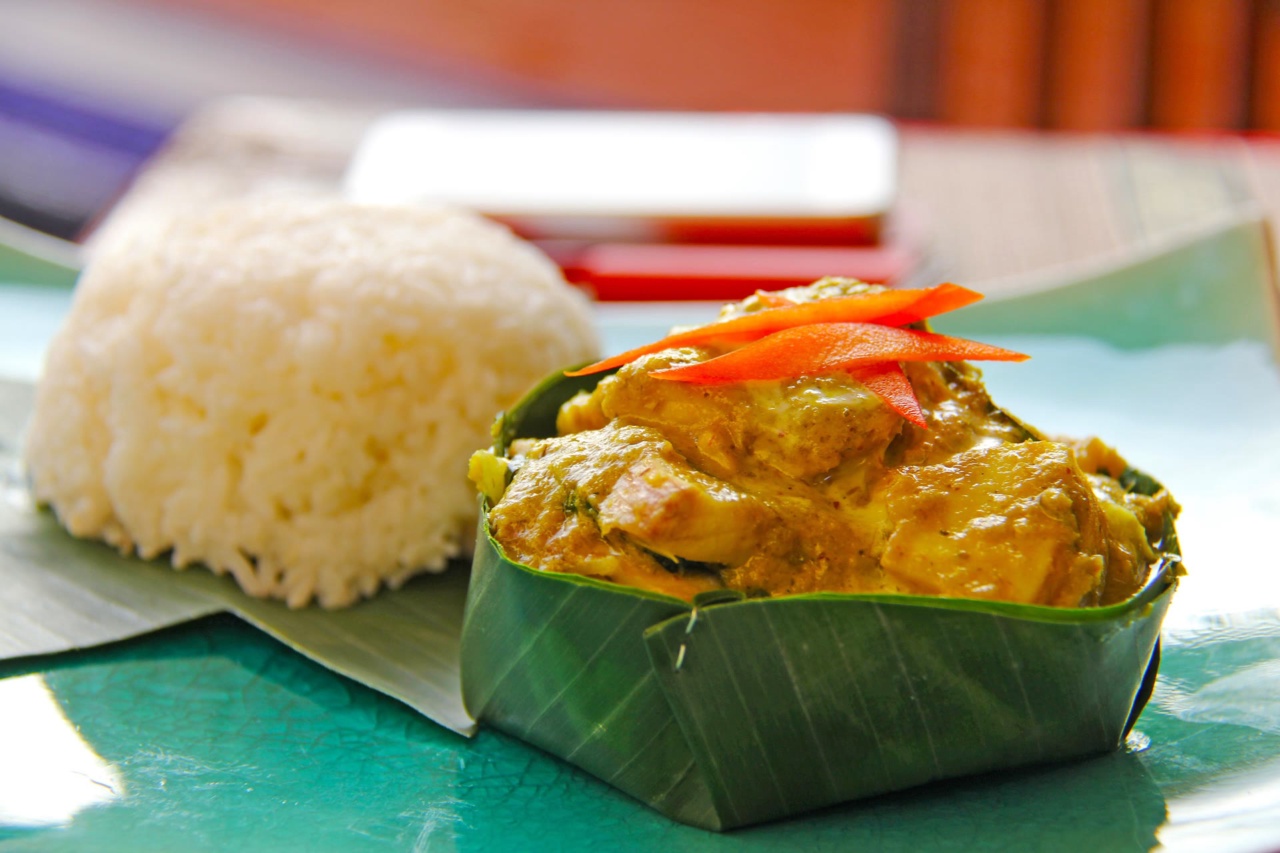
Amok: Cambodia's signature dish. Fish (usually freshwater), coconut milk, and kroeung (a fragrant curry paste) are steamed in a banana leaf cup, resulting in a silky, aromatic curry. Chicken and tofu versions are also available.
Lok Lak: Stir-fried beef or chicken served with a tangy lime and pepper dipping sauce, a fried egg, and rice. Simple, satisfying, and found everywhere.
Nom Banh Chok: Often called Khmer noodles, this breakfast staple features rice noodles topped with a green fish-based curry sauce and a heap of fresh vegetables and herbs.
Kuy Teav: A pork or beef noodle soup commonly eaten for breakfast, garnished with bean sprouts, lime, and chili. Each region has its own variation.
Pepper Crab: A specialty of Kep, featuring fresh crab stir-fried with Kampot green peppercorns. Pungent, spicy, and unforgettable.
Bai Sach Chrouk: Thinly sliced pork marinated in coconut milk and garlic, grilled over coals, and served with broken rice and pickled vegetables. A beloved breakfast across the country.
Street Food: Cambodia's street food scene is vibrant and incredibly cheap. Night markets in Siem Reap and Phnom Penh offer everything from grilled skewers and fried noodles to more adventurous options like deep-fried tarantulas and crickets. For the less daring, fresh fruit shakes are available on nearly every corner.
Drinks: Angkor Beer is the national brew and pairs well with any meal. Fresh sugarcane juice, coconut water, and iced coffee with sweetened condensed milk are refreshing non-alcoholic options.
Methanol warning: There have been deaths and cases of serious illness caused by alcoholic drinks containing methanol in Cambodia. Do not leave drinks unattended either, as police have reported drink spiking in some bars visited by foreigners.[9]
Food Safety: Stick to busy stalls with high turnover for street food. Avoid raw vegetables and ice in very rural areas, though in tourist centers, ice is generally factory-produced and safe. Bottled water is widely available. Tap water should not be consumed.
Visa and Entry Requirements
Most visitors need a visa to enter Cambodia.[12] The process is straightforward.
Visa on Arrival: If you do not have an e-visa, you can get a visa on arrival at airports or land border crossings. You need to provide a photo and pay in US dollars. Tourist visas are valid for 30 days from the date of entry.[12] Your passport must be valid for at least 6 months from the date you arrive.[12] Before choosing a land crossing, check the current UK Foreign Travel Advice for Cambodia.
E-Visa: Cambodia offers an official electronic visa that you apply for online before arrival. The tourist e-visa (Visa T) costs USD 30, is valid for a single entry and a stay of one month, and is processed in 3 business days.[13] It is accepted at Techo International, Siem Reap Angkor International and Sihanoukville International airports and at the land checkpoints Bavet and Tropaeng Kreal, while Cham Yeam and Poipet are temporarily closed for e-visa entry until further notice.[13]
E-Arrival card: All travelers must submit the Cambodia e-Arrival form online, recommended within 7 days before arrival, even with a visa.[13]
Extensions: A tourist visa can be extended while you are in Cambodia. If you overstay, you can be fined, detained and deported.[12]
Land Borders: Cambodia shares borders with Thailand, Vietnam, and Laos. Land borders and crossings between Cambodia and Thailand, including Poipet-Aranyaprathet, continue to be suspended according to UK government advice.[14] Do not plan to cross there until current official advice confirms reopening. The Bavet-Moc Bai crossing with Vietnam and other land crossings have separate operating and entry rules, so check the relevant authority and your operator before travelling. At land borders, local officials and tour operators can ask for unofficial fees or inflate visa prices, so know the official fee before you arrive.[9]
Safety and Health
General Safety: Cambodia is broadly safe for travelers, and violent crime against tourists is rare. However, most incidents of theft are bag snatchings, often by thieves riding past on motorbikes, and hotspots include the riverfront and BKK areas of Phnom Penh and the beaches and tourist areas of Sihanoukville.[9] Keep valuables secure, avoid displaying expensive electronics on the street, and carry bags on the side furthest from the road. At night, stick to well-lit areas and use ride-hailing apps rather than walking alone in unfamiliar neighborhoods.
Scams: Common scams include inflated tuk-tuk prices, "my friend's shop" detours, and border crossing overcharges. Be cautious of strangers who befriend you quickly and invite you to their home or hotel, and check that banknotes you receive as change are genuine, as fake dollar bills have been reported.[9] At temples, children selling postcards or bracelets can be persistent; buying from them, while well-intentioned, can perpetuate a cycle that keeps children out of school.
Land Mines: Cambodia remains heavily affected by landmines and unexploded weapons, and mined areas are often unmarked. Do not stray off main routes in rural areas, including around temple complexes, and do not pick up metal objects.[9]
Health: You need a yellow fever vaccination certificate only if you arrive from a country with a risk of yellow fever transmission.[12] Check the recommended vaccinations at least 8 weeks before your trip, and be aware of malaria, dengue and Zika virus.[15] Use insect repellent and sleep under mosquito nets where air conditioning is not available.
Medical Facilities: Before you travel, check that your destination can provide the healthcare you may need, and take travel insurance that covers local treatment and unexpected medical evacuation.[15] The emergency number for an ambulance is 119.[15]
Sun and Heat: Dehydration and heatstroke are real risks, especially when spending long days exploring temples. Drink plenty of water, wear sunscreen and a hat, and take breaks in the shade during the hottest hours.
Budget Tips
Cambodia remains one of the more affordable countries in Southeast Asia, though prices in Siem Reap and Phnom Penh are higher than in smaller towns.
Currency: Cambodia uses the Cambodian Riel (KHR), but the US dollar is widely accepted and effectively functions as a second currency. Most prices in tourist areas are quoted in dollars. You will often receive change in a mix of dollars and riel. Riel is typically used for amounts under one dollar. Carry small bills, as breaking large notes can be difficult outside major establishments.
ATMs: ATMs are widely available in cities and dispense US dollars. Most charge a withdrawal fee per transaction, so withdraw larger amounts to minimize fees. Visa and Mastercard are the most widely accepted networks. Credit cards are accepted at upscale hotels, restaurants, and shops, but cash remains king for everyday transactions.
Where to Save:
Accommodation: Guesthouses and hostels offer excellent value. Even mid-range boutique hotels are affordable by international standards. Booking directly with hotels sometimes yields better rates than online platforms.
Food: Eat where locals eat. Market stalls and roadside restaurants serve delicious, filling meals. Night markets are great for sampling a variety of dishes cheaply.
Temples: The Angkor pass is a significant expense. A 1-day pass costs USD 37, a 3-day pass USD 62 (valid for 7 days) and a 7-day pass USD 72 (valid for 30 days),[3] so the 3-day pass offers the best value for most travelers because it does not need to be used on consecutive days. Children under 12 do not need a ticket.[16]
Bargaining: Haggling is expected at markets and with tuk-tuk drivers (when not using apps). Be firm but friendly, and aim for a price that feels fair to both parties. Aggressive haggling over tiny amounts is considered poor form.
Tours: Group tours to Angkor and other attractions are significantly cheaper than private guides. A private guide at Angkor can offer valuable historical context if your budget allows.
Cambodia is a country that challenges, inspires, and enchants in equal measure. Its temples are among humanity's greatest achievements, its people possess a warmth that transcends the hardships of recent history, and its landscapes range from river deltas to jungle-clad mountains to turquoise island waters. Come with an open mind and a respectful heart, and Cambodia will give you stories you will tell for the rest of your life.
Sources and background
Numbers in the text such as [1] refer to these sources.