Vietnam stretches along Southeast Asia's eastern coast, offering travelers ancient temples, dramatic landscapes from Halong Bay to the Mekong Delta, vibrant cities, and one of the world's most celebrated street food cultures.
Vietnam is a country that overwhelms the senses in the best possible way. The aroma of pho simmering at a sidewalk stall, the symphony of motorbike horns in Hanoi's Old Quarter, the emerald glow of rice paddies cascading down northern mountain terraces - every moment here feels vivid and alive. Stretching from its northern border with China to the southern tip of the Mekong Delta, Vietnam packs an astonishing range of landscapes, cuisines, and cultural experiences into its slender S-shaped coastline.
What makes Vietnam exceptional for travelers is the sheer density of things to see and do at a price point that remains remarkably accessible. You can explore imperial citadels, trek through ethnic minority villages, cruise limestone karst formations, lounge on white-sand beaches, and eat some of the finest food on the planet - all within a single trip. The Vietnamese people are famously resilient, entrepreneurial, and welcoming, and the country's complex history adds layers of depth that reward curious visitors willing to look beyond the surface.
Vietnam has evolved rapidly as a travel destination, with improved infrastructure, a growing network of domestic flights, and an expanding range of accommodation from bamboo homestays to world-class resorts. Yet it retains a raw, authentic energy that many of its Southeast Asian neighbors have smoothed away. This is a country that demands engagement, and it rewards those who dive in wholeheartedly.
Top Destinations
Hanoi
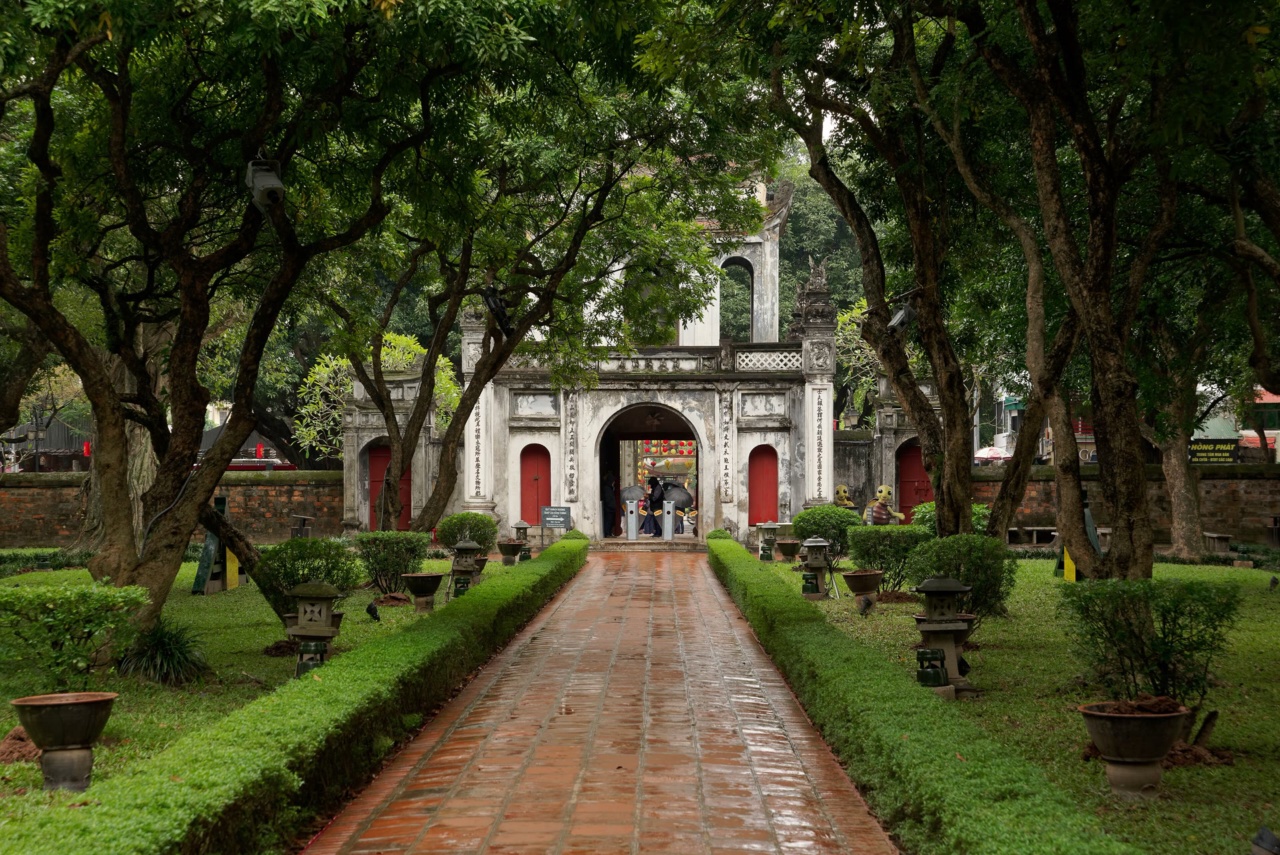
Vietnam's capital is a city of layered history and relentless energy. The Old Quarter, with its narrow streets named after the goods once traded there (Silk Street, Silver Street, Paper Street), is a maze of colonial architecture, ancient temples, and tiny shopfronts. Hoan Kiem Lake provides a tranquil centerpiece, while the French Quarter offers wide boulevards and grand buildings. Key sights include the Ho Chi Minh Mausoleum complex, the Temple of Literature, and the atmospheric Long Bien Bridge. Hanoi is also Vietnam's undisputed street food capital - the city lives and eats on its sidewalks.
Vietnam's largest city is a high-octane metropolis where gleaming skyscrapers rise above French colonial landmarks and ancient pagodas. The War Remnants Museum and Reunification Palace provide sobering historical context, while districts like Cholon (Chinatown) and the backpacker hub of Bui Vien Street pulse with energy. The city is a powerhouse of modern Vietnamese culture - fashion, nightlife, contemporary art, and innovative cuisine all thrive here. Day trips to the Cu Chi Tunnels offer a visceral glimpse into wartime history.
Halong Bay
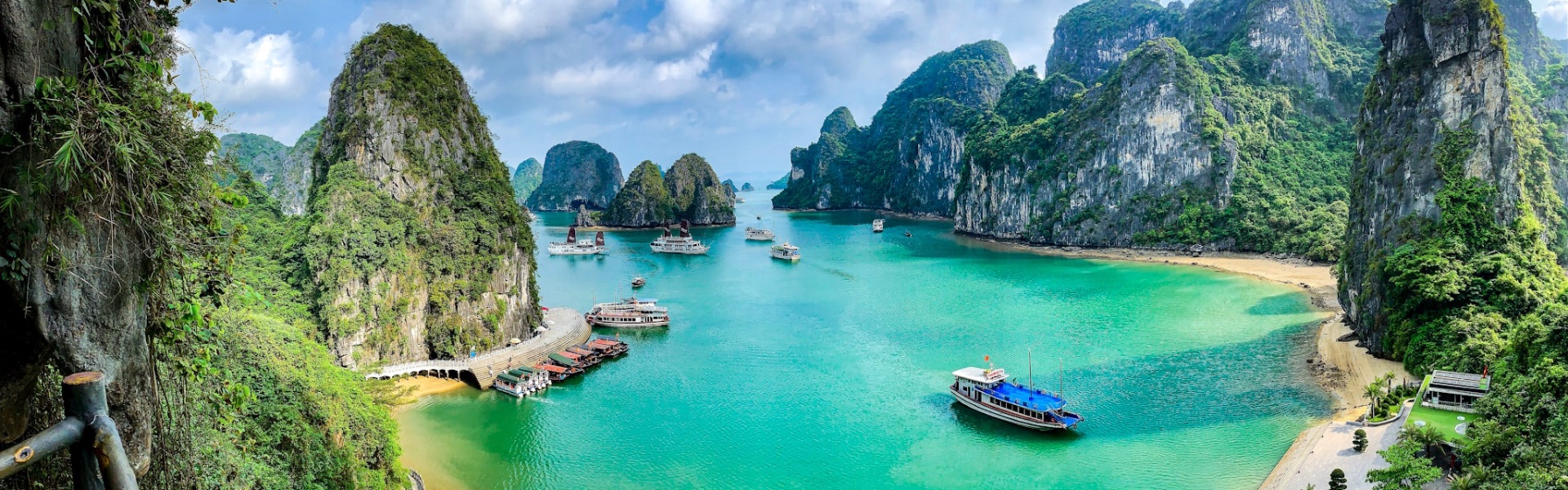
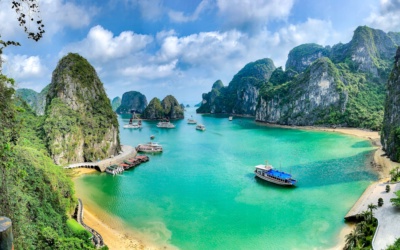
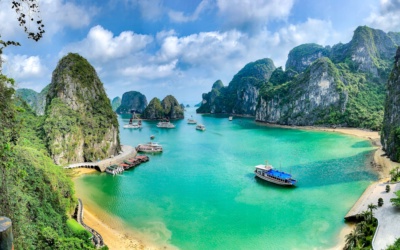
Few natural wonders in Asia match the spectacle of Halong Bay's limestone karsts and islands rising from emerald waters. The UNESCO-listed Ha Long Bay - Cat Ba Archipelago covers 1,133 islands and islets.[1] Overnight cruises are the classic way to experience the bay, with options ranging from budget junk boats to luxury vessels. Kayaking through hidden lagoons, visiting floating fishing villages, and watching the sunrise from the deck of your boat are unforgettable experiences. For fewer crowds, consider neighboring Lan Ha Bay or Bai Tu Long Bay, which offer similar scenery with a fraction of the tourist traffic.
Hoi An
This perfectly preserved trading port on the central coast is many travelers' favorite stop in Vietnam. The Ancient Town, a UNESCO World Heritage Site,[2] is a photogenic collection of Japanese merchant houses, Chinese temples, and French colonial buildings draped in silk lanterns. Hoi An is famous for its tailors - you can have clothing made to measure - and its exceptional food scene, including regional specialties like cao lau and white rose dumplings. The nearby An Bang and Cua Dai beaches provide a welcome counterpoint to temple-hopping.
Hue
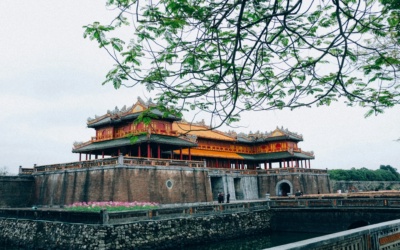
The former imperial capital of Vietnam, Hue sits along the Perfume River and is home to the vast Imperial Citadel, part of a UNESCO-listed complex of monuments. Elaborate royal tombs of the Nguyen emperors line the Perfume River and dot the surrounding countryside.[3] Hue is also a culinary destination in its own right, known for its refined royal cuisine and fiery chili-laced dishes. The city serves as a gateway to the DMZ (Demilitarized Zone), a historically significant area for those interested in Vietnam's wartime past.
Sapa and the Northern Highlands
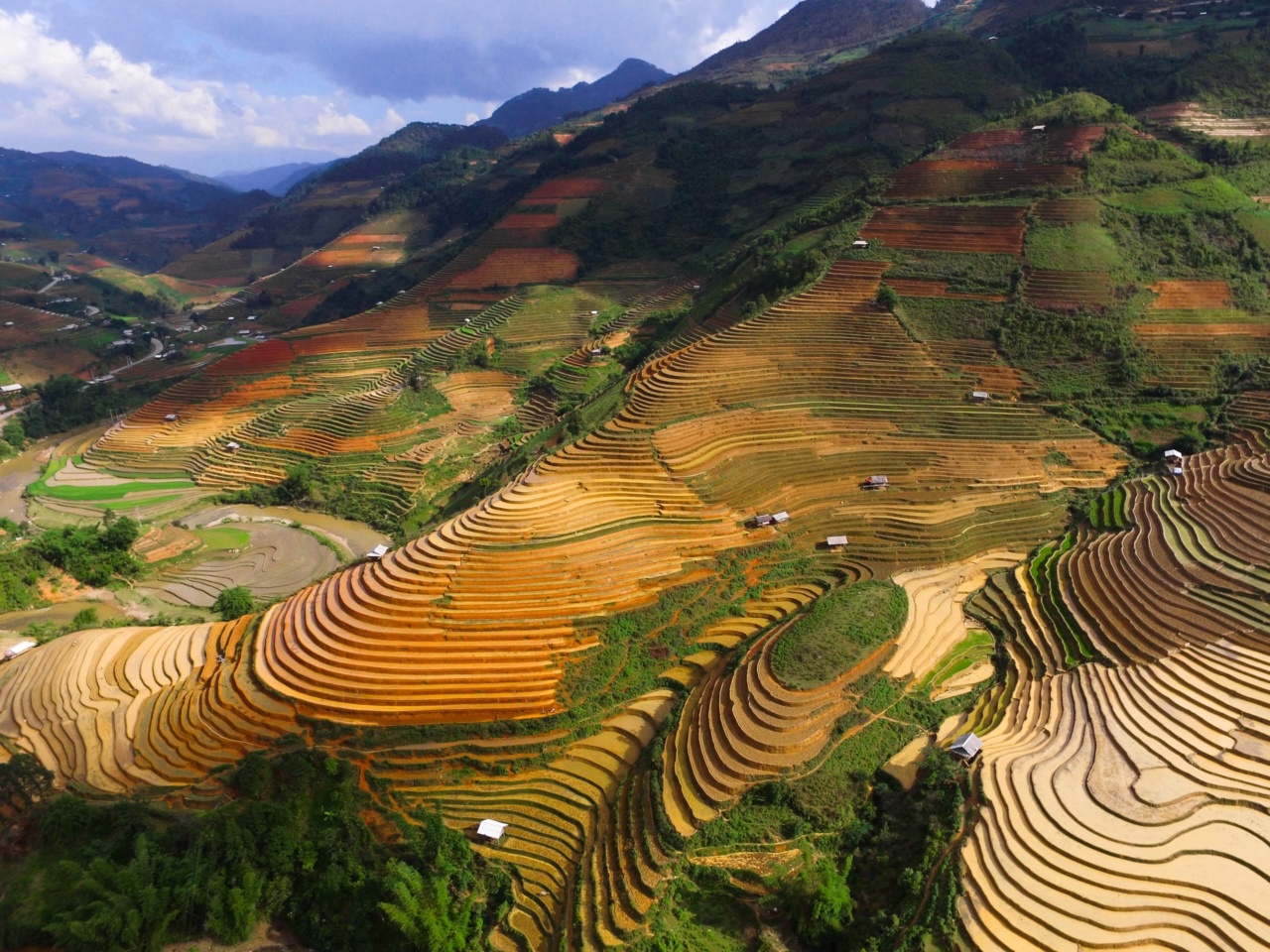
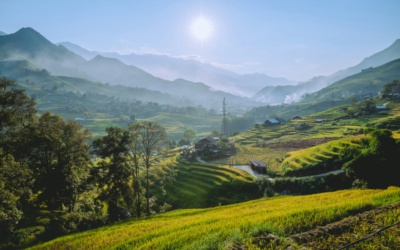
The mountainous northwest around Sapa offers Vietnam's most dramatic trekking scenery. Terraced rice paddies carved into steep mountainsides create a patchwork of greens and golds that shift with the seasons. The area is home to diverse ethnic minority communities - including the Hmong, Dao, and Tay peoples - whose vibrant traditional dress and distinct cultural practices add richness to any visit. Homestays in local villages offer authentic cultural immersion. For a less touristy alternative, consider Ha Giang province, where the Ma Pi Leng Pass delivers some of Southeast Asia's most jaw-dropping mountain roads.
Phong Nha-Ke Bang National Park
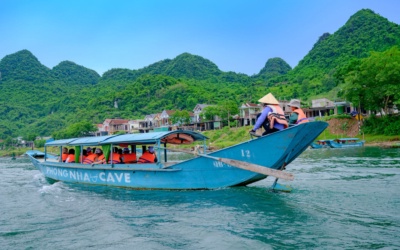
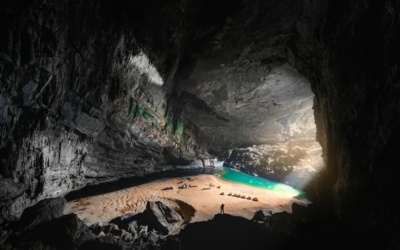
Home to a vast network of caves, including Son Doong Cave, Phong Nha is a paradise for adventure travelers. The Son Doong expedition takes four days with camping and is often booked out months in advance. Even without tackling it, visitors can explore Paradise Cave and the underground river of Phong Nha Cave on half-day tours, or trek to Hang En Cave with an overnight stay in the jungle or at the cave entrance.[4] The surrounding karst landscape is spectacular for cycling, kayaking, and jungle trekking.
Mekong Delta
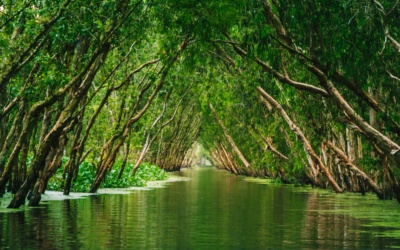
The vast river delta in Vietnam's deep south is a watery world of floating markets, fruit orchards, and narrow canals shaded by coconut palms. Can Tho's Cai Rang floating market is the most famous, where hundreds of boats laden with produce create a chaotic, colorful spectacle at dawn. The delta offers a glimpse into rural Vietnamese life that feels worlds away from the big cities. Ben Tre and Vinh Long are excellent bases for exploring by boat and bicycle.
Ninh Binh
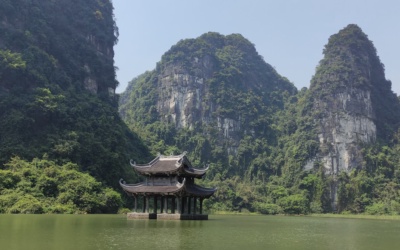
Often called the "Halong Bay on land," Ninh Binh province features towering limestone karsts rising from flooded rice paddies. Boat trips through the Tam Coc and Trang An cave systems are magical, especially during the rice harvest season. The ancient capital of Hoa Lu and the sprawling Bai Dinh Pagoda complex add historical and spiritual dimensions. Ninh Binh is an easy day trip or overnight excursion from Hanoi and offers a quieter, more affordable alternative to Halong Bay.
Da Nang and the Central Coast
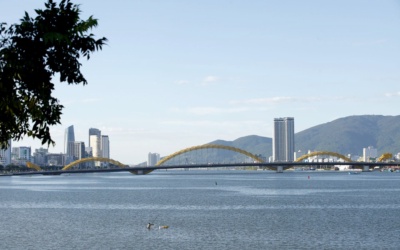
Da Nang has transformed into a modern, livable city with excellent beaches, the iconic Dragon Bridge, and easy access to both Hoi An and Hue. The Marble Mountains - a cluster of limestone hills riddled with caves and temples - are worth a half-day visit. The Ba Na Hills resort complex, with its famous Golden Bridge held by giant stone hands, has become one of Vietnam's most photographed attractions. Further south, the coastal city of Nha Trang offers beach resort vibes, while Quy Nhon provides a quieter, more authentic coastal experience.
Phu Quoc Island
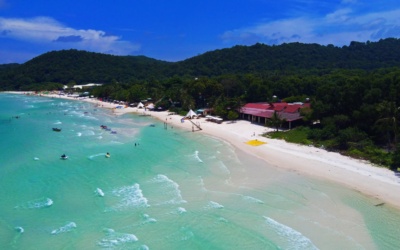
Vietnam's largest island, located in the Gulf of Thailand near the Cambodian border, is the country's premier beach destination. Long Beach on the west coast offers gorgeous sunsets, while the northern and eastern shores remain relatively undeveloped. Phu Quoc is known for its fish sauce production, pepper farms, and excellent seafood. Snorkeling and diving around the An Thoi archipelago reveal healthy coral reefs and diverse marine life. Holders of foreign passports can enter the island visa-free for stays of up to 30 days (see Visa and Entry Requirements below).[5]
Things to Do
Offers are only loaded from GetYourGuide after you click. GetYourGuide can then process your IP address and set cookies. Privacy Policy
GetYourGuide partner offers. GoAsia may earn a commission if you book through these offers. Check whether tickets or transfers are included, and follow the attraction's official booking and admission rules.
Getting Around
Vietnam's long, narrow geography means that getting between the north and south involves significant distances. Fortunately, a well-developed transport network makes the journey part of the adventure.
Domestic flights are the fastest way to cover long distances. Vietnam Airlines and VietJet Air operate frequent routes connecting major cities.[6][7] Nonstop flights from Hanoi to Ho Chi Minh City take about 2 hours 10 minutes on average, and Vietnam Airlines alone flies the route 26 to 32 times a day.[6] Book in advance for the best fares, especially during holidays.
Trains run along the Reunification Express route connecting Hanoi and Ho Chi Minh City, with stops including Dong Hoi, Da Nang, and Nha Trang. The full journey of 1,726 km takes roughly 33 to 35 hours depending on the train, but most travelers break it into shorter segments.[8] Soft sleeper berths are comfortable and atmospheric - watching the countryside roll past from your bunk is a quintessential Vietnam experience. Book through the official Vietnam Railways ticket website or app, or through third-party train ticket apps.[9]
Buses range from basic local services to comfortable sleeper buses with reclining beds. Companies like FUTA Bus Lines run intercity services, for example from Da Nang to Ho Chi Minh City (990 km, about 20 hours).[10] Sleeper buses are the budget traveler's workhorse for overnight journeys, though road safety standards vary. Open bus tickets that allow hop-on, hop-off travel between major tourist stops are popular for backpackers.
Motorbikes are the lifeblood of Vietnamese transportation. Renting a scooter is inexpensive and gives you unmatched freedom to explore. The Ha Giang Loop and Hai Van Pass are legendary motorbike routes. However, traffic in Vietnam is intense and accident rates are high - only ride if you are genuinely experienced, always wear a helmet, and verify that your travel insurance covers motorbike use. Foreign driving licences, even together with an international driving permit, are not valid in Vietnam, and the US embassy advises getting a Vietnamese licence.[11]
Grab (Southeast Asia's equivalent of Uber) operates throughout Vietnam and is the easiest way to get around cities. It works for both cars and motorbike taxis and eliminates haggling over fares. Download the app before you arrive.
Taxis are widely available. Stick to reputable companies to avoid meter scams. Always ensure the meter is running.
Best Time to Visit
Vietnam's climate varies dramatically from north to south, making it a year-round destination if you plan your route wisely.
Northern Vietnam (Hanoi, Halong Bay, Sapa): The best times for Hanoi and Ha Long Bay are generally April to June (warm to hot, clear and sunny) and September to November (cooler and sunny; Hanoi stays pleasant into December). June to August is stormy, hot and humid. Sa Pa is chilly, misty and cloudy from December to March.[12]
Central Vietnam (Hue, Hoi An, Nha Trang): Hue is warm to hot, sunny and clear from March to August, and Hoi An from February to August. In Nha Trang, January to August is hot and sunny, while September to December is cooler, rainy and cloudy.[12]
Southern Vietnam (Ho Chi Minh City, Mekong Delta): From May to November it is hot and humid with sporadic rainfall.[12] The rest of the year is generally drier.
Peak tourist season coincides with Christmas, New Year, and Tet (Vietnamese Lunar New Year, usually late January or February). During Tet, many businesses close, transport is packed, and prices spike - but it is also a fascinating cultural experience if you plan ahead. March to May has the best weather countrywide.[12]
Culture and Customs
Vietnamese culture is shaped by Confucian values, Buddhist traditions, and a fierce sense of national pride. Understanding a few key customs will enrich your experience and earn you respect from locals.
Respect for elders is deeply ingrained. Address older people with appropriate titles and show deference in social situations. When handing something to someone older, use both hands as a sign of respect.
Temple and pagoda etiquette requires removing shoes before entering sacred spaces. Dress modestly - cover your shoulders and knees. Avoid pointing your feet at Buddha statues or altars, and ask permission before photographing worshippers or ceremonies.
The Vietnamese concept of "face" is important. Public displays of anger, loud arguments, or causing someone embarrassment are considered very rude. If you have a complaint, handle it calmly and privately. A smile goes a long way in resolving disagreements.
Greetings traditionally involve a slight bow with hands clasped. Handshakes are common in business settings. Vietnamese names place the family name first, but people are typically addressed by their given (last) name.
Tipping is not traditionally expected but is increasingly appreciated in tourist areas. Rounding up taxi fares, leaving a small tip at restaurants, and tipping tour guides and hotel staff are all welcome gestures. In local eateries, tipping is not necessary.
Photography: Always ask before photographing people, especially ethnic minorities in the northern highlands. Some communities have grown weary of being treated as photo subjects. Military installations, border areas, and certain government buildings should not be photographed.
Bargaining is expected at markets and with street vendors, but do so with good humor. Start at roughly half the asking price and work toward a mutually agreeable figure. Do not bargain aggressively over tiny amounts - a few cents means far more to the vendor than to you.
Food and Drink
Vietnamese cuisine is one of the great culinary traditions of the world, defined by fresh herbs, balanced flavors, and regional diversity. Eating is arguably the single best reason to visit Vietnam.
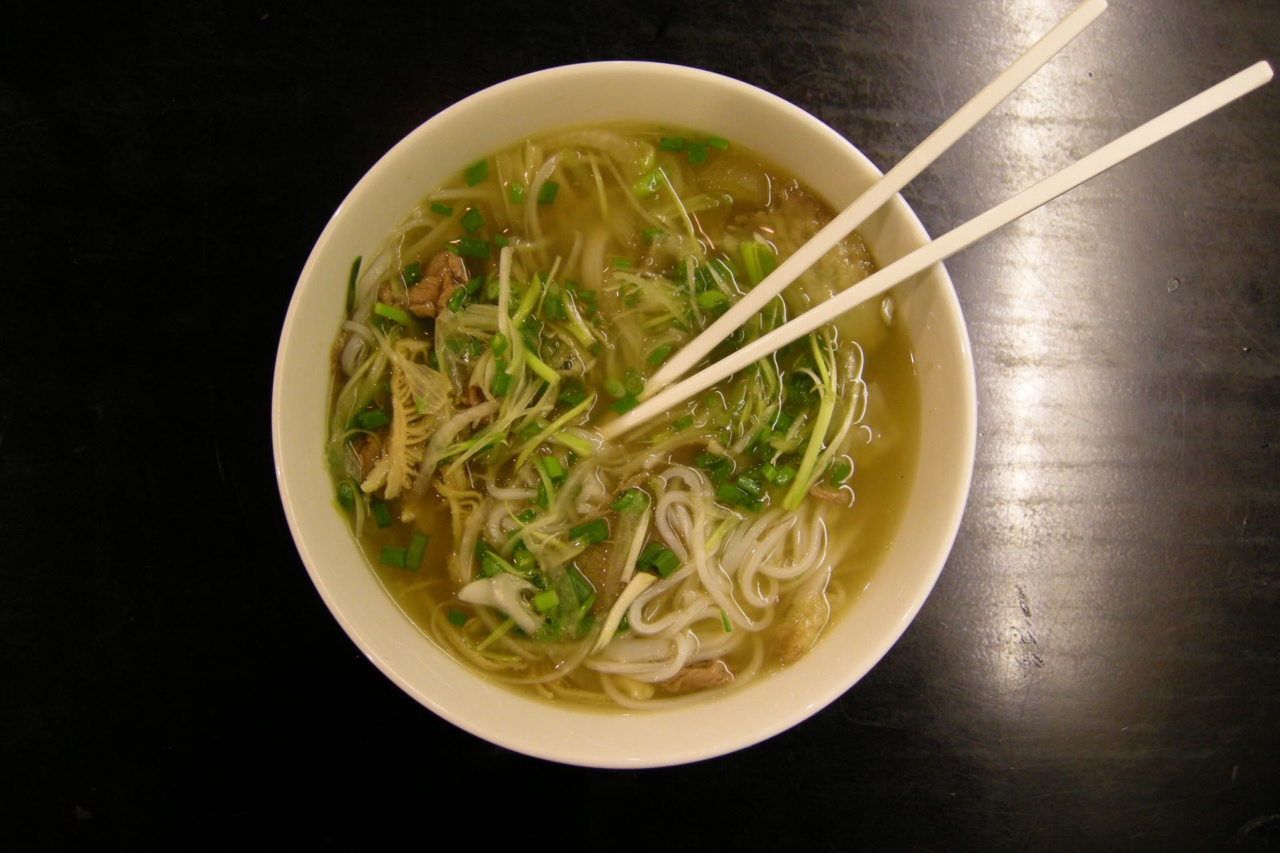
Pho: Vietnam's iconic noodle soup - a fragrant beef or chicken broth ladled over rice noodles and topped with fresh herbs, bean sprouts, chili, and lime. Hanoi and Saigon each claim superiority, and both are right.
Banh mi: A crispy baguette (a legacy of French colonialism) stuffed with pate, cold cuts, pickled vegetables, cilantro, and chili. Arguably the world's greatest sandwich.
Bun cha: Hanoi's beloved lunch dish - grilled pork patties and sliced pork belly served with rice vermicelli, fresh herbs, and a sweet-sour dipping broth.
Cao lau: A Hoi An specialty of thick rice noodles, sliced pork, croutons, and fresh greens in a small amount of rich broth. Traditionally made only with water from a specific local well.
Banh xeo: Crispy, turmeric-tinted crepes stuffed with shrimp, pork, and bean sprouts, wrapped in lettuce and herbs and dipped in nuoc cham sauce.
Com tam: Saigon's breakfast of champions - broken rice served with grilled pork chop, a fried egg, shredded pork skin, and pickled vegetables.
Bun bo Hue: A spicy, lemongrass-scented beef noodle soup from Hue that many Vietnamese consider even better than pho.
Egg coffee (ca phe trung): A Hanoi invention - strong Vietnamese coffee topped with a whipped egg yolk cream that tastes like liquid tiramisu.
Street Food Culture
Vietnam's street food scene is legendary and operates on a simple principle: the best food comes from vendors who have been perfecting a single dish for decades. Look for stalls with high turnover and crowds of locals - this guarantees freshness and quality. Tiny plastic stools on the sidewalk are your dining chairs. Embrace it. Some of the most memorable meals of your life will cost very little.
Drinks
Vietnamese coffee is strong, dark, and typically brewed through a small metal drip filter (phin) directly into your cup. It is commonly served with sweetened condensed milk (ca phe sua da when iced). Bia hoi - fresh draft beer brewed daily and served at street corners - is among the cheapest beers you can find and a quintessential Hanoi experience. Fresh sugarcane juice, coconut water, and fruit smoothies are available everywhere. Local beer brands include Bia Saigon, Bia Hanoi, and 333.
Dietary Considerations
Vegetarian and vegan travelers will find Vietnam surprisingly accommodating. Buddhist vegetarian restaurants (com chay) exist in every city and town, and many street food dishes can be adapted. However, fish sauce (nuoc mam) is ubiquitous and often used even in ostensibly vegetarian dishes - communicate clearly if this is a concern. Those with severe allergies should learn key Vietnamese phrases or carry a translated allergy card, as English is limited in local eateries.
Visa and Entry Requirements
Vietnam has been progressively liberalizing its visa policies to encourage tourism. Several entry options exist depending on your nationality and length of stay.
Visa-free entry is available for citizens of a number of countries. For example, a 45-day exemption applies to citizens of 12 countries (Germany, France, Italy, Spain, the UK, Russia, Japan, South Korea, Denmark, Sweden, Norway and Finland) from 15 March 2025 until 14 March 2028.[5] Eligible countries and permitted stays are updated from time to time, so check the latest list before you book.
E-visas are available to foreigners regardless of nationality; the permitted stay, single or multiple entry, and the designated entry and exit gates depend on the visa issued. Apply through the official Vietnam National Electronic Visa system run by the Immigration Department and follow its current processing instructions.[13]
Visa on arrival: Do not count on a general visa on arrival at the airport. For ordinary tourist travel, use the official Vietnam e-visa system or confirm that a visa exemption applies to your nationality before you travel.[13]
Phu Quoc Island has a special exemption: holders of foreign passports may enter and leave the island visa-free and stay up to 30 days, including when they transit through another international border gate of Viet Nam before reaching Phu Quoc.[5]
Whatever your visa type, make sure your passport has enough validity left for your trip and your visa. Check the current rules on Vietnam's immigration portal before you travel.
Safety and Health
Vietnam is generally a safe country for travelers, with violent crime against tourists being rare. However, there are practical concerns to be aware of.
Traffic is the single biggest safety risk. Vietnamese roads are chaotic, with motorbikes swarming in every direction and traffic rules treated as suggestions. Cross streets slowly and steadily - make eye contact with drivers and let them flow around you. Never make sudden movements. If riding a motorbike, exercise extreme caution.
Petty theft occurs in tourist areas, particularly bag-snatching from motorbikes in Ho Chi Minh City and Hanoi. Keep your phone and valuables secured and carry bags on the side away from the road. Use hotel safes for passports and excess cash.
Common scams include overcharging by taxi drivers (use Grab to avoid this), cyclo drivers quoting one price and demanding another, shoe-shine boys who "accidentally" spill polish on your shoes, and friendly strangers who invite you for drinks only to present an inflated bill. Stay alert but not paranoid - the vast majority of interactions are genuine.
Health precautions: Tap water is not safe to drink - stick to bottled or filtered water. Ice in tourist-oriented restaurants and cafes is generally made from purified water and is safe. Consult a travel health professional about recommended vaccinations before your trip; commonly suggested ones include hepatitis A and B, typhoid, and tetanus. Mosquito-borne illnesses like dengue fever are present, particularly in the south - use repellent throughout the day and night.
Heat and humidity can be intense, particularly in the south and during summer months. Stay hydrated, wear sunscreen, and take breaks during the hottest part of the day. Heat exhaustion and sunburn catch many travelers off guard.
Travel insurance is strongly recommended. Ensure your policy covers medical evacuation, as hospitals in rural areas may have limited facilities. Major cities like Hanoi and Ho Chi Minh City have international-standard hospitals and clinics.
Budget Tips
Vietnam is generally an affordable destination, though prices have risen in popular tourist areas.
What Different Budgets Buy
Your budget depends mostly on where you sleep, what you eat and how you move between cities.
Category
Budget
Mid-Range
Luxury
Accommodation
Hostels, basic guesthouses
Boutique hotels, nice guesthouses
Resorts, luxury hotels
Meals
Street food, local restaurants
A mix of local and tourist restaurants
Fine dining, upscale restaurants
Transport
Local buses, Grab motorbike
Grab car, short train rides
Private car, domestic flights
Money-Saving Strategies
Eat where locals eat. The best food in Vietnam is almost always the cheapest. A bowl of pho from a street stall costs a fraction of what tourist restaurants charge and usually tastes better.
Use sleeper buses for overnight journeys to save on both transport and accommodation costs simultaneously.
Book domestic flights early. VietJet and other airlines occasionally offer promotional fares, which can be cheaper than a bus ticket if booked well in advance.
Stay in homestays in rural areas like Sapa, the Mekong Delta, and Phong Nha. They are cheaper than hotels, and the cultural experience is far richer.
Negotiate tours locally. Booking tours and activities after you arrive is almost always cheaper than pre-booking online through international agencies.
Drink bia hoi. Hanoi's fresh draft beer is the cheapest way to enjoy a cold drink.
Take advantage of free activities. Walking through Hanoi's Old Quarter, exploring Hoi An's streets, watching the sunrise over rice paddies, and swimming at beautiful beaches cost nothing.
Currency and Payment
The Vietnamese dong (VND) is the official currency. The exchange rate means you will be dealing in large numbers, so check the current rate before you travel. ATMs are widely available in cities and tourist areas, dispensing dong. Many charge a withdrawal fee, so check your own bank's terms.
Cash is still king in Vietnam, especially at markets, street food stalls, and smaller establishments. Major hotels, upscale restaurants, and shopping centers accept credit cards, but always carry enough cash for daily expenses. US dollars are sometimes accepted for larger purchases like tours and hotel stays, but you will generally get a better deal paying in dong.
Compare rates before you exchange cash, and avoid changing large sums at airports.
Sources and background
Numbers in the text such as [1] refer to these sources.