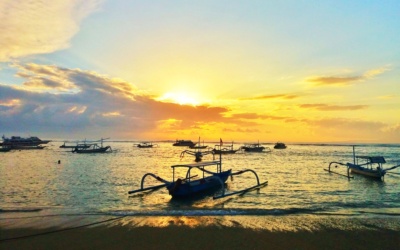
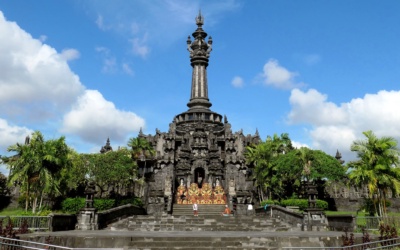
Indonesia is a country of staggering scale and diversity. Stretched across more than 17,000 islands along the equator, this archipelago nation encompasses everything from smoldering volcanoes and ancient Hindu temples to turquoise seas teeming with marine life.[1] It is home to more than 270 million people,[2] along with many ethnic groups and local languages, which makes it one of the most culturally rich nations on Earth.
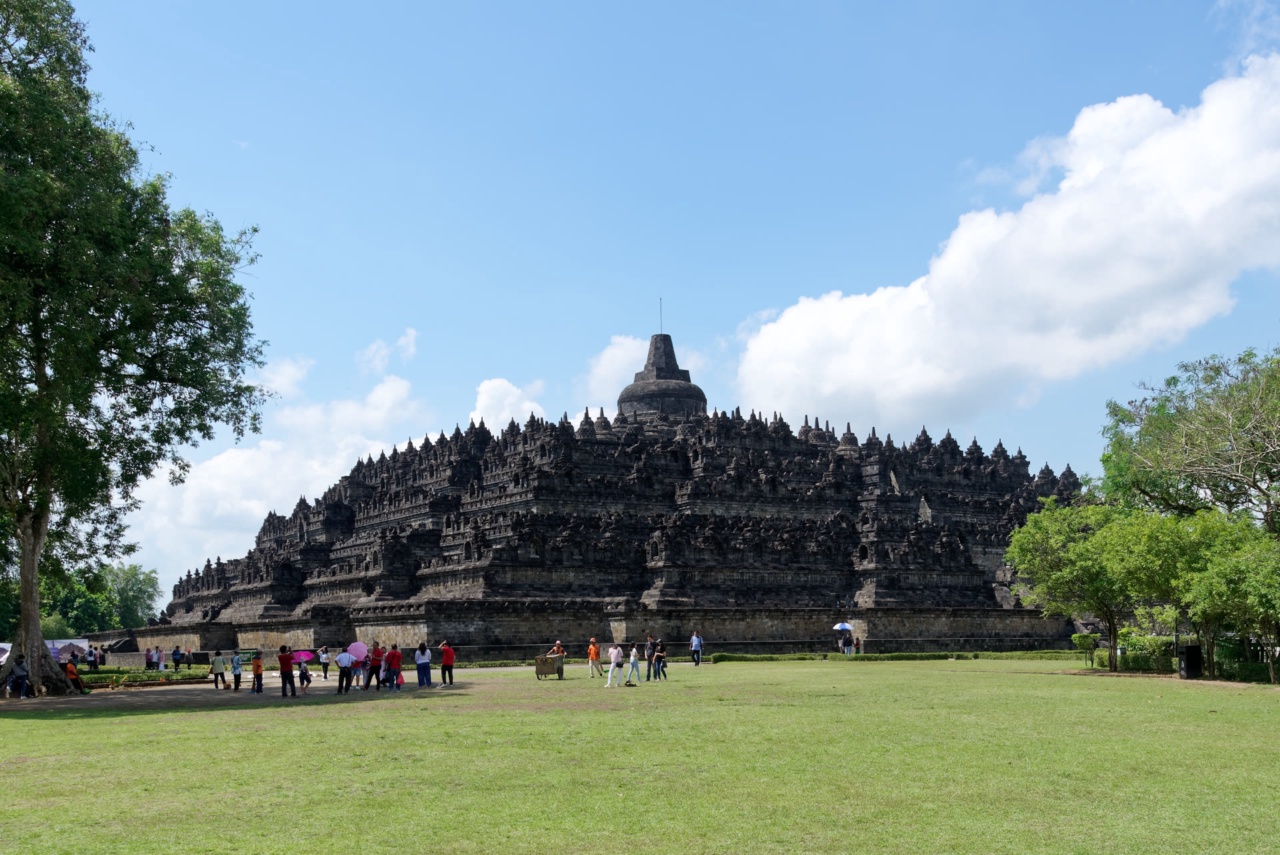
Travelers come to Indonesia for wildly different reasons. Some seek the spiritual calm of a Balinese water temple, others the adrenaline of summiting an active volcano at dawn. Surfers chase world-class breaks in Mentawai and Sumbawa. Divers descend into Raja Ampat, a Coral Triangle biodiversity hotspot whose reefs host more than 75% of all known coral species.[3] Foodies lose themselves in the smoky night markets of Yogyakarta, while history buffs explore Borobudur, one of the greatest Buddhist monuments in the world.[4] Indonesia is not one destination but dozens, each island offering a distinct personality, landscape, and rhythm of life.
Despite its popularity, Indonesia retains vast stretches of territory that see very few visitors. Venture beyond Bali and you will find yourself in places where tourism infrastructure is minimal but the rewards are immense. This guide covers the essentials for navigating this extraordinary country, whether you are planning a week on the beach or months of island-hopping across the archipelago.
Top Destinations
Bali
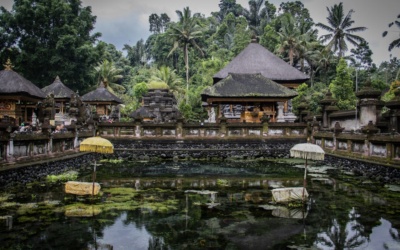
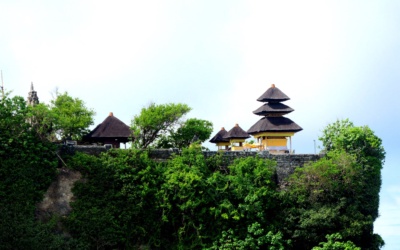
Bali is Indonesia's best-known tourist island, and for good reason. The cultural heartland around Ubud offers terraced rice paddies, traditional dance performances, and a thriving arts scene. The southern coast around Seminyak, Canggu, and Uluwatu draws surfers and nightlife seekers. Bali's Hindu temples, particularly Tanah Lot, Uluwatu, and Besakih, are architectural marvels set against dramatic backdrops. Despite heavy tourism, quieter corners exist in the north around Lovina and Amed, and in the mountainous interior near Mount Agung and Mount Batur.
Yogyakarta and Central Java
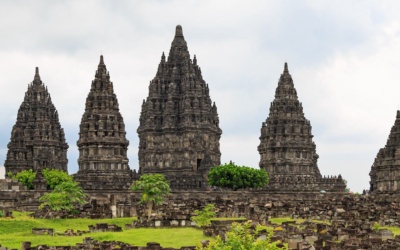
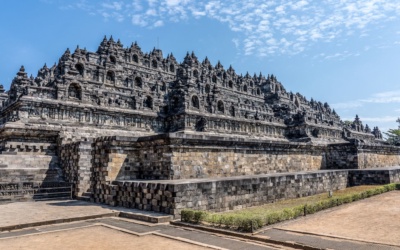
Yogyakarta, often called Jogja, is the cultural soul of Java. It serves as the gateway to Borobudur, the colossal Buddhist temple complex built in the 8th and 9th centuries, and Prambanan, an equally impressive Hindu temple compound.[4][5] The city itself buzzes with batik workshops, wayang (shadow puppet) performances, and a lively street food scene centered around Malioboro Street. Nearby, the Dieng Plateau offers misty volcanic landscapes and ancient temples at altitude.
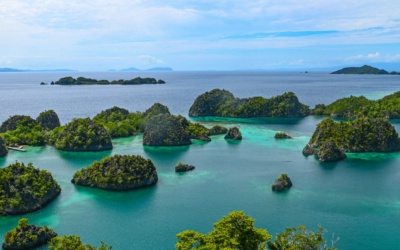
Located off the northwest tip of Papua, Raja Ampat is a remote marine paradise. Its reefs host more than 75% of all known coral species and more than 1,320 species of coral reef fish.[3] Diving and snorkeling here is a bucket-list experience. Getting there requires effort and expense, but the payoff is an almost untouched underwater world. Homestays on local islands provide a simple but authentic way to experience the region.
Komodo National Park
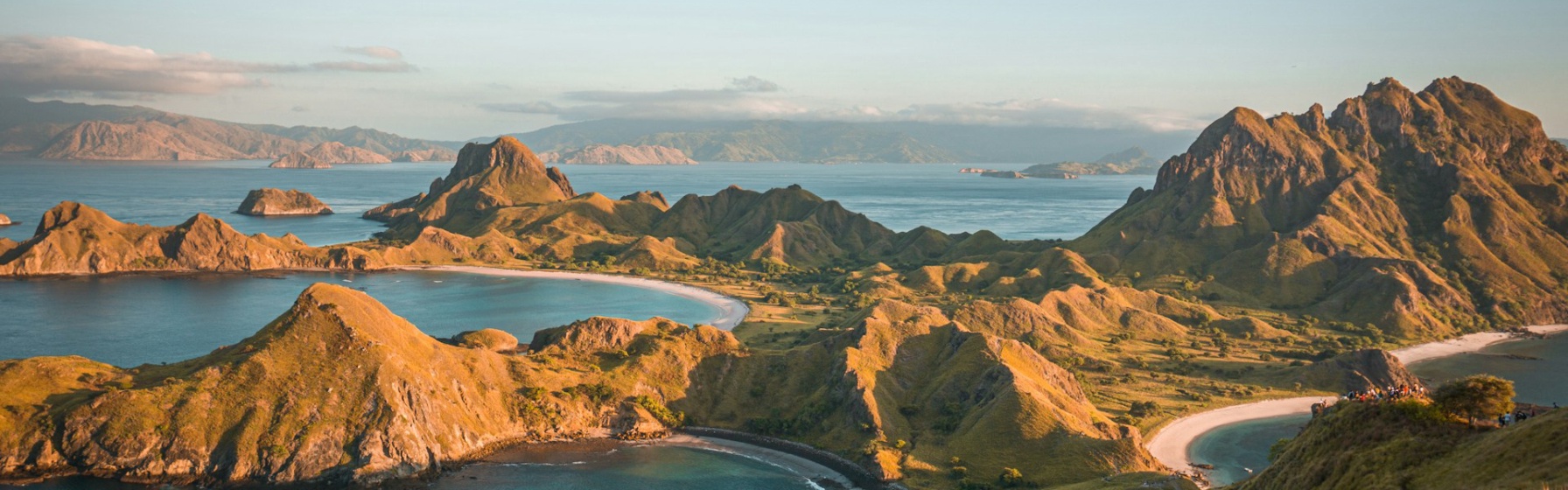
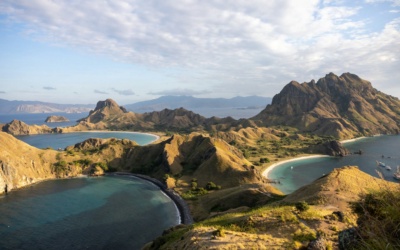
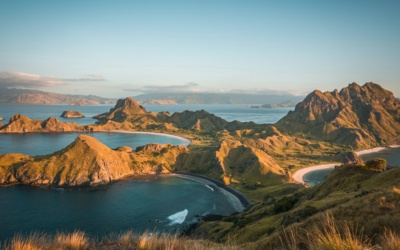
The Komodo archipelago, accessible from the town of Labuan Bajo in Flores, is home to the famous Komodo dragon, the world's largest lizard.[6] Beyond the dragons, the park offers exceptional diving at sites like Batu Bolong and Manta Point, pink sand beaches, and dramatic hilly landscapes.[6] Labuan Bajo itself has grown into a traveler hub with restaurants, dive shops, and liveaboard operators.
Lombok and the Gili Islands
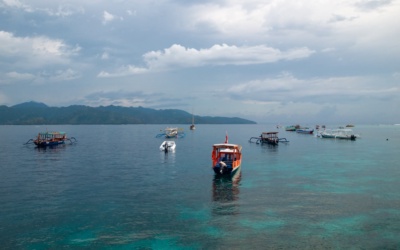
Lombok sits just east of Bali but feels far less developed. Mount Rinjani, one of Indonesia's highest volcanoes at 3,726 meters, offers a challenging multi-day trek to a stunning crater lake.[7] The southern coast has powerful surf breaks and empty beaches. The three Gili Islands, Gili Trawangan, Gili Meno, and Gili Air, are car-free specks of sand known for snorkeling with sea turtles, relaxed beach bars, and clear water.[7][8]
Sumatra
Sumatra is Indonesia's wild frontier. In the north, Bukit Lawang provides a chance to see orangutans in Gunung Leuser National Park. Lake Toba, the world's largest volcanic crater lake, sits in a massive caldera and is home to the Batak people and their distinctive architecture.[9] The Mentawai Islands off the west coast are a world-renowned surfing destination. Sumatra is rugged, less tourist-friendly, and deeply rewarding for those willing to deal with longer travel times and rougher infrastructure.
Sulawesi
Sulawesi's bizarre shape hides extraordinary diversity. Tana Toraja in the highlands is famous for its elaborate funeral ceremonies, cliff-side burial sites, and tongue-shaped traditional houses called tongkonan. The Togean Islands and Bunaken Marine Park offer outstanding diving with fewer crowds than more famous sites. Makassar, the southern capital, is a bustling port city with excellent seafood.
Flores
Beyond its role as the jumping-off point for Komodo, Flores is a destination in its own right. The Trans-Flores Highway winds through volcanic mountains, traditional villages, and dramatic coastline. Kelimutu volcano features three crater lakes that change color over time.[10] The Ngada and Manggarai cultures maintain traditional villages and rituals that provide a window into pre-modern Indonesian life.
Things to Do
Offers are only loaded from GetYourGuide after you click. GetYourGuide can then process your IP address and set cookies. Privacy Policy
GetYourGuide partner offers. GoAsia may earn a commission if you book through these offers. Check whether tickets or transfers are included, and follow the attraction's official booking and admission rules.
Getting Around
Indonesia's geography makes domestic transport both an adventure and a logistical challenge. No single mode of transport covers the whole country, so expect to combine flights, ferries, buses, and motorbikes.
Flights: Domestic air travel is the most practical way to cover long distances. Airlines like Garuda Indonesia, Lion Air, and Citilink connect major cities and many smaller towns.[11][12][13] Delays can happen, so always allow buffer time for connections. Book directly through airline apps or aggregator sites.
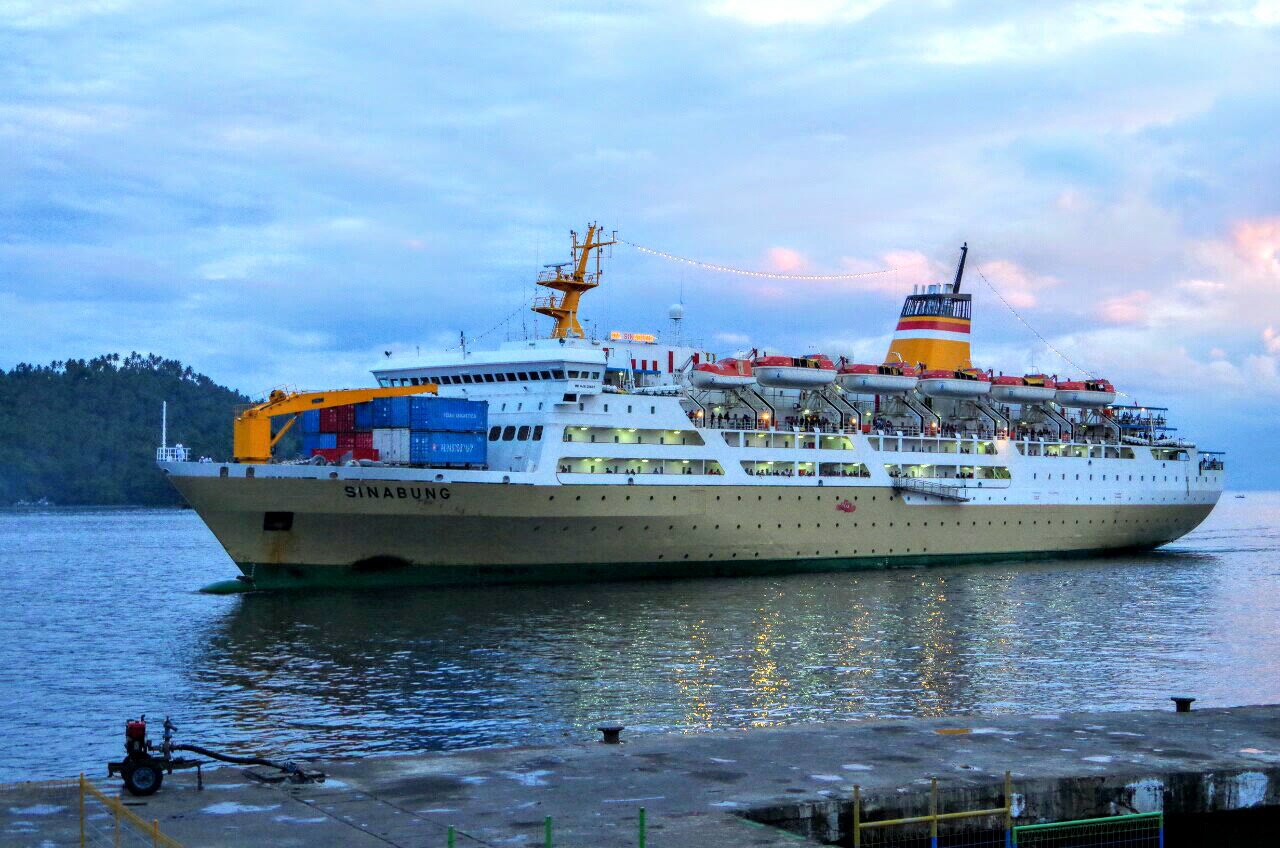
Ferries and boats: PELNI runs passenger ships between ports across the archipelago, and ASDP operates shorter ferry crossings such as Padangbai to Lembar between Bali and Lombok, though schedules can change.[14][15] Fast boats run between popular tourist routes like Bali to the Gili Islands and Bali to Nusa Penida.[16] For remote areas like Raja Ampat or the Togean Islands, local longboats or chartered speedboats may be the only option. Always check safety standards, especially for smaller operators, and make sure there are life jackets for everyone on board.[17]
Buses and minivans: Long-distance buses are cheap but often uncomfortable, with journeys that can stretch well beyond scheduled times. Executive-class buses with air conditioning and reclining seats are the more comfortable option. Minivans, often called travel or shuttle services, connect tourist towns and can be booked through hotels or local agents.
Motorbikes: Renting a scooter is a popular way to explore individual islands. You need an Indonesian licence or an International Driving Permit, and it must be valid for motorbikes.[17] Wear a helmet, drive defensively, and be aware that road conditions vary wildly. In many cities, ride-hailing apps like Grab and Gojek offer motorbike taxis (ojek) and car rides.[18]
Trains: Java has the country's main rail network, run by KAI, including the Whoosh high-speed line between Jakarta and Bandung.[19] Book through the official KAI Access app or website; foreign passengers enter their passport number.[20] Sumatra has limited rail service, and a short line in South Sulawesi connects Makassar and Parepare.[21] Most other islands have no passenger trains.
Best Time to Visit
Indonesia sits on the equator, so temperatures remain warm year-round in the lowlands. The main consideration is rainfall.
Dry season (roughly May to October): This is a popular time to visit most of Indonesia. Skies are clearer, seas are calmer for diving and island-hopping, and trekking conditions are better. Bali, Lombok, Komodo, and eastern Indonesia are at their best during these months. This is also peak tourist season, so expect higher prices and larger crowds in popular areas.
Wet season (roughly November to March): For 2026/27, BMKG, Indonesia's meteorological agency, expects most regions to enter the wet season in November or December, later than normal in many areas, with the peak between December and February.[22] Rain falls in heavy but often short bursts, usually in the afternoon. Travel is still possible and many destinations are far less crowded. Some remote areas become difficult to access due to rough seas or washed-out roads. Surfing conditions on the west coast of Sumatra and Java can be better during the wet season due to Indian Ocean swells.
Regional variations: Maluku and parts of Sulawesi have reversed or irregular wet and dry seasons. Always check regional weather patterns rather than relying on general Indonesia-wide advice.
For climbing Rinjani or other volcanoes, the dry season months are strongly recommended.
Culture and Customs
Indonesia is a Muslim-majority country, though its culture is a complex tapestry of Islamic, Hindu, Buddhist, Christian, and animist traditions. Each island and ethnic group has its own customs, but some general principles apply across the archipelago.
Religion and respect: Indonesians are generally devout, and religion plays a central role in daily life. Bali is predominantly Hindu, parts of Sulawesi, Flores, and Papua are Christian, and most of Java, Sumatra, and Kalimantan are Muslim. Respect local religious practices. During Ramadan in Muslim areas, avoid eating, drinking, or smoking in public during daylight hours as a courtesy, even though tourists are not expected to fast.
Dress codes: Dress modestly, especially outside of tourist beach areas. Cover shoulders and knees when visiting temples, mosques, and rural villages. In Bali, sarongs and sashes are required to enter Hindu temples and are usually available to borrow or rent at the entrance. On beaches in tourist areas, swimwear is fine, but cover up when walking through towns.
Greetings and gestures: Indonesians greet with a smile and often a slight bow or nod. Handshakes are common but should be gentle. Use your right hand for giving, receiving, eating, and pointing, as the left hand is considered unclean. Remove shoes before entering homes and many businesses. Pointing with your index finger is considered rude; use your thumb instead.
Concept of face: Like many Southeast Asian cultures, Indonesia values social harmony and the concept of saving face. Direct confrontation, public anger, or loud complaints are considered very rude. If something goes wrong, address it calmly and with a smile. Patience goes a long way.
Tipping: Tipping is not deeply ingrained in Indonesian culture but is appreciated in tourist areas. Rounding up bills, leaving small tips for guides, drivers, and hotel staff is a kind gesture. In upscale restaurants, a service charge may already be included.
Food and Drink
Indonesian cuisine is one of Southeast Asia's most underrated culinary traditions. The sheer diversity of the archipelago means that every island has its own specialties, ingredients, and cooking styles.
Must-Try Dishes
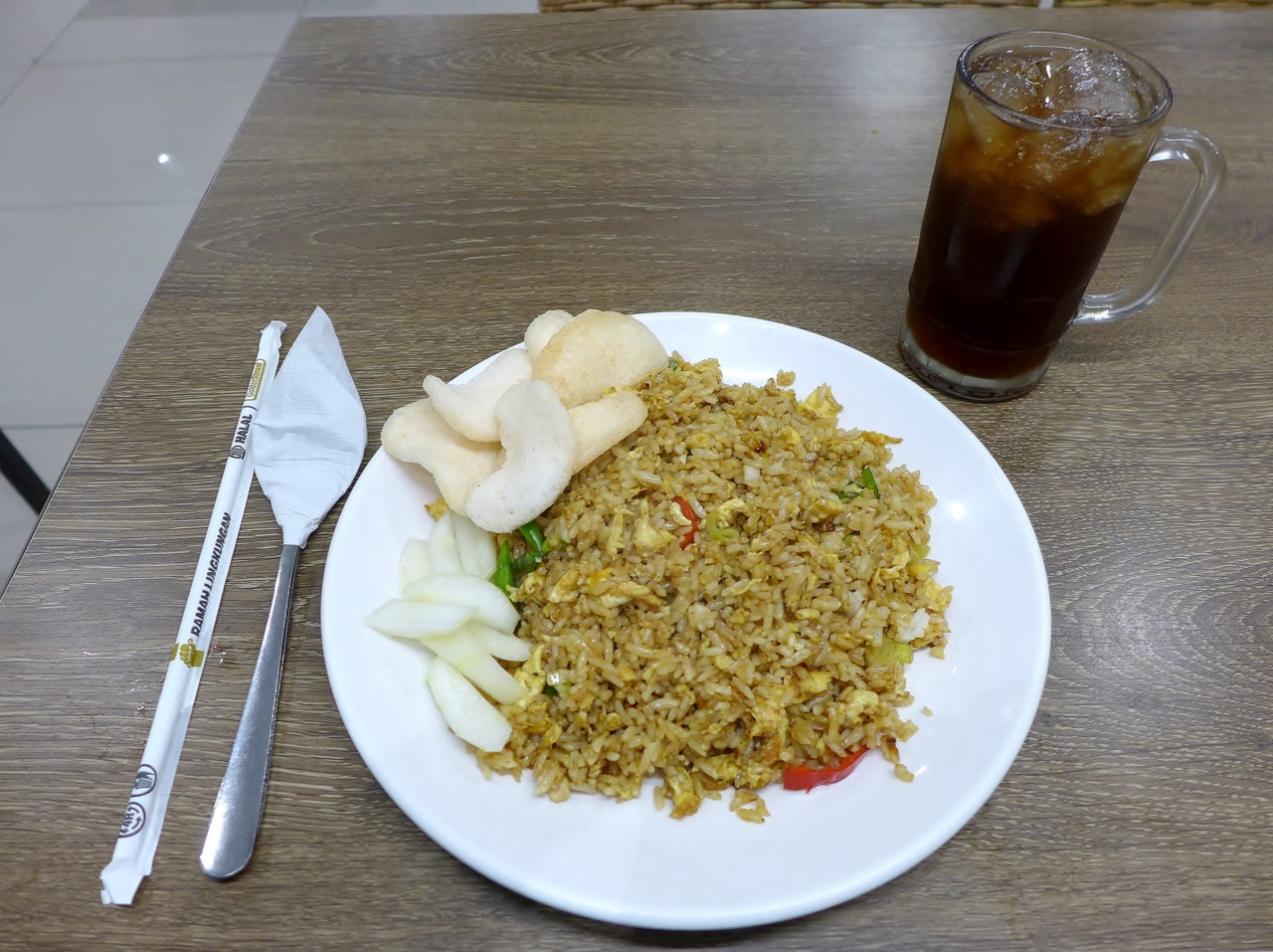
Nasi goreng: Indonesia's national dish, fried rice cooked with sweet soy sauce (kecap manis), shallots, garlic, chili, and usually topped with a fried egg. Found everywhere from street carts to hotel restaurants.
Rendang: A slow-cooked dry curry of beef simmered in coconut milk and a rich spice paste. Originating from the Minangkabau people of West Sumatra.
Sate (satay): Skewered and grilled meat served with peanut sauce. Variations include sate ayam (chicken), sate kambing (goat), and Madura-style sate with its distinctive sweet soy marinade.
Gado-gado: A salad of blanched vegetables, tofu, tempeh, and hard-boiled egg drenched in a rich peanut sauce. A satisfying vegetarian option available across Java.
Soto: A fragrant soup that varies dramatically by region. Soto ayam (chicken) and soto betawi (beef in coconut milk, from Jakarta) are among the most popular versions.
Bakso: Meatball soup, typically beef, served in a savory broth with noodles, tofu, and fried wontons. Ubiquitous street food found from pushcarts across the country.
Nasi Padang: A Sumatran tradition where a dazzling array of pre-cooked dishes is placed on your table, and you pay only for what you eat. Expect fiery sambals, curried meats, vegetables in coconut sauce, and crispy fried items.
Babi guling: Balinese spit-roasted suckling pig, seasoned with turmeric and spice paste. A highlight of Balinese cuisine, found at warungs (small eateries) across the island.
Street Food Culture
Street food is the backbone of Indonesian eating culture. Warungs and kaki lima (mobile food carts) serve cheap, filling meals. Night markets, called pasar malam, are the best places to sample a wide variety of dishes in one sitting. Yogyakarta's Malioboro area, Surabaya's food stalls, and Jakarta's street food enclaves are particularly rewarding for adventurous eaters.
Coffee grows across the archipelago. Kopi tubruk, a traditional brew where ground coffee is mixed directly with hot water and sugar in the cup, is served everywhere. Toraja, Aceh Gayo, and Flores are well-known coffee origins. Teh manis (sweet tea) is the default drink at most warungs. Fresh coconut water, sugarcane juice, and es campur (shaved ice with fruit, jelly, and condensed milk) are popular refreshments. Alcohol is available in tourist areas and non-Muslim regions but is restricted or unavailable in conservative areas. Bintang is the ubiquitous local beer. Avoid arak (local spirit) and other homemade alcohol, as methanol contamination has caused serious illness and deaths among tourists, and drink only at reputable licensed venues.[17]
Dietary Considerations
Vegetarians can manage well with dishes like gado-gado, tempeh, tofu-based dishes, and vegetable curries, but be aware that shrimp paste (terasi) and fish sauce are common hidden ingredients. Halal food is the default in most of Indonesia. Pork is widely available in Bali, Manado (North Sulawesi), and Christian areas. Do not drink tap water; stick to bottled, boiled, or filtered water.[17]
Visa and Entry Requirements
Indonesia offers several entry options depending on your nationality and intended length of stay. Rules change periodically, so always verify current requirements before traveling.
Visa on Arrival (VOA): Many nationalities can obtain a visa on arrival at certain international airports, seaports, and land crossings, or apply for an e-VOA online at least 48 hours before travel.[17] The visa is valid for a 30-day stay and can be extended once for a maximum of 30 days at an immigration office within Indonesia, for a total of 60 days.[23] The fee is IDR 500,000,[24] and some regional checkpoints accept cash only.[17]
Visa-free entry: Citizens of certain countries may enter without a visa for a stay of up to 30 days, which cannot be extended or converted into another type of stay.[25] Check the official list for your nationality.
E-visa: Indonesia has an electronic visa system that lets travelers apply online before arrival, including for the e-VOA.[24] Use only the official e-visa website of the Directorate General of Immigration and beware of fake websites.[17]
Longer stays: A visa on arrival allows at most 60 days in total, so for longer stays you need a different type of visa, which you should arrange before you travel.[23]
Your passport must be valid for at least 6 months from the date of arrival, and you may be asked to show a return or onward ticket.[24]
All Indonesia arrival declaration: International arrivals complete the official All Indonesia arrival declaration, which can be filled in from three days before arrival. It combines immigration, customs, health, and quarantine declarations.[26] This is an arrival declaration, not a visa, so check your nationality-specific visa or visa-free permission separately.
Safety and Health
General Safety
Indonesia is generally safe for travelers, and violent crime against tourists is rare. However, petty theft, bag snatching, and scams occur in tourist areas. Keep valuables secure, be cautious with belongings on motorbikes, and use hotel safes. Avoid carrying large amounts of cash.
Common scams: Overcharging by taxi drivers (use metered taxis or ride-hailing apps), fake tour operators, money-changing scams involving sleight-of-hand counting tricks, and inflated prices at tourist-oriented shops. In Bali, be wary of locals offering unofficial tours or transport at inflated rates.
Natural hazards: Indonesia sits on the Pacific Ring of Fire. Earthquakes, volcanic eruptions, and tsunamis are real risks, and many volcanoes are active and can erupt without warning.[17] Familiarize yourself with evacuation routes in coastal areas. Monitor volcanic activity if trekking near active volcanoes. The rainy season can bring flooding and landslides, particularly in Java and Sumatra.
Drug laws: Indonesia has extremely strict drug laws. Penalties for ordering, possessing, or using illegal drugs can include heavy fines, long prison sentences, and the death penalty. Some prescription medications and all cannabis-based products, including CBD, are also illegal, even with a prescription.[17]
Health
Consult a travel health professional before your trip. Commonly recommended vaccinations include hepatitis A and B, typhoid, and routine boosters.[27] Rabies vaccination is worth discussing with a doctor, as rabid dogs are found across Indonesia and human rabies cases have increased in West Timor.[27] Malaria is a risk across eastern Indonesia, including Labuan Bajo and the Komodo Islands, and in rural parts of Kalimantan, Lombok, Sulawesi, and Sumatra, while Jakarta, Ubud, and the resort areas of Bali and the Gili Islands have no malaria transmission; prophylaxis may be recommended.[27] Dengue fever, spread by mosquitoes that can bite during the day and night, is a risk across the country, and cases of Zika have been reported in travelers returning from Bali (CDC notice of August 2026).[27] Use insect repellent and wear long sleeves during the day and night.
Medical standards are lower than in many Western countries, and many regional hospitals only provide basic facilities.[17] In remote areas, medical infrastructure is very limited. Comprehensive travel insurance with medical evacuation coverage is essential.
Drink only bottled, boiled, or filtered water and be cautious with raw food such as salads.[17] Stomach issues are common for new arrivals; ease into street food gradually and carry basic medication.
Budget Tips
Indonesia works on many budgets, and costs vary significantly by region and travel style.
Where to Save Money
Eat local: A plate of nasi goreng at a warung costs a fraction of a restaurant meal. Street food is not only cheaper but often tastier and more authentic.
Stay in guesthouses and homestays: Family-run accommodations offer clean rooms at a fraction of hotel prices and provide a more personal experience. In remote areas like Raja Ampat, homestays are often the only option and include meals.
Use ride-hailing apps: Grab and Gojek are often cheaper than tourist taxis and eliminate haggling. They also offer food delivery if you want to eat cheaply without leaving your accommodation.
Book domestic flights early: Prices often rise closer to departure, so booking ahead usually helps on popular routes.
Negotiate respectfully: Bargaining is expected in markets and for unlicensed transport. Start well below the asking price and negotiate with a smile. Do not bargain at warungs, shops with fixed prices, or for very small amounts.
Travel slower: Moving between islands frequently is expensive due to boat and flight costs. Spending more time in fewer places reduces transport expenses and gives you a deeper experience.
Money and Payments
The Indonesian rupiah (IDR) is the local currency. Denominations are large, so get comfortable with the zeros. ATMs are widely available in cities and tourist areas but can be scarce in remote locations. Withdraw larger amounts to reduce transaction fees. Notify your bank before traveling, as Indonesian ATMs occasionally trigger fraud alerts.
Credit cards are accepted at hotels, upscale restaurants, and shops in tourist areas, but cash is king for most daily transactions, especially at warungs, markets, and for local transport. Carry small bills, as vendors and drivers often cannot break large notes. Money changers in tourist areas sometimes use deceptive practices; use bank-affiliated exchange counters or ATMs for the best rates.
QRIS, Indonesia's universal QR payment system, is increasingly accepted even at small shops and warungs, and international visitors can use it at merchants that accept it.[28] Keep some cash as a backup.
Sources and background
Numbers in the text such as [1] refer to these sources.