India does not gently introduce itself. It arrives all at once: the wall of heat stepping off the plane, the symphony of car horns, the aroma of spices and diesel and incense tangling together, the kaleidoscope of saris and marigold garlands and hand-painted trucks. This is a country that operates on a scale and intensity unlike anywhere else on Earth, home to well over a billion people, dozens of languages, several major religions, and a civilization stretching back thousands of years.
Traveling India is both deeply rewarding and genuinely challenging. The infrastructure can be chaotic, the poverty confronting, and the sensory overload exhausting. But those who embrace the unpredictability discover a country of extraordinary generosity, spiritual depth, and creative brilliance. From the marble perfection of the Taj Mahal to the backwaters of Kerala, from the desert fortresses of Rajasthan to the misty tea plantations of Darjeeling, India contains multitudes. No single trip can capture it all, and most travelers find themselves returning again and again.
The key to enjoying India is to slow down, stay flexible, and surrender to the experience. Plans will change. Trains will be late. Stomachs will be tested. But in between, you will eat some of the best food of your life, witness devotion that moves you, and encounter a warmth from strangers that restores your faith in humanity.
Top Destinations
Delhi
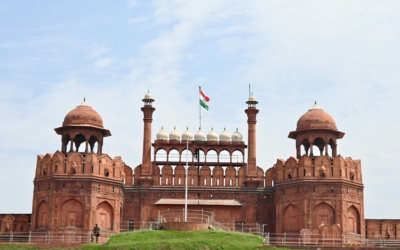
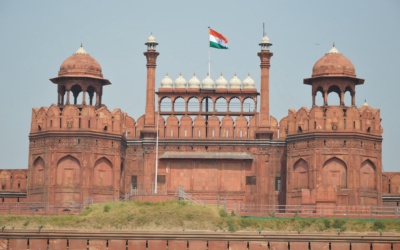
India's capital is a city of layers. Old Delhi, with its narrow lanes around the Jama Masjid mosque and the chaos of Chandni Chowk market, feels medieval in places. New Delhi, designed by the British architect Edwin Lutyens, spreads out with broad boulevards, government buildings, and leafy neighborhoods. Key sights include the Red Fort, Humayun's Tomb (a precursor to the Taj Mahal), the Qutub Minar, and the serene Lotus Temple. Delhi is also a food capital, from legendary street food in Old Delhi's Paranthe Wali Gali to sophisticated modern Indian restaurants.
Agra and the Taj Mahal
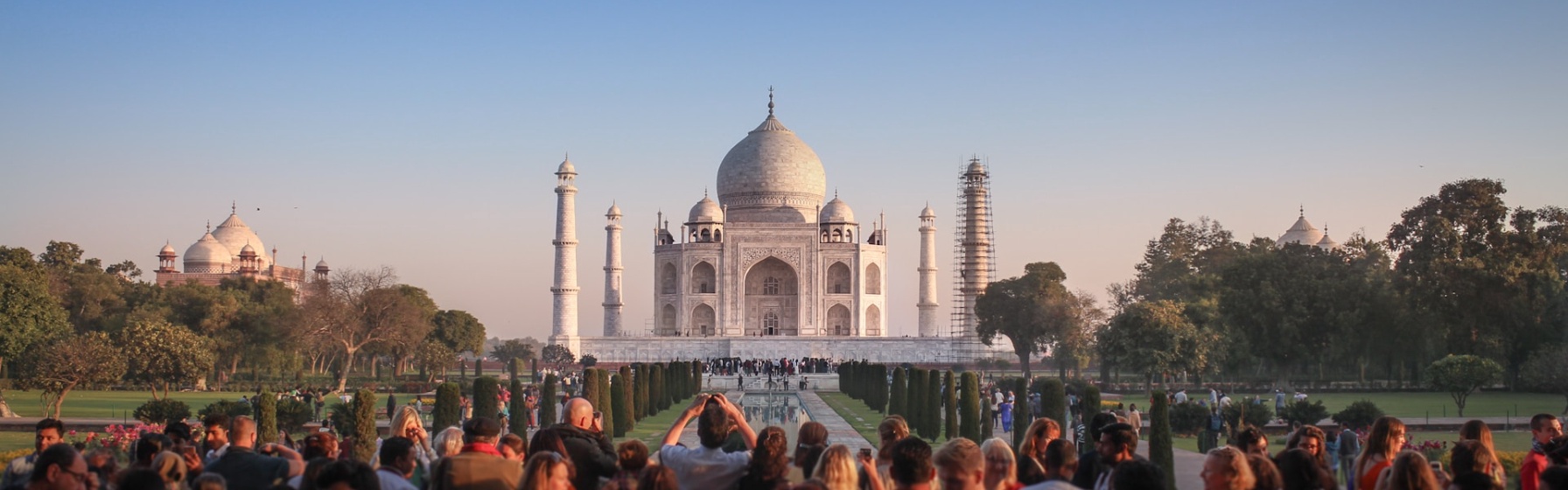
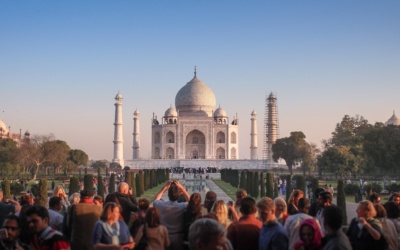
The Taj Mahal lives up to the hype. Seeing it at sunrise, when the white marble shifts through shades of pink and gold, is one of travel's genuinely transcendent moments. The Taj Mahal is open from 30 minutes before sunrise to 30 minutes before sunset and is closed to general visitors on Fridays.[1] But Agra offers more than just the Taj: the massive Agra Fort is equally impressive, and the abandoned Mughal city of Fatehpur Sikri lies a short drive away. Most travelers visit Agra as a day trip from Delhi or as part of the Golden Triangle route (Delhi-Agra-Jaipur), though spending a night allows you to see the Taj at both sunrise and sunset.
Rajasthan
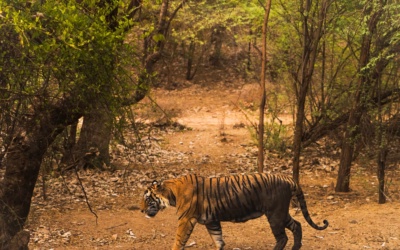
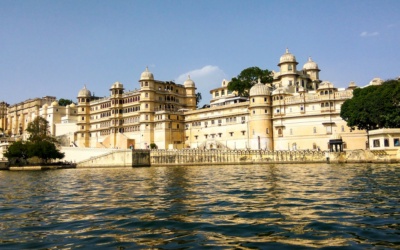
Rajasthan is India at its most cinematic. Jaipur, the Pink City, dazzles with the Amber Fort, Hawa Mahal, and vibrant bazaars. Jodhpur, the Blue City, clusters beneath the mighty Mehrangarh Fort. Udaipur, the White City, floats dreamily around its lakes and palaces. Jaisalmer rises from the Thar Desert like a sandcastle, its fort still inhabited by thousands of people. Beyond the cities, Rajasthan offers camel safaris, tiger reserves like Ranthambore, and the chance to stay in converted heritage palaces (havelis) at surprisingly reasonable prices.
Varanasi
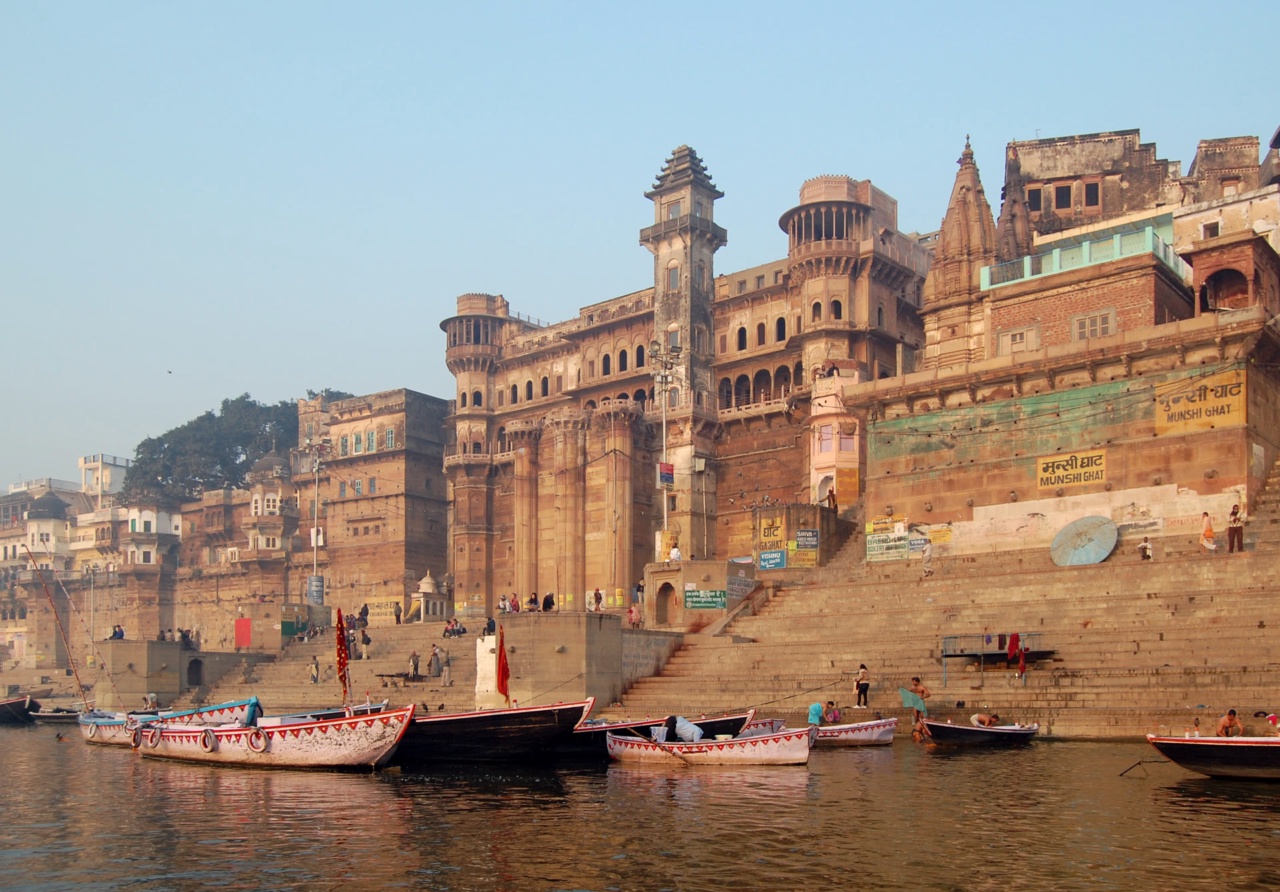
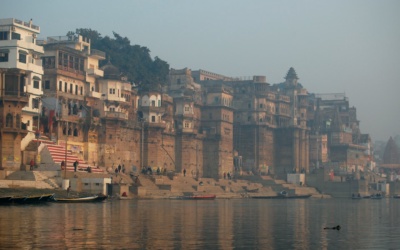
The holiest city in Hinduism sits on the banks of the Ganges and confronts visitors with the full cycle of life and death. Cremation pyres burn around the clock at Manikarnika Ghat, pilgrims bathe at dawn, and evening aarti ceremonies fill the riverfront with fire, chanting, and devotion. Varanasi is not comfortable or easy, but it is profoundly moving and unlike anywhere else. A sunrise boat ride along the ghats is essential.
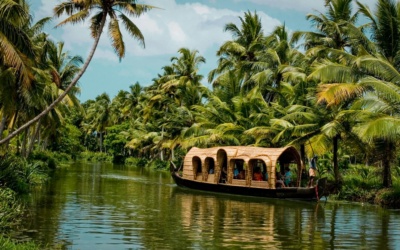
India's southwestern state offers a dramatically different pace. The backwaters of Alleppey (Alappuzha) are a network of canals, lagoons, and lakes best explored by houseboat. Kochi (Cochin) blends Portuguese, Dutch, and British colonial heritage with a thriving arts scene. The hill station of Munnar is carpeted with tea plantations, and the beaches of Varkala sit atop dramatic red cliffs. Kerala is widely regarded as one of the most comfortable states for first-time visitors.
Goa
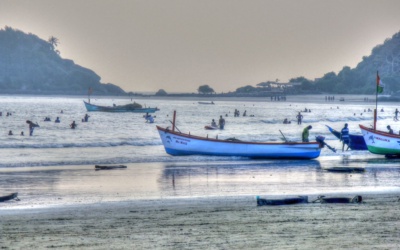
India's most famous beach destination has a distinct identity shaped by centuries of Portuguese rule. North Goa draws the party crowd with beaches like Anjuna and Baga, while South Goa offers quieter stretches like Palolem and Agonda. Beyond the beaches, Goa has beautiful baroque churches in Old Goa (a UNESCO World Heritage site),[2] spice plantations, and a unique cuisine blending Indian and Portuguese flavors. Goa works well as a decompression stop after the intensity of northern India.
Himachal Pradesh and Ladakh
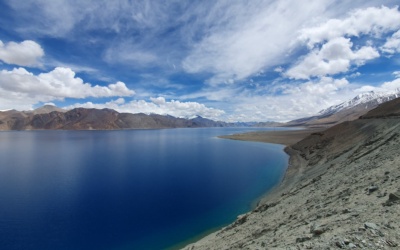
The northern mountain regions offer cool escapes and spectacular landscapes. Dharamshala and McLeod Ganj are home to the Dalai Lama and the Tibetan government-in-exile. Manali is a gateway to adventure sports and the epic road journey over high passes to Ladakh. Ladakh itself, centered on the town of Leh, feels like a different country entirely: a high-altitude desert dotted with Buddhist monasteries, turquoise lakes, and some of the most dramatic mountain scenery on the planet. The Pangong Lake and Nubra Valley are highlights.
Hampi
The ruins of the Vijayanagara Empire are scattered across a surreal landscape of giant boulders and banana plantations in Karnataka. Hampi is one of India's most atmospheric archaeological sites, with ornate temples, royal enclosures, and stone chariots spread across a vast area best explored by bicycle or moped. The laid-back traveler scene on the opposite side of the river adds to the appeal.
Darjeeling and Northeast India
Darjeeling, perched in the hills of West Bengal, offers tea plantation visits, the famous toy train (the UNESCO-listed Darjeeling Himalayan Railway),[3] and views of Kanchenjunga, the world's third-highest peak. The broader northeast region, including states like Meghalaya, Nagaland, and Sikkim, is India's least-visited frontier. Meghalaya has living root bridges and some of the wettest places on Earth. Sikkim offers pristine Himalayan trekking and Buddhist monasteries. These areas require more planning but reward with authenticity and minimal crowds.
Mumbai
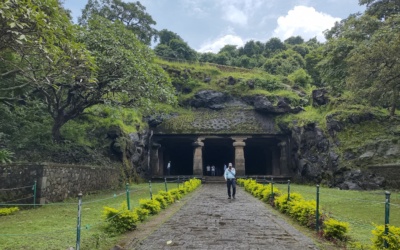
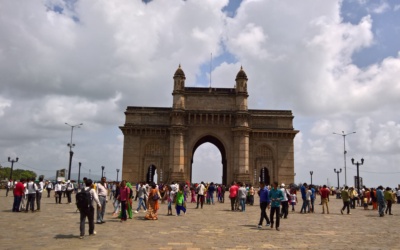
India's financial and entertainment capital is a city of extremes. The Gateway of India and the colonial grandeur of the Chhatrapati Shivaji Terminus stand alongside sprawling slums. Bollywood dreams coexist with crushing poverty. But Mumbai also has India's best nightlife, a phenomenal street food scene (vada pav, pav bhaji, bhel puri), and an infectious energy. The Elephanta Caves, reached by ferry, and the Dhobi Ghat open-air laundry offer iconic experiences.
Things to Do
Offers are only loaded from GetYourGuide after you click. GetYourGuide can then process your IP address and set cookies. Privacy Policy
GetYourGuide partner offers. GoAsia may earn a commission if you book through these offers. Check whether tickets or transfers are included, and follow the attraction's official booking and admission rules.
Getting Around
India is enormous, and getting around requires patience and planning. The good news is that the transportation network is extensive, and options exist for every budget.
Trains
Indian Railways operates one of the largest rail networks in the world, with about 69,400 km of route, and is the backbone of long-distance travel.[4] Trains range from basic unreserved carriages (an adventure in themselves) to comfortable air-conditioned sleeper classes. The key classes to know are: AC First (1A) for private cabins, AC 2-Tier (2A) for comfortable curtained berths, AC 3-Tier (3A) for affordable AC travel, and Sleeper (SL) for the budget-conscious. Booking through the IRCTC website or app is the usual way. Tickets open 60 days before the journey,[5] so popular routes can sell out weeks in advance, while foreign tourists can book up to 365 days ahead under the foreign tourist quota.[6] The Tatkal quota allows last-minute bookings at a premium from one day before the journey.[7] For scenic journeys, the Konkan Railway along the western coast and the Kalka-Shimla mountain railway (a UNESCO World Heritage line) are exceptional.[3]
Domestic Flights
Low-cost carriers, including IndiGo and Air India Express (the Tata Group's low-cost airline),[8] have made flying across India affordable. For long distances, flying often makes more sense than enduring a very long train journey: IndiGo lists about 2 hours 10 minutes for Delhi to Mumbai.[9] Book early for the best fares. Major hubs include Delhi, Mumbai, Bangalore, Hyderabad, and Kolkata.
Buses
State-run and private buses connect virtually every town in India. Government buses, run by state corporations such as KSRTC in Karnataka[10] and in Kerala,[11] range from basic to decent, while private operators offer sleeper and semi-sleeper coaches on popular routes. Overnight buses save on accommodation costs but vary wildly in comfort. For mountain regions where trains do not reach, buses are often the only option.
Auto-Rickshaws and Taxis
Three-wheeled auto-rickshaws are ubiquitous in Indian cities and towns. Always negotiate the fare before getting in, or insist on the meter (which drivers often claim is broken). Ride-hailing apps such as Uber operate in many Indian cities[12][13] and are generally the most hassle-free option for local transport. In smaller towns, shared autos and cycle-rickshaws are common.
Car with Driver
Hiring a car with a driver is surprisingly affordable in India and is the most comfortable way to cover regions like Rajasthan at your own pace. Driving yourself is not recommended for most visitors due to chaotic road conditions and unfamiliar driving customs. Prices depend on the vehicle and distance, so agree the total including tolls and driver allowance before you set off.
Best Time to Visit
India's climate varies enormously by region, so the best time depends entirely on where you plan to go.
Region
Best Season
Notes
North India (Delhi, Rajasthan, Agra)
October to March
Cool and dry. December-January can be cold, especially at night in Rajasthan. Summers (April-June) are brutally hot.
South India (Kerala, Tamil Nadu, Karnataka)
October to March
Post-monsoon weather is generally pleasant, though Tamil Nadu and the southeast coast also get rain from the northeast monsoon in late autumn.
Goa
November to February
Dry, sunny, and busy. Monsoon (June-September)[14] shuts down most beach activity but has its own moody charm.
Himalayas (Himachal, Ladakh, Uttarakhand)
May to October
High mountain passes usually open in early summer, and Ladakh is a summer destination. The monsoon affects the lower hills far more than Ladakh.
Northeast India
October to April
Monsoon season brings extreme rainfall, especially in Meghalaya.
The monsoon season (roughly June to September) brings heavy rains to most of the country.[14] While travel is still possible, expect disruptions, flooding in some areas, and lush green landscapes. Shoulder months (September-October, March-April) often offer a good balance of decent weather and fewer crowds.
Culture and Customs
India's cultural complexity can fill libraries, but a few key principles will help travelers navigate respectfully.
Religion and Spirituality
India is the birthplace of Hinduism, Buddhism, Jainism, and Sikhism, and also has significant Muslim and Christian populations. Religious life is woven into daily routines, and you will encounter temples, mosques, churches, and gurudwaras everywhere. Remove shoes before entering any place of worship. In Hindu temples and mosques, dress modestly, covering shoulders and knees. Some temples do not allow non-Hindus into inner sanctums. In Sikh gurudwaras, cover your head (scarves are usually provided) and expect to be offered langar, a free communal meal open to all.
Social Customs
Greet people with a namaste (palms together, slight bow) rather than a handshake, especially with women, unless they extend their hand first. The left hand is considered unclean in Indian culture; use your right hand for eating, giving, and receiving. Personal space is a different concept in India, particularly in crowds and on public transport. The head wobble, a distinctive side-to-side movement, generally means yes, agreement, or acknowledgment and is not a sign of confusion.
Dress Code
India is conservative in most areas. Women travelers should cover shoulders and knees outside of beach areas and tourist enclaves like Goa. Men should avoid going shirtless except at the beach. In rural areas and religious sites, more modest dress is appreciated. Loose, breathable clothing in natural fabrics is practical for the heat.
Photography
Always ask before photographing people, especially women, religious ceremonies, and cremation sites. Some temples and monuments charge a camera fee, and photography is restricted at military installations and some other sensitive sites, so follow posted signs.
Tipping
Tipping is appreciated but not always expected. In restaurants, a small tip is generous unless a service charge is already included. Tip porters, drivers, and guides according to service quality. Small tips for small services (carrying bags, helpful directions) are common and appreciated.
Food and Drink
Indian cuisine is one of the great culinary traditions of the world, and eating your way across the country is one of the primary joys of traveling here. The regional diversity is staggering; food in Kerala bears almost no resemblance to food in Punjab.
North Indian Cuisine
Rich, creamy curries define the north. Must-try dishes include butter chicken, dal makhani (black lentil stew), rogan josh (Kashmiri lamb curry), chole bhature (spiced chickpeas with fried bread), and tandoori meats cooked in clay ovens. Bread is the staple: naan, roti, paratha, and kulcha accompany most meals. Mughlai cuisine, with its biryanis and kebabs, is a highlight in Delhi, Lucknow, and Hyderabad.
South Indian Cuisine
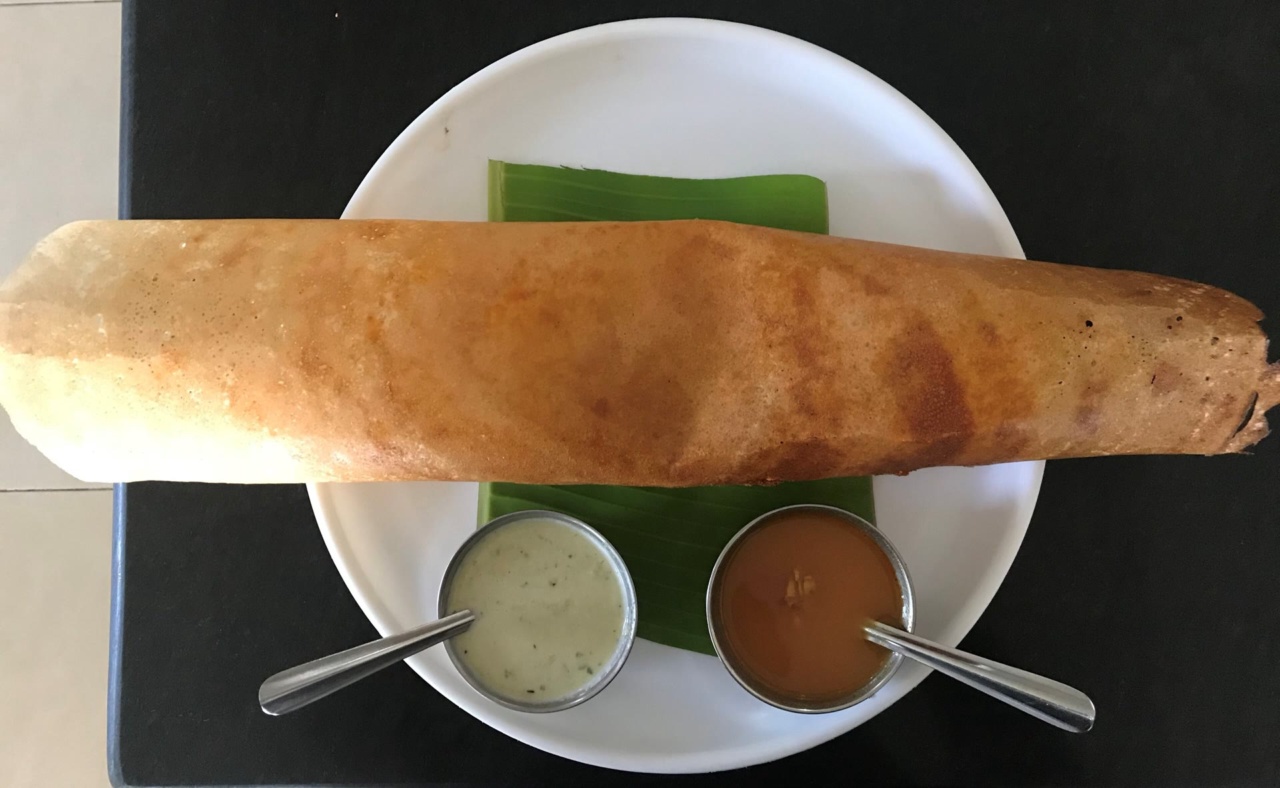
Lighter, tangier, and often coconut-based, South Indian food centers on rice. Dosas (crispy fermented crepes), idlis (steamed rice cakes), and uttapam (thick pancakes) with sambar and chutneys are breakfast staples found across the country but best in their homeland. Kerala offers fish curries in coconut milk, appam (lacy rice pancakes), and beef fry. Hyderabadi biryani, layered rice and meat slow-cooked in a sealed pot, is legendary.
India's street food culture is extraordinary. Delhi's chaat (savory snacks like golgappa, aloo tikki, and papdi chaat) is addictive. Mumbai's vada pav (a spiced potato fritter in a bun, essentially India's burger) costs pennies and satisfies enormously. Kolkata's kathi rolls (stuffed flatbread wraps) and Lucknow's kebabs are regional treasures. The general rule for street food safety: eat where locals eat, choose stalls with high turnover, and watch that food is cooked fresh in front of you.
Vegetarian Paradise
India is one of the easiest countries in the world for vegetarians. Many restaurants are entirely meat-free. Paneer (cottage cheese) is the protein star in countless dishes. Thalis, large platters with multiple small dishes, rice, bread, and dessert, offer the best way to sample a range of flavors in one meal and are exceptional value.
Drinks
Chai (milky spiced tea) is India's national drink, served in tiny cups at stalls on virtually every street corner. Lassi, a yogurt-based drink, comes sweet, salty, or blended with fruit; the mango lassi is a classic. Fresh lime soda (sweet, salty, or mixed) is the perfect heat-buster. Fresh coconut water is abundant in coastal areas. Alcohol is available in most states, but the rules vary by state and some states restrict or prohibit it, so check locally. Indian craft beer has improved dramatically in recent years.
Food Safety
The dreaded "Delhi belly" affects many travelers. Minimize risk by drinking only bottled or purified water (check that seals are intact), avoiding ice in drinks outside reputable establishments, eating freshly cooked hot food, and peeling fruits yourself. That said, do not let fear prevent you from eating street food, as some of the best meals in India come from roadside stalls. Build up gradually rather than diving into the spiciest options on day one.
Visa and Entry Requirements
Most foreign nationals require a visa to enter India. The government's e-Visa system covers citizens of eligible countries and is available for tourism, business, medical and several other purposes.[15] You apply online, upload a photo and a passport page, pay the fee online and receive an Electronic Travel Authorization by email, which you print and show at the immigration check post.[15] Apply at least 4 days before arrival and no more than 120 days ahead.[16]
The e-Tourist visa comes as a 30-day multiple-entry visa that cannot be extended, a one-year visa or a five-year visa; on the one-year and five-year visas, the stay in a calendar year must not exceed 180 days.[15] Whether you can use the e-Visa depends on your nationality, so check the eligibility list on the official site; otherwise apply for a regular visa through an Indian embassy or consulate.
Foreigners can also complete the e-Arrival card online within 72 hours before arriving in India, at boi.gov.in, at indianvisaonline.gov.in or via the official Indian Visa Su-Swagatam app; it provides arrival information and is not a visa.[15] Check the official Indian government e-Visa website for the most current requirements specific to your nationality, as rules change periodically.
Safety and Health
General Safety
India is generally safe for travelers, but it demands more awareness than many destinations. Petty theft and scams are the most common issues. Violent crime against tourists is rare but not unheard of. Women traveling alone should exercise heightened caution, particularly at night and in less-touristed areas. Travel in groups after dark, use reputable transport, and trust your instincts. That said, millions of solo female travelers visit India safely every year.
Common Scams
Be aware of these frequent scams: taxi and rickshaw drivers claiming your hotel is closed or full and taking you to a commission-paying alternative; gem and carpet shop scams promising export profits; overly friendly strangers offering to be your guide (then demanding payment); and fake tourist offices near train stations, especially in Delhi. Book trains and tours through official channels only.
Health Precautions
Consult a travel health professional before visiting India. Routine boosters should be up to date. The CDC recommends hepatitis A and typhoid vaccination for most travelers and prescription malaria prevention for travelers to risk areas; malaria transmission occurs throughout the country, including Mumbai and New Delhi, but not above 2,000 m.[17] Rabid dogs are commonly found in India, so ask about rabies vaccination.[17] Dengue fever, transmitted by daytime-biting mosquitoes, is a risk in many areas; use insect repellent liberally. Drink only bottled or purified water. Carry oral rehydration salts and basic medications for stomach issues. Air quality in Delhi and other major cities can be poor, especially in winter months; those with respiratory conditions should carry appropriate medication.
Traffic Safety
Road safety is a real concern in India. Traffic rules are loosely followed, and pedestrians, animals, and vehicles share space chaotically. Exercise extreme caution when crossing roads. If renting a motorbike or scooter (common in Goa and Hampi), wear a helmet, drive defensively, and ensure you have adequate insurance.
Budget Tips
India remains an affordable destination for many visitors, though costs have risen in popular tourist areas. Your daily budget can vary enormously depending on your comfort level.
Budget Ranges
Category
What to Expect
Budget
Dormitory hostels or basic guesthouses, street food and local restaurants, trains in sleeper class, public buses
Mid-Range
Clean private hotel rooms with AC, mix of local and tourist restaurants, AC train classes, occasional taxi rides
Comfort
Boutique hotels and heritage properties, fine dining, domestic flights, car with driver
Eat where locals eat. A filling thali at a local restaurant costs far less than the same meal at a tourist-oriented restaurant. Train travel is cheap by international standards, even in AC classes. Government-run hotels and tourist bungalows (run by state tourism corporations) offer clean, no-frills accommodation at fair prices. Negotiate prices at markets but not at fixed-price shops. Buying a local SIM card with a data plan is cheap and saves on navigation and booking costs.
Money Matters
The Indian Rupee (INR) is the currency. ATMs are widely available in cities and towns, though they occasionally run out of cash in rural areas. Carry some cash as backup, especially outside major cities. Credit cards are accepted at upscale hotels, restaurants, and shops, but India is still largely a cash economy for smaller transactions. UPI-based digital payments (Google Pay, PhonePe, Paytm) are ubiquitous among locals. Notify your bank before traveling to avoid card blocks.
Bargaining
Bargaining is expected at markets, with auto-rickshaw drivers, and for many services. A reasonable approach is to start well below the asking price and negotiate from there. Do not bargain aggressively for tiny amounts; the difference might mean little to you but matters to the seller. Fixed-price shops (often marked as such) do not require bargaining. In tourist areas, expect to pay a "tourist premium" on many things; accepting a small markup gracefully is part of the experience.
Accommodation Tips
India has accommodation for every budget. Hostels with dorms have proliferated in recent years, with hostel chains offering clean, social options. Mid-range hotels offer excellent value compared to Western standards. For a unique experience, Rajasthan's heritage hotels allow you to sleep in converted palaces and forts, sometimes for surprisingly modest rates. Homestays, available through platforms and local tourism boards, provide authentic cultural immersion. Always check recent reviews, as quality can be inconsistent.
Ultimately, India is a destination that transforms travelers. It will challenge your assumptions, overwhelm your senses, and expand your understanding of what human civilization can look like. Come with an open mind, a flexible itinerary, and a willingness to be surprised, and India will give you stories and memories that last a lifetime.
Sources and background
Numbers in the text such as [1] refer to these sources.