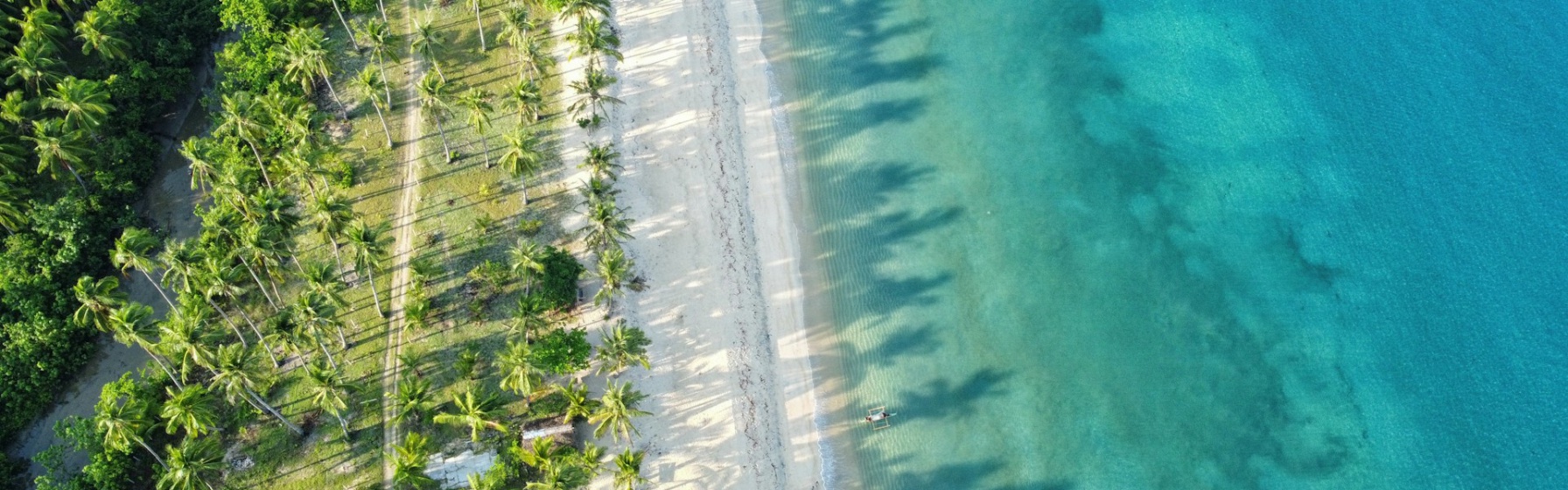
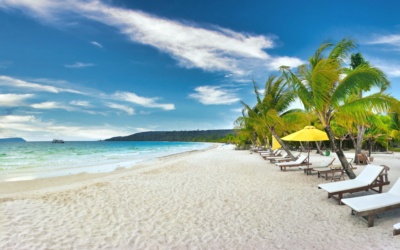
The Philippines is a sprawling archipelago of over 7,600 islands offering pristine beaches, world-class diving, lush rice terraces, and vibrant cities.
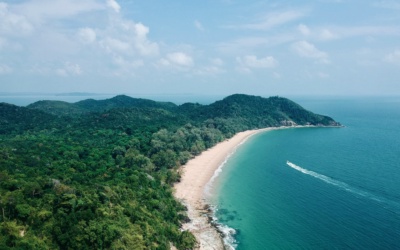
Scattered across the western Pacific Ocean, the Philippines is a country that defies easy summary. With over 7,600 islands grouped into three major regions - Luzon, Visayas, and Mindanao - the sheer geographic diversity is staggering. Turquoise lagoons hide behind towering limestone karsts, ancient rice terraces cascade down mountainsides, and volcanoes rise dramatically from flat plains. The underwater world is equally spectacular, with coral reefs so rich in biodiversity that the country sits at the very heart of the Coral Triangle.
What truly sets the Philippines apart, though, is its people. Filipinos are renowned for their warmth, humor, and genuine hospitality. English is widely spoken, making the Philippines one of the most accessible countries in Southeast Asia for travelers. The cultural fabric is a fascinating weave of indigenous traditions, centuries of Spanish colonial influence, and American pop culture, creating a character unlike anywhere else in the region. From the chaotic energy of Manila to the serene beauty of a remote island with nothing but a hammock and a coconut, the Philippines rewards those who explore it with patience and curiosity.
Travel here does require flexibility. Infrastructure varies wildly between developed urban centers and far-flung provinces, and weather patterns can disrupt plans. But the payoff for embracing the adventure is enormous: secret beaches, encounters with whale sharks, fiestas bursting with color, and meals of freshly grilled seafood eaten with your hands on a bamboo platform over the water.
Top Destinations
Manila and Metro Manila
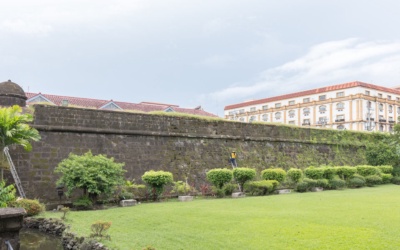
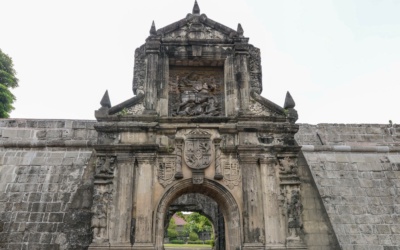
The capital region is chaotic, sprawling, and often overwhelming, but it rewards those who dig beneath the surface. Intramuros, the old walled city, preserves Spanish colonial history with Fort Santiago and San Agustin Church. The neighborhoods of Makati and Bonifacio Global City (BGC) offer world-class dining, rooftop bars, and contemporary art galleries. The National Museum complex houses impressive collections of Filipino art, natural history, and anthropology. Manila is also the gateway to the rest of the country, with most international flights arriving here.
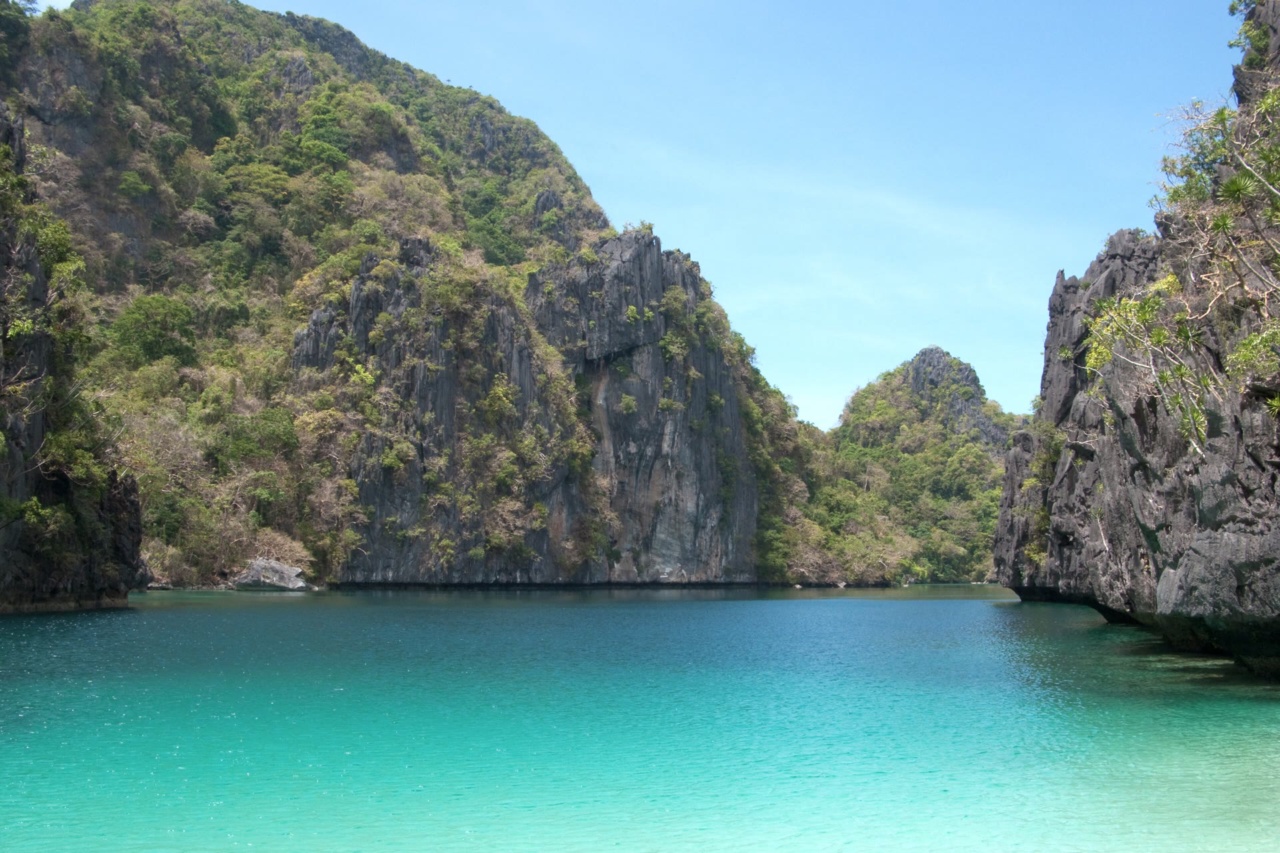
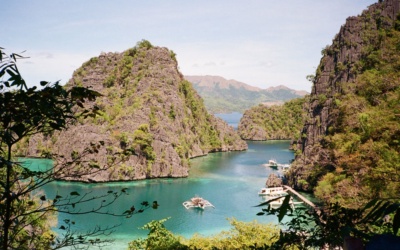
Consistently ranked among the world's best islands, Palawan is the crown jewel of Philippine tourism. El Nido captivates visitors with its dramatic limestone cliffs, hidden lagoons, and island-hopping tours through the Bacuit Archipelago. Coron offers exceptional wreck diving among sunken Japanese warships and crystal-clear freshwater lakes like Kayangan Lake. Puerto Princesa serves as the provincial capital and is the jumping-off point for the Puerto-Princesa Subterranean River National Park, a UNESCO World Heritage Site.[1] For those seeking true remoteness, the far northern tip around Linapacan hides some of the clearest water on the planet.
Cebu and the Visayas
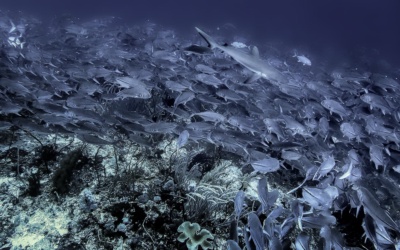
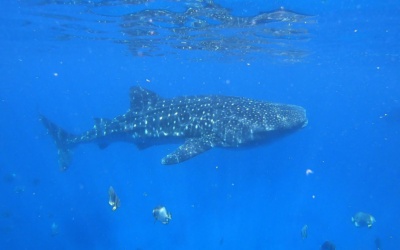
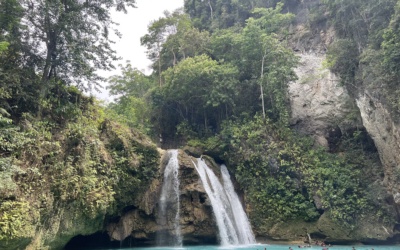
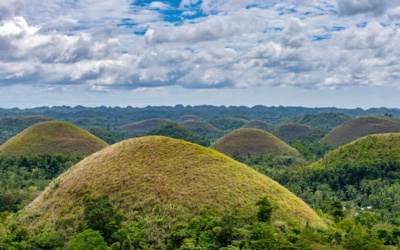
Cebu is the historic heart of the Philippines, where Magellan first landed and Christianity took root. Cebu City blends colonial heritage with modern urban life, while the island's southern tip at Oslob and Moalboal draws travelers for whale shark encounters and sardine runs. Nearby Bohol enchants with the otherworldly Chocolate Hills, tiny tarsier primates, and the Panglao Island beaches. Siquijor, a small island steeped in mysticism, offers a laid-back atmosphere with waterfalls and healing traditions. Malapascua, north of Cebu, is one of the few places in the world where you can reliably dive with thresher sharks.
Siargao
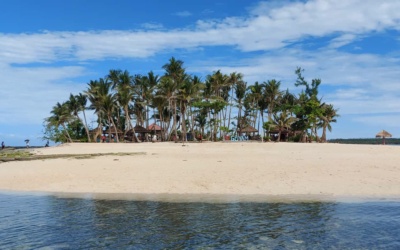
This teardrop-shaped island in the eastern Visayas has evolved from a surfers-only secret into one of the Philippines' hottest destinations. Cloud 9 is a world-famous surf break, but Siargao offers much more: island-hopping to the pristine sandbar of Naked Island, Daku Island, and Guyam Island; exploring the Sugba Lagoon; and simply soaking in the relaxed, bohemian vibe. The island has a growing food and nightlife scene while still retaining its raw, uncommercial charm.
Banaue and the Cordillera Region
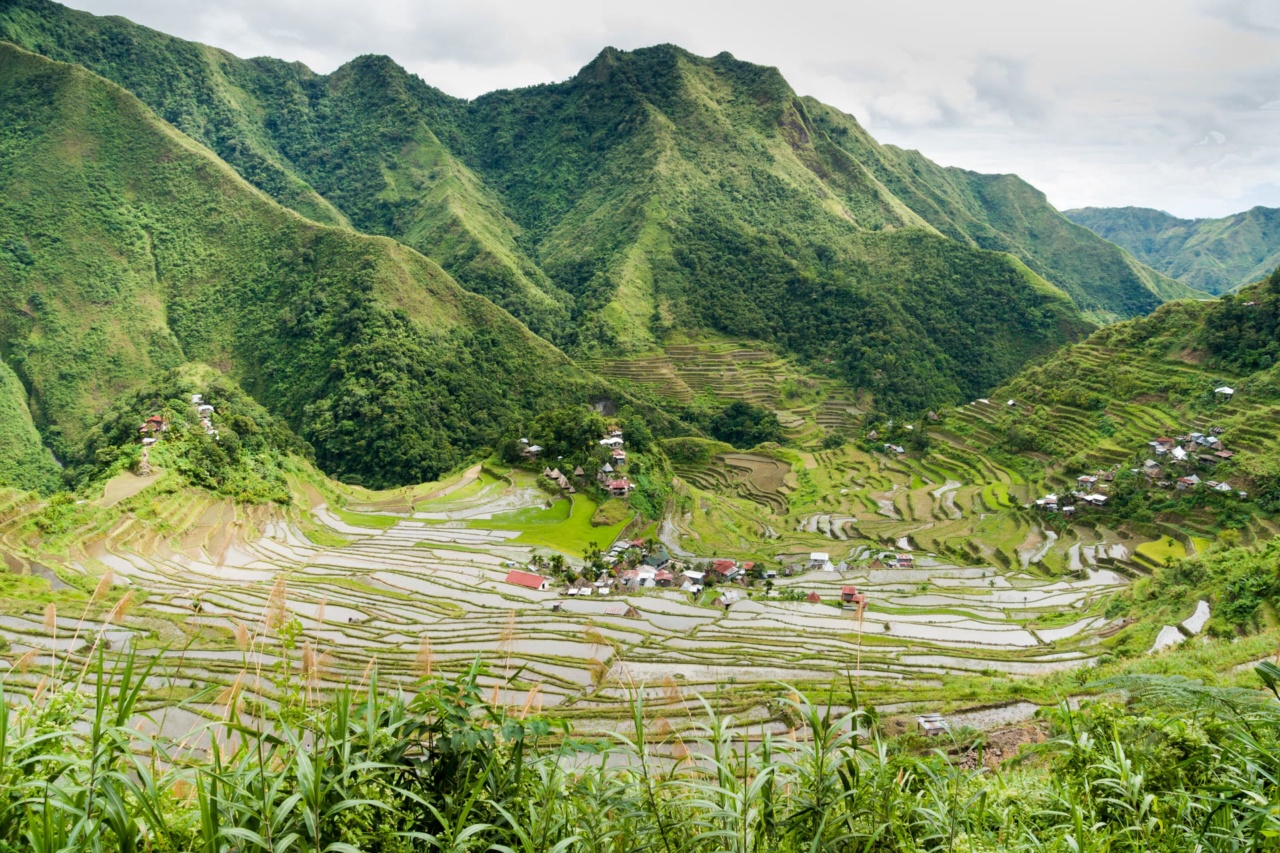
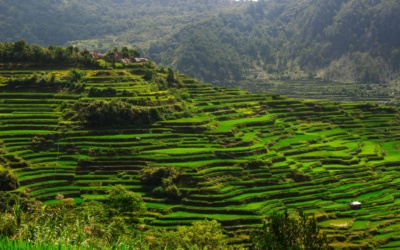
In the mountainous interior of northern Luzon, the Ifugao rice terraces, part of the UNESCO-listed Rice Terraces of the Philippine Cordilleras, are a testament to indigenous engineering genius.[1] Banaue offers the most accessible viewpoints, but the village of Batad, reached by a hike down into an amphitheater-shaped valley, is the more spectacular experience. Sagada, further north, is beloved for its hanging coffins, limestone caves, and cool mountain air. The entire Cordillera region provides a stark contrast to the beach-focused tourism elsewhere in the country.
Boracay
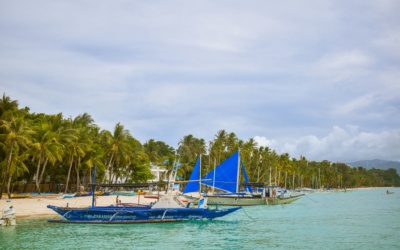
Famous for its powdery White Beach, Boracay is the Philippines' most developed resort island. After a temporary closure for environmental rehabilitation, the island has bounced back with cleaner waters and better-managed tourism. It remains the go-to destination for travelers seeking a lively beach scene with easy access to water sports, nightlife, and a wide range of accommodations from budget hostels to luxury resorts. Bulabog Beach on the eastern side is a hub for kitesurfing and windsurfing.
Batanes
At the northernmost tip of the Philippines, closer to Taiwan than to Manila, Batanes feels like a different country entirely. Rolling green hills, stone houses built to withstand typhoons, dramatic cliffs plunging into the ocean, and a tiny population of Ivatan people create an atmosphere of rugged, windswept beauty. Most visitors arrive by plane, and the limited tourist infrastructure keeps visitor numbers low, preserving its pristine character.
Things to Do
Offers are only loaded from GetYourGuide after you click. GetYourGuide can then process your IP address and set cookies. Privacy Policy
GetYourGuide partner offers. GoAsia may earn a commission if you book through these offers. Check whether tickets or transfers are included, and follow the attraction's official booking and admission rules.
Getting Around
Domestic travel in the Philippines requires patience and planning, as the archipelagic geography means that reaching many destinations involves multiple modes of transport.
Flights: Domestic air travel is the most efficient way to cover long distances. Cebu Pacific and Philippine Airlines operate extensive domestic networks.[2][3] Booking in advance online can yield very affordable fares. Key hubs include Manila (NAIA), Cebu-Mactan, and Clark.[2] Be aware that flight delays and cancellations are not uncommon, especially during typhoon season.
Ferries and boats: Inter-island ferries range from large vessels operated by companies like 2GO Travel to smaller regional boats called bangkas (outrigger canoes).[4] For major routes between Luzon, Visayas, and Mindanao, larger ferries offer overnight journeys with cabin options.[5] For shorter hops between nearby islands, bangkas are the standard. Always check weather conditions before boat travel, particularly during the monsoon months.
Buses: Long-distance buses connect cities across Luzon and within larger islands like Mindanao. Companies like Ceres Liner run air-conditioned coaches on major routes.[6] Night buses are popular for longer journeys. In more rural areas, expect less comfortable options.
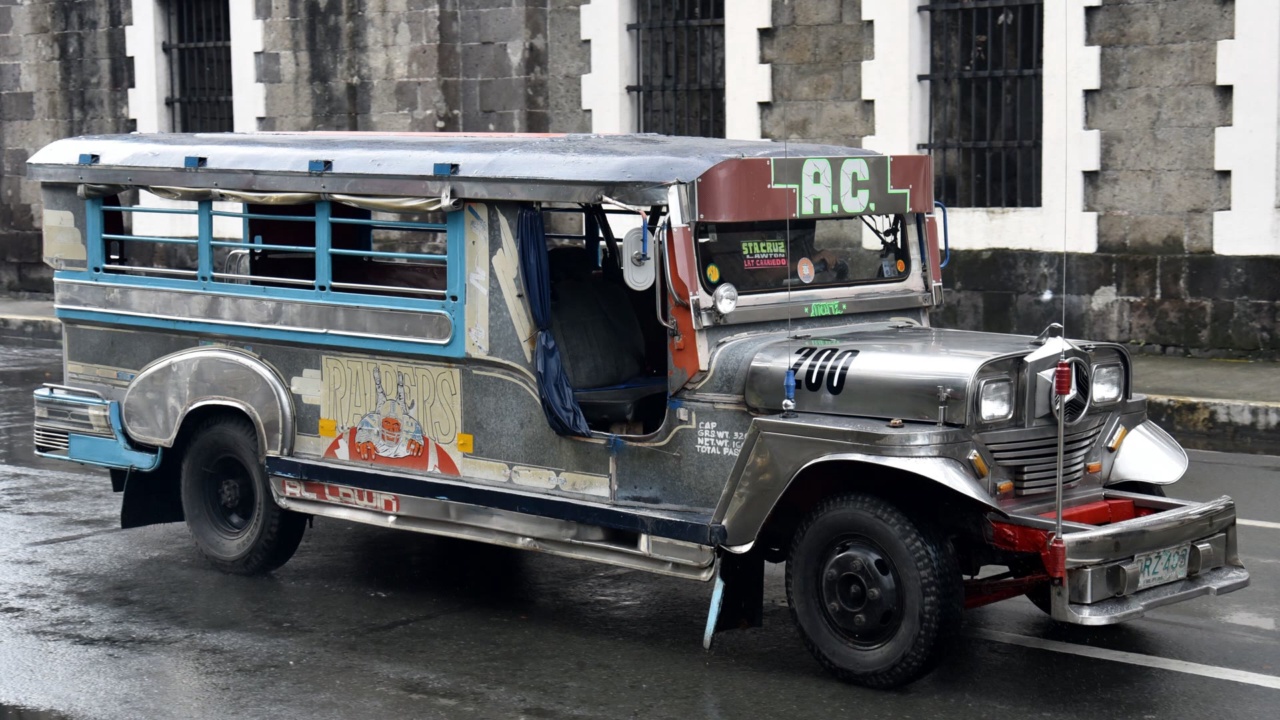
Jeepneys and tricycles: The iconic jeepney, a colorful extended jeep originally fashioned from surplus military vehicles, is the backbone of local public transport. Routes are painted on the side, and fares are extremely cheap. Tricycles, which are motorcycles with attached passenger sidecars, serve as short-distance taxis in towns and cities. Negotiate the fare before getting in, or ask a local what the standard rate should be.
Ride-hailing apps: Grab is widely used in Manila, Cebu, and other major cities for cars and motorcycles. It is generally more convenient and transparent than negotiating with traditional taxis, though surge pricing applies during peak hours.
Motorbike rentals: On islands like Siargao, Bohol, and Siquijor, renting a motorbike is the best way to explore independently. Rates are typically affordable, but ensure you have proper insurance and an international driving permit. Road conditions vary significantly.
Best Time to Visit
The Philippines has a tropical maritime climate with two major seasons, a dry season and a rainy season, and conditions vary by region.[7]
Dry season (December to May): This is the most popular time to visit. The months of December through February are the coolest and most comfortable, with lower humidity. March through May is the hot dry season, and it is especially hot in urban areas. This period is locally called "summer" and coincides with school holidays, so domestic tourist spots can be crowded.
Wet season (June to November): The southwest monsoon (habagat) brings heavy rainfall, particularly to the western side of the archipelago. Typhoons are most frequent between July and October.[8] However, rain often comes in intense afternoon bursts rather than all-day downpours, and many travelers still enjoy this period with fewer crowds and lower prices.
Regional variations matter: The eastern seaboard, including Siargao and parts of Samar and Leyte, receives rain from the northeast monsoon (amihan) in the cooler months, meaning the traditional "dry season" is actually wet there. Palawan and the western Visayas tend to have the most predictable dry weather in the dry season. Mindanao's southern regions are less affected by typhoons and have more even rainfall throughout the year.
For the best overall experience, aim for late January through April for most destinations.
Culture and Customs
Filipino culture is a unique blend of Malay, Spanish, American, and Chinese influences, resulting in a society that feels simultaneously familiar and distinctly its own.
Hospitality: Filipinos are exceptionally welcoming. Do not be surprised if strangers invite you to share a meal or go out of their way to help you find your destination. Accepting small gestures of hospitality with gratitude is appreciated. The concept of "pakikisama" (getting along with others) is deeply valued.
Religion: The Philippines is one of the predominantly Catholic countries of Asia, and faith plays a central role in daily life. Churches are important cultural landmarks, and religious festivals (fiestas) are celebrated with great enthusiasm throughout the year. The Sinulog festival in Cebu, Ati-Atihan in Kalibo, and the Black Nazarene procession in Manila are among the most spectacular. In Mindanao, particularly in the Bangsamoro region, Islam is the predominant faith, and visitors should be respectful of local customs there.
Respect and social norms: Filipinos use "po" and "opo" as terms of respect when speaking to elders. The "mano" gesture, where a younger person presses an elder's hand to their forehead, is a traditional sign of respect. Pointing with fingers is considered rude; Filipinos often gesture with their lips instead. Public displays of anger or confrontation are deeply frowned upon. The concept of "hiya" (shame or face) is important, so avoid putting anyone in an embarrassing situation.
Dress codes: The Philippines is relatively relaxed about dress, but modesty is appreciated when visiting churches and rural communities. Swimwear should be reserved for the beach. In Muslim areas of Mindanao, conservative dress is advisable.
Tipping: Tipping is appreciated but not always expected. In restaurants, a service charge is often included in the bill. If not, leaving 10% is generous. Small tips for hotel staff, tour guides, and boatmen are welcomed and make a real difference given local wages.
Fiestas: Nearly every town has an annual fiesta honoring its patron saint, featuring parades, beauty pageants, street dancing, and enormous communal feasts. If you happen upon a fiesta, locals will almost certainly invite you to join the celebration and eat.
Food and Drink
Filipino cuisine is hearty, flavorful, and deeply communal. Meals are typically eaten family-style, with multiple dishes shared around the table alongside generous portions of rice.
Must-try dishes:
Adobo: The unofficial national dish, featuring meat (usually chicken or pork) braised in vinegar, soy sauce, garlic, and black pepper. Every family and region has its own version.
Sinigang: A sour soup made with tamarind (or other souring agents) with pork, shrimp, or fish and an abundance of vegetables. Comforting and tangy.
Lechon: Whole roasted pig with impossibly crispy skin, considered the centerpiece of any celebration. Cebu is famous for having the best lechon in the country.
Kare-kare: A rich peanut-based stew with oxtail, tripe, and vegetables, served with fermented shrimp paste (bagoong).
Sisig: Originating from Pampanga, this sizzling dish of chopped pig face and ears seasoned with chili, calamansi, and onions is the ultimate bar food.
Lumpia: Filipino spring rolls, either fresh (lumpiang sariwa) or fried (lumpiang shanghai).
Halo-halo: A beloved dessert of shaved ice layered with sweetened beans, jellies, fruit, leche flan, ube ice cream, and evaporated milk. Essential for beating the tropical heat.
Balut: A fertilized duck egg with a partially developed embryo, eaten as a street food snack. It is an adventurous eat, but locals consider it a delicacy and energy booster.
Street food: Street food culture thrives throughout the country. Look for barbecue stalls grilling skewers of pork, chicken intestines (isaw), and chicken skin. Fish balls and kwek-kwek (deep-fried quail eggs in orange batter) are ubiquitous and extremely cheap. Night markets in cities like Cebu and Manila offer a wide variety of options.
Seafood: Being an archipelago, the Philippines excels at seafood. Palawan and the Visayas are particularly rewarding, where you can choose fresh fish at a market and have it grilled or cooked to order for a modest fee. Kinilaw, the Filipino version of ceviche, is raw fish cured in vinegar and calamansi with chili and ginger.
Drinks: San Miguel Beer is the ubiquitous local lager, available everywhere for very little money. Philippine rum, particularly Tanduay, is popular and affordable. Fresh buko (young coconut) juice is the ultimate refreshment. Coffee culture is growing, with excellent local beans from regions like Benguet and Batangas.
Dining customs: Kamayan-style eating, where food is served on banana leaves and eaten with the hands, is a quintessential Filipino experience. Many restaurants now offer this as a communal dining option. Filipinos eat frequently, often having five or six small meals and snacks (merienda) throughout the day.
Food safety: Tap water is not safe to drink; stick to bottled or purified water. Street food is generally safe if it is freshly cooked and served hot. Use common sense and eat where locals are eating in large numbers.
Visa and Entry Requirements
The Philippines is relatively welcoming to international visitors, with generous visa policies for many nationalities.
Visa-free entry: Citizens of many countries can enter the Philippines visa-free for an initial stay of 30 days.[9] A passport valid for at least six months beyond the date of arrival is required for most nationalities,[10] and airlines or immigration officers may ask for proof of onward travel (a return or onward flight ticket).
Visa extensions: Tourists who do not need a visa can ask the Bureau of Immigration for an initial extension of 29 days, which takes the stay to 59 days, and for longer extensions after that. The maximum allowable stay is 36 months for nationals who do not need a visa, with fees and paperwork at each renewal.[9]
E-visa and visa on arrival: Some nationalities that do not qualify for visa-free entry may apply for an e-visa or obtain a visa from a Philippine embassy or consulate before travel. Check the latest requirements from the Philippine Bureau of Immigration or your nearest embassy, as rules vary by nationality and can change.
Other requirements: Travelers may be asked to show proof of sufficient funds and accommodation bookings upon arrival, though this is inconsistently enforced. Travel insurance is recommended but not always mandatory.
eTravel registration: Arriving Filipino and foreign passengers and crewmembers, as well as departing Filipino passengers, must register or update their details in the official eTravel system, subject to the exemptions listed by the authorities. Registration is free and can be completed within 72 hours before arrival or departure.[11] eTravel supports border control and health surveillance; it is not a visa and does not replace nationality-specific entry permission.
Safety and Health
General safety: The Philippines is generally safe for tourists, and violent crime against travelers is rare. Filipinos are protective of visitors, and you will often find people going out of their way to ensure your safety. However, petty crime such as pickpocketing and bag snatching occurs in crowded urban areas, particularly in Manila. Exercise standard precautions: keep valuables secure, avoid flashing expensive electronics, and be cautious in unfamiliar areas at night.
Areas to avoid: Parts of Mindanao and the Sulu Archipelago have experienced armed conflict and kidnapping risks. The UK FCDO advises against all travel to western and central Mindanao and the Sulu archipelago, and against all but essential travel to the rest of Mindanao, except for Camiguin, Dinagat and Siargao islands.[12] Advice differs between governments, so check your own government's current travel advice before you go.
Natural hazards: The Philippines sits on the Pacific Ring of Fire and is one of the most disaster-prone countries in the world. Typhoons, earthquakes, volcanic eruptions, and flooding are real risks. Monitor weather forecasts, especially during the peak typhoon months from July to October.[8] Follow local authorities' instructions during natural events. The Taal and Mayon volcanoes are popular tourist attractions but can have activity restrictions.
Health precautions: Consult a travel health professional before your trip about vaccinations and routine immunizations. Dengue fever is spread by mosquito bites, so use insect repellent and wear long sleeves.[13] The US CDC lists malaria transmission in Palawan province and the Mindanao island group, and none in metropolitan Manila or other urban areas.[13]
Water safety: Drink only bottled or purified water. Ice in restaurants and hotels in tourist areas is usually made from purified water, but exercise caution in very rural settings.
Scams: Common scams include taxi drivers refusing to use the meter in Manila (use Grab instead), inflated prices for boat tours (research standard rates beforehand), and occasional overcharging at markets. A friendly but firm approach usually resolves these situations. The "helpful stranger" scam, where someone offers unsolicited assistance and then demands payment, occurs occasionally in tourist areas.
Medical facilities: Major cities like Manila and Cebu have good private hospitals. In remote areas, medical facilities are basic. Comprehensive travel insurance with medical evacuation coverage is strongly recommended.
Budget Tips
The Philippines can be an affordable country to travel in, though costs vary significantly depending on your travel style and destination.
Budget travelers: Staying in hostels or basic guesthouses, eating at local eateries (carinderias) and street food stalls, using public transport (jeepneys and buses), and limiting island-hopping tours. Outside the most touristy islands, this is a very affordable way to travel.
Mid-range travelers: Private rooms in decent hotels or boutique guesthouses, a mix of local and tourist restaurants, organized tours, and occasional domestic flights. This range allows for a very comfortable experience with air-conditioned accommodation and the ability to join popular activities like island-hopping tours and diving.
Luxury travelers: Upscale resorts, private island-hopping tours, fine dining, and premium domestic flights. Palawan and Boracay have world-class luxury resorts.
Where to save money:
Eat local: The price difference between a local carinderia and a tourist restaurant is large.
Book domestic flights early: Airlines like Cebu Pacific offer promotional fares if booked well in advance.
Negotiate boat tours: Rather than booking through hotels or tour agencies, negotiate directly with boatmen at the port for island-hopping tours. Sharing costs with other travelers reduces per-person expenses significantly.
Travel in the wet season: Accommodation prices drop noticeably during the low season, and you will have popular spots more to yourself.
Use local transport: Jeepneys and tricycles are very cheap for short distances.
Currency and payments: The Philippine Peso (PHP) is the local currency. ATMs are widely available in cities and tourist areas, though they often have low withdrawal limits and charge per-transaction fees. Bring a debit card that reimburses foreign ATM fees if possible. Credit cards are accepted in hotels, malls, and upscale restaurants, but cash is king in most situations, especially in rural areas and small businesses. It is wise to carry enough cash when heading to remote islands, as ATMs may be unreliable or nonexistent.
SIM cards and data: Purchasing a local SIM card from Globe or Smart upon arrival is cheap and easy. Data packages are very affordable, and having mobile data is invaluable for navigation, booking transport, and staying connected. SIM cards are available at airports, convenience stores, and small shops everywhere.
Sources and background
Numbers in the text such as [1] refer to these sources.