

🇨🇳 China
China is a vast land of dramatic contrasts, where ancient dynastic history meets the cutting edge of modern technology. From the Great Wall to the neon skylines of Shanghai, it offers an unparalleled journey through diverse landscapes and deep cultural heritage.
China is a destination of immense scale and complexity, offering a travel experience that spans thousands of years of civilization. It is a place where high speed rail networks zip past rural rice terraces and where traditional tea houses sit in the shadows of some of the world's tallest skyscrapers. For the traveler, China represents a challenge and a reward, providing a sensory feast of flavors, sights, and sounds that are found nowhere else on earth.
The country is geographically diverse, ranging from the subarctic forests of the north to the tropical beaches of the south, and from the coastal metropolises of the east to the high altitude plateaus of the west. This diversity means that no two trips to China are ever the same. One day you might be exploring the forbidden corridors of an imperial palace, and the next, you could be hiking through a karst mountain landscape that looks like a traditional ink wash painting come to life.
Beyond the famous landmarks, the true essence of China lies in its daily life. It is found in the morning tai chi sessions in public parks, the bustling night markets filled with the aroma of spices, and the rhythmic clack of mahjong tiles in narrow alleyways. Navigating this vast nation requires patience and an open mind, but those who venture here are met with incredible hospitality and a deeper understanding of one of the world's most influential cultures.
Top Destinations
Beijing: The Imperial Heart
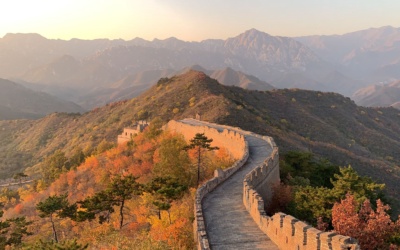
As the capital city, Beijing serves as the political and cultural soul of China. It is home to some of the most iconic structures in human history. The Forbidden City, a massive palace complex that served as the home of emperors for centuries, sits at the center of the city. Just north of the urban center lies the Great Wall of China. While many visitors head to the restored sections like Badaling, the more rugged sections like Mutianyu or Jinshanling offer a more atmospheric experience with fewer crowds. Beijing is also famous for its hutongs, narrow traditional alleys where you can still glimpse the lifestyle of old Beijing.
Shanghai: The Future of China
Shanghai represents the modern face of the country. The Bund, a waterfront promenade, showcases colonial era architecture on one side of the Huangpu River, while the Lujiazui skyline on the other side features futuristic towers like the Shanghai Tower. Shanghai is a hub for fashion, dining, and nightlife. For a change of pace, the nearby water towns like Zhujiajiao offer a glimpse into the region's history with their stone bridges and winding canals.
Xi'an: The Ancient Gateway
Once the starting point of the Silk Road, Xi'an is most famous for the Terracotta Army. Thousands of life sized clay soldiers stand in pits, guarding the tomb of the first emperor. The city itself is enclosed by a massive, walkable Ming Dynasty city wall. The Muslim Quarter is a highlight for food lovers, offering a unique fusion of Chinese and Middle Eastern flavors in a vibrant market setting.
Chengdu: Pandas and Spice
Chengdu is the capital of Sichuan province and is best known for the Research Base of Giant Panda Breeding. It is one of the few places where visitors can see these animals in a setting that mimics their natural habitat. Chengdu is also a UNESCO City of Gastronomy, famous for its spicy Sichuan peppercorns and a relaxed tea house culture that stands in contrast to the frantic pace of other Chinese megacities.
Guilin and Yangshuo: Karst Landscapes
The scenery along the Li River is legendary. Towering limestone karsts rise abruptly from the riverbanks, creating a landscape that has inspired artists for generations. Most travelers take a cruise from Guilin to Yangshuo, where they can then rent bicycles or scooters to explore the rural countryside, rice paddies, and hidden caves of the Guangxi region.
Yunnan Province: Ethnic Diversity
Located in the southwest, Yunnan is home to many of China's ethnic minority groups. The old towns of Lijiang and Dali are famous for their cobblestone streets and traditional architecture. Further north, Shangri-La offers a taste of Tibetan culture and high altitude scenery, including the stunning Tiger Leaping Gorge, one of the deepest canyons in the world.
Things to Do
Getting Around
China possesses one of the most advanced transportation infrastructures in the world, making it surprisingly easy to cover vast distances. The High Speed Rail (HSR) network is the crown jewel of Chinese transit. These trains are punctual, clean, and reach speeds of up to 350 kilometers per hour. They connect almost all major cities, often proving more convenient than flying when considering airport transfer times.
For longer distances, such as traveling from Beijing to the far west or deep south, domestic flights are plentiful. Major carriers operate out of massive, modern hubs. However, flight delays are relatively common due to air traffic control restrictions.
Within cities, the subway systems are world class. Most major cities have extensive metro networks with signage in both Chinese and English. They are affordable and the most efficient way to avoid the notorious traffic jams of Beijing or Shanghai. Taxis and ride hailing services are also widely available. Didi is the local equivalent of Uber and has an English version of its app that accepts international credit cards, which is highly recommended for foreign travelers.
Public buses are the most economical option but can be challenging for those who do not speak Chinese, as stops are often not announced in English. In rural areas, Shared minivans and local buses are the primary means of transport between smaller villages.
Best Time to Visit
Due to its size, China has a varied climate. Generally, the best times to visit are during the shoulder seasons of spring and autumn. During these periods, the weather is mild across most of the country, and the landscapes are particularly beautiful.
| Season | Months | Characteristics |
|---|---|---|
| Spring | March to May | Blooming flowers, comfortable temperatures, ideal for hiking and outdoor sightseeing. |
| Summer | June to August | Hot and humid in most areas, rainy season in the south. Peak domestic travel season. |
| Autumn | September to November | Clear skies, crisp air, and stunning fall foliage. Generally considered the best time for the Great Wall. |
| Winter | December to February | Very cold in the north (Harbin Ice Festival), mild in the south. Low season for tourism except during Lunar New Year. |
Travelers should be aware of major national holidays, particularly the Lunar New Year (Spring Festival) and Golden Week (the first week of October). During these times, hundreds of millions of people travel domestically. Transport is fully booked, prices skyrocket, and major tourist sites become extremely crowded. It is usually best to avoid traveling during these weeks.
Culture and Customs
Understanding Chinese etiquette can greatly enhance your travel experience. Respect for elders and social harmony are central tenets of the culture. The concept of face is very important; avoiding public confrontation and maintaining a polite demeanor is essential.
When visiting temples, dress modestly. Shoulders and knees should be covered, and hats should be removed. It is common to see people burning incense or bowing; while visitors are welcome, they should remain quiet and avoid obstructing those who are praying. Always ask permission before taking photos of monks or people in prayer.
In social settings, tipping is not a traditional practice in China. In most restaurants and taxis, it is not expected and may even be refused. However, high end hotels or specialized tour guides may be accustomed to small tips. When paying or receiving items like business cards or gifts, it is polite to use both hands.
The digital landscape in China is unique. Many Western websites and apps (such as Google, Facebook, and Instagram) are blocked. Most locals use WeChat for everything from messaging to payments. While cash is still accepted, the country is rapidly becoming a cashless society. Setting up Alipay or WeChat Pay with an international card before arrival is highly recommended for a smoother experience.
Food and Drink
Chinese cuisine is incredibly diverse and varies significantly by region. It is far more complex than the versions often found abroad. The four major culinary traditions are often cited as Lu (Shandong), Chuan (Sichuan), Yue (Cantonese), and Huaiyang (Jiangsu).
- Peking Duck: A Beijing specialty featuring crispy skin and tender meat, served with thin pancakes, hoisin sauce, and scallions.
- Dim Sum: A Cantonese tradition of small, bite sized dishes like dumplings, steamed buns, and rice rolls, usually enjoyed during brunch.
- Hot Pot: Popular nationwide but perfected in Chongqing and Sichuan. Diners cook raw ingredients in a simmering pot of flavored broth at the table.
- Biang Biang Noodles: Thick, hand pulled noodles from Shaanxi province, known for their spicy and savory toppings.
- Xiaolongbao: Delicate soup dumplings from the Shanghai region, filled with pork and a rich broth.
Street food is a major part of the culture. Night markets offer everything from grilled lamb skewers to stinky tofu. While generally safe, look for stalls with high turnover and observe the cleanliness of the cooking area. Tap water is not safe to drink in China; always stick to bottled or boiled water. Tea is the national beverage, and participating in a traditional tea ceremony is a highlight for many visitors.
Visa and Entry Requirements
Most foreign nationals require a visa to enter China. The process usually involves submitting an application to a Chinese embassy or consulate in your home country. Common visa types include the L visa for tourists and the M visa for business travelers. You will typically need to provide proof of your itinerary, including flight bookings and hotel reservations.
China has introduced several visa free transit policies for travelers passing through to a third country. Depending on the city, you may be eligible for a 72 hour or 144 hour visa free stay. This is a great option for those wanting to see cities like Beijing, Shanghai, or Chengdu without a full visa. Additionally, some nationalities may be eligible for short term visa free entry for tourism as part of specific bilateral agreements or regional policies (such as for Hainan Island).
Upon arrival, all foreigners must register their place of residence with the local Public Security Bureau within 24 hours. Hotels will handle this for you automatically, but if you are staying in a private home or an Airbnb, you must visit the local police station to register yourself.
Safety and Health
China is generally a very safe country for travelers. Violent crime against foreigners is extremely rare. The most common issues are petty crimes like pickpocketing in crowded markets or tourist areas. Standard travel precautions should be taken: keep your valuables secure and be aware of your surroundings.
Common scams involve tea house or art student invitations. A stranger may approach you in a tourist area, strike up a conversation in English, and invite you to a tea ceremony or a gallery. You may then be presented with an exorbitant bill. Always be cautious of overly friendly strangers who suggest a specific venue.
In terms of health, air quality can be a concern in major cities like Beijing. On days with high pollution levels, it is advisable to wear a mask or limit outdoor activity. Pharmacies are plentiful, but many medications may be labeled only in Chinese, so it is helpful to bring a basic first aid kit and any necessary prescription medications. No specific vaccinations are mandatory for entry, but it is wise to be up to date on routine shots and consider vaccinations for Hepatitis A and Typhoid if you plan to travel to rural areas.
Budget Tips
China offers options for every budget level. While the cost of living in Tier 1 cities like Shanghai and Beijing has risen, it remains an affordable destination compared to Western Europe or North America.
- Budget (30 to 50 USD per day): Staying in hostel dorms, eating at local noodle shops or street stalls, and using public transport or trains.
- Mid-range (70 to 150 USD per day): Staying in 3 or 4 star hotels, eating at sit down restaurants, and taking a mix of high speed trains and occasional domestic flights.
- Luxury (250+ USD per day): Staying in international luxury hotel brands, private guided tours, and fine dining.
To save money, use the extensive subway systems instead of taxis. Booking train tickets in advance through official apps can also prevent last minute price hikes on flights. When shopping in markets (not department stores), bargaining is expected and can significantly lower the price. Always carry some small denominations of cash for rural areas, but rely on digital payments in cities to avoid issues with counterfeit large bills, which can occasionally occur.
Guides & Tips
Latest News
4/4
Transport
Cities (41)
Getting around in a city
Routes within China
Beijing
Foshan
Nanjing
Shanghai
Shenzhen
Tianjin
Zhuhai
Routes from China to Laos
Kunming
Routes from China to Thailand
Routes from Vietnam to China